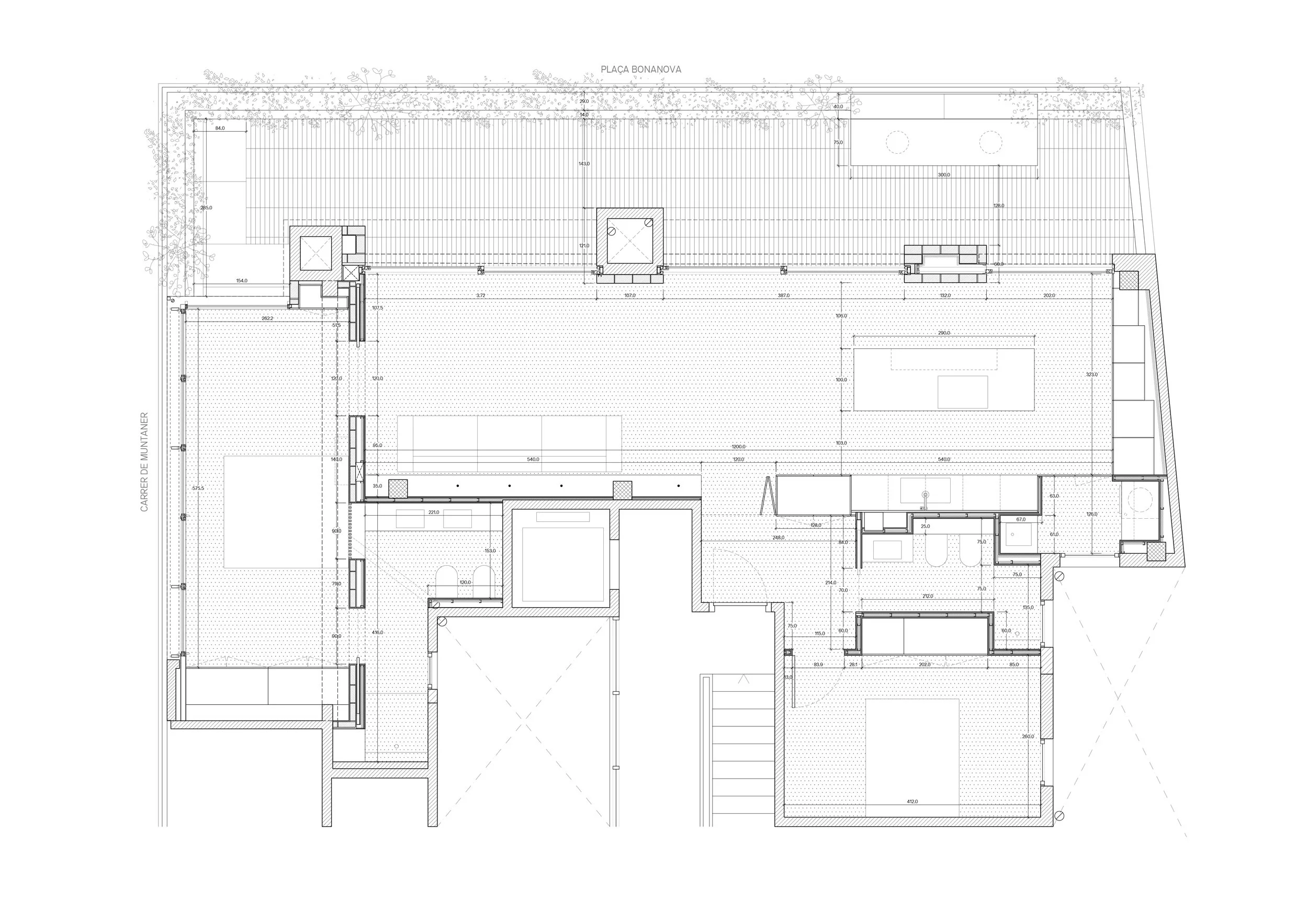
This project is located on the top floor of a 1970s building. Like many penthouses in the city, it is a residual space despite being the most coveted floor. Due to the recessed façade, the dwelling sits above the secondary spaces of the lower floors, featuring narrow bays and numerous obstacles such as drainpipes and ventilation ducts. Our aim is to conceal these imperfections and, through a process of subtraction, reveal the bare structure. Within the original layout, three main spaces are defined.
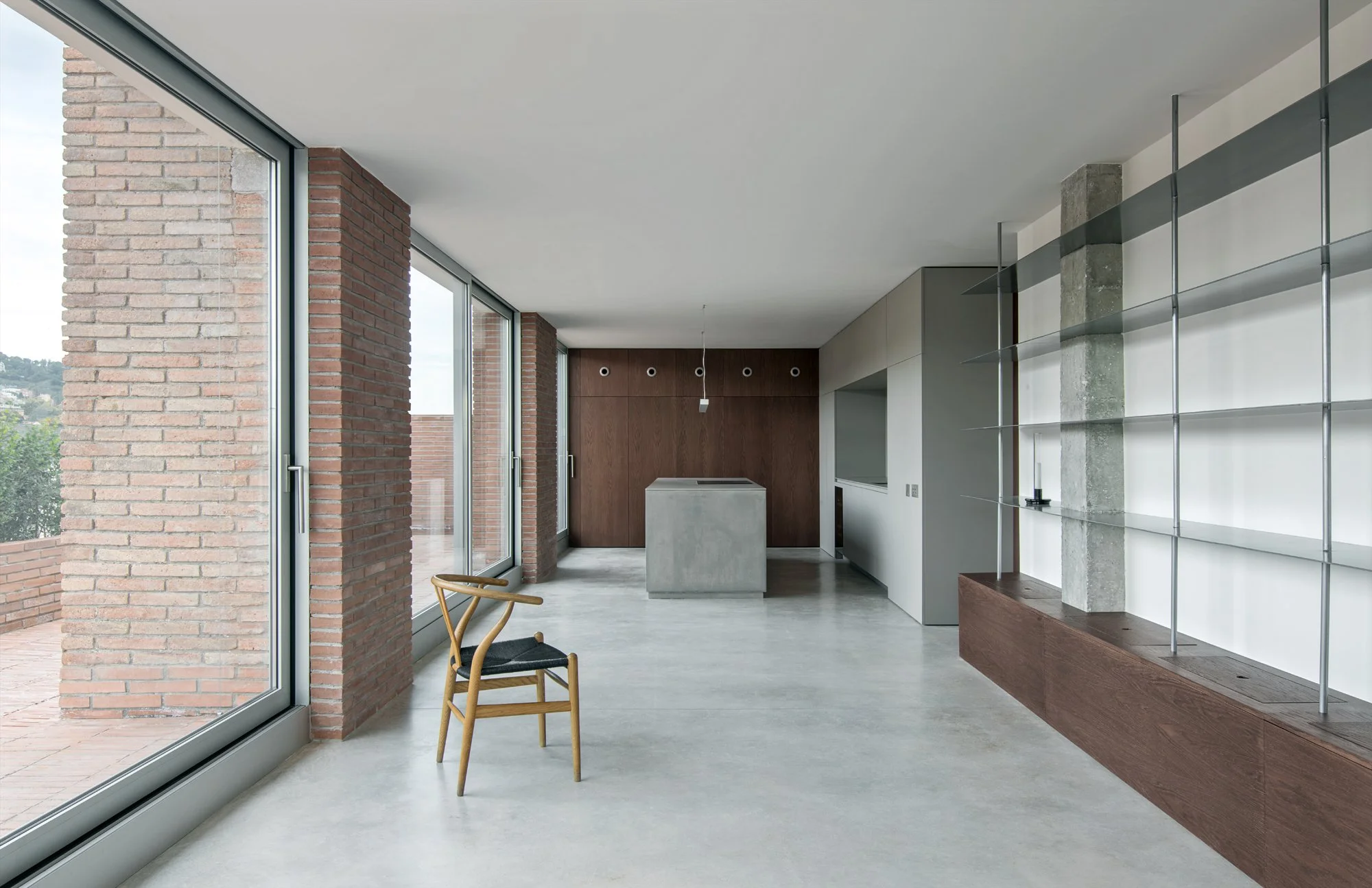
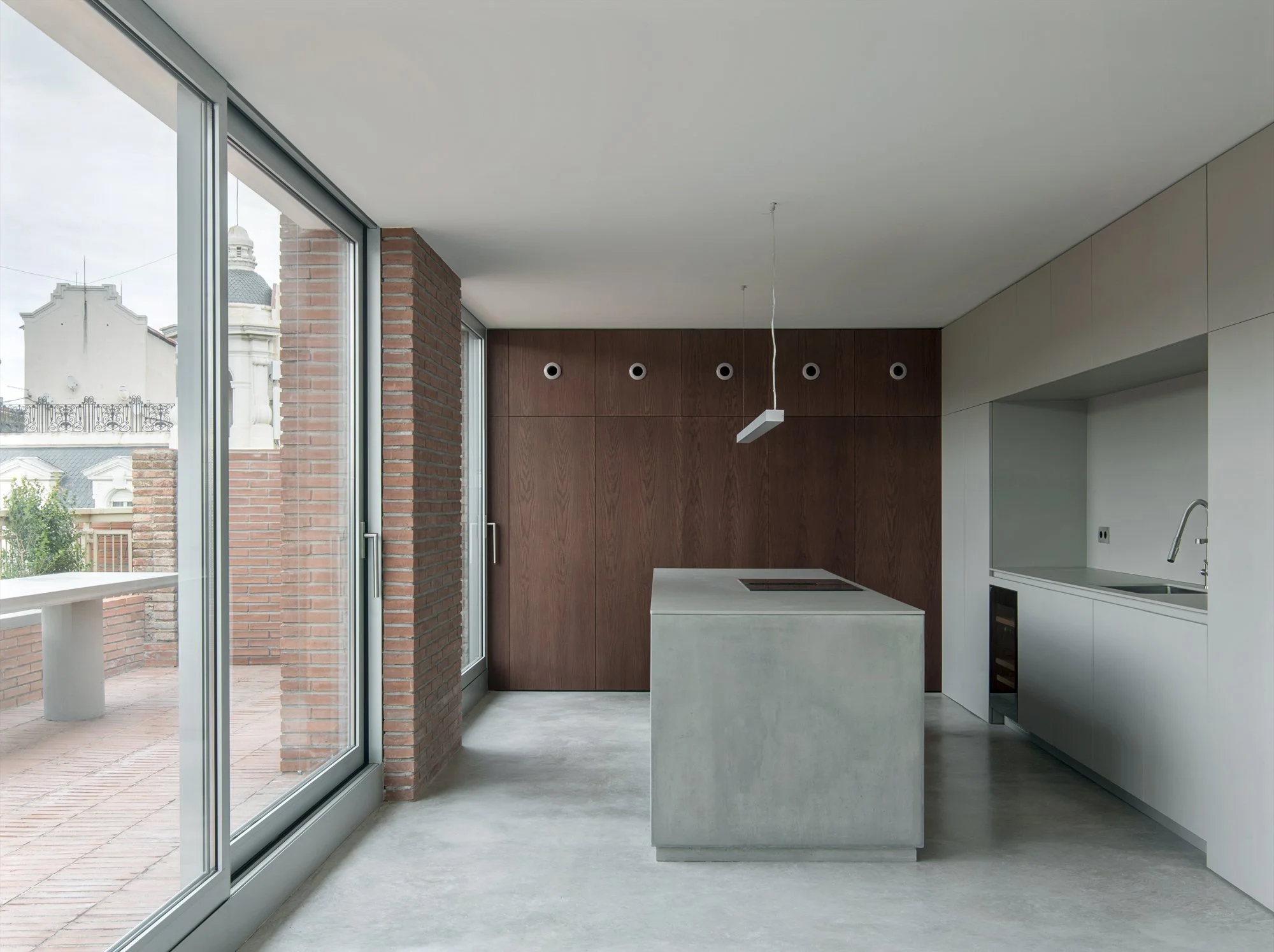
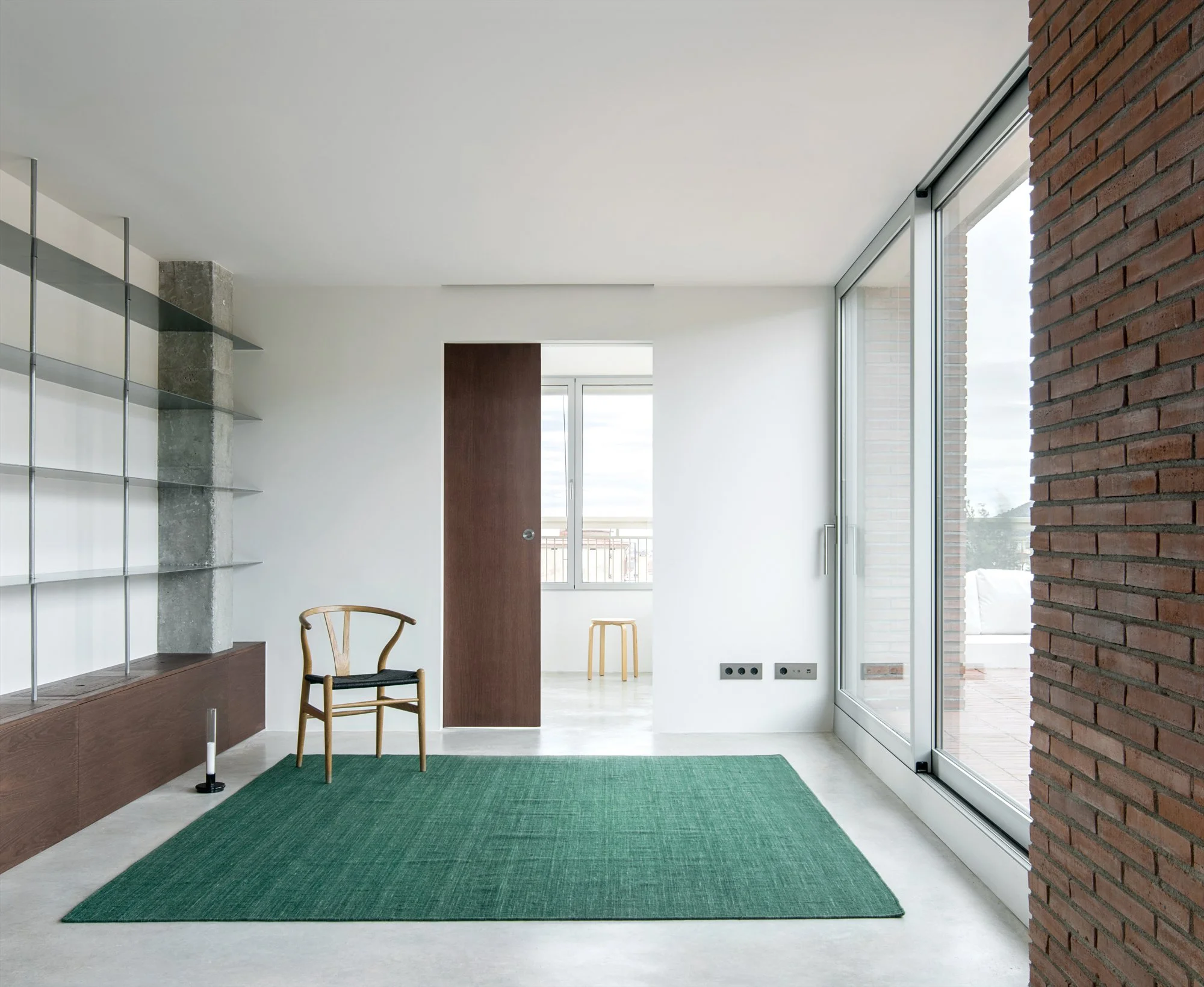
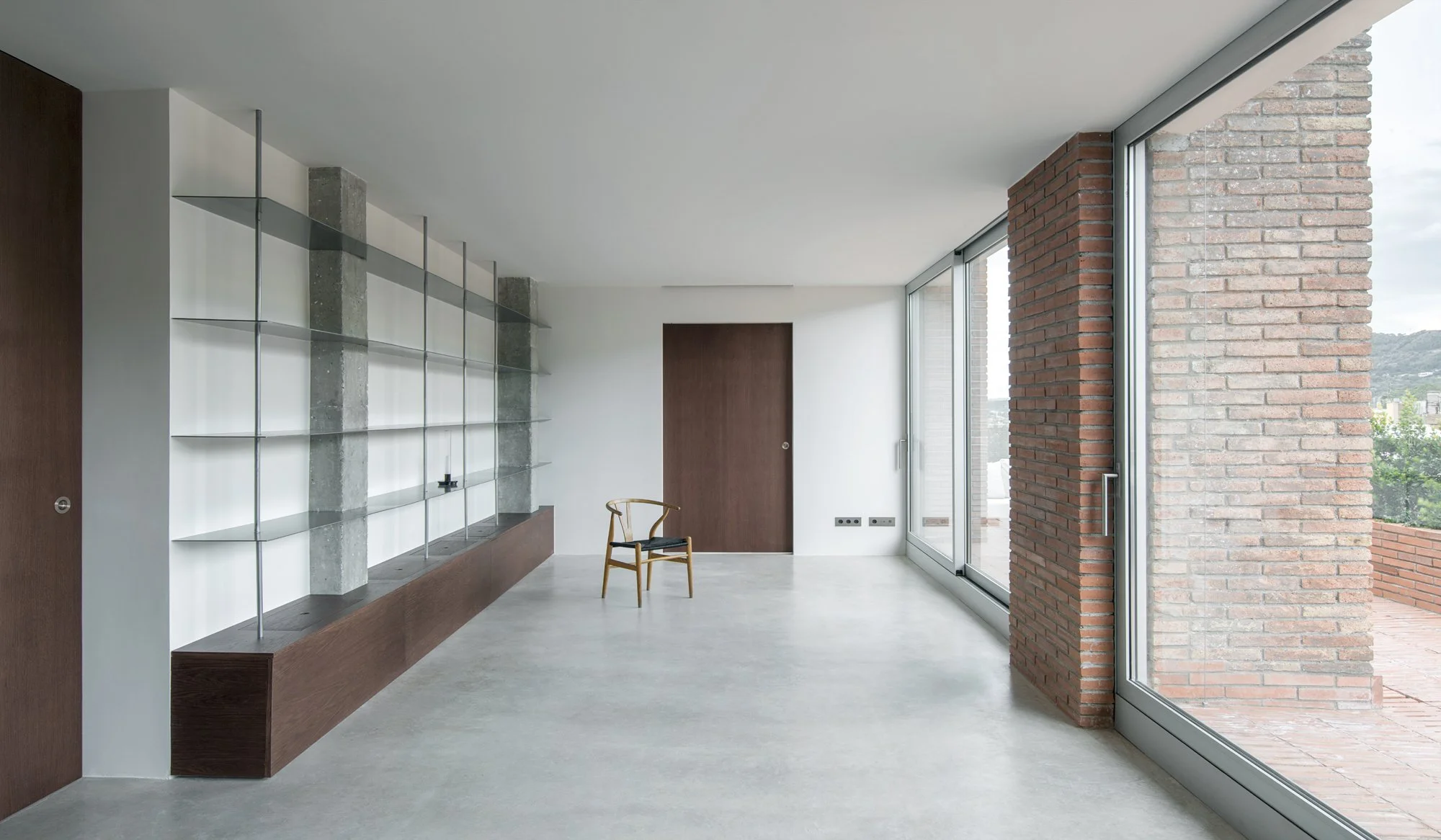
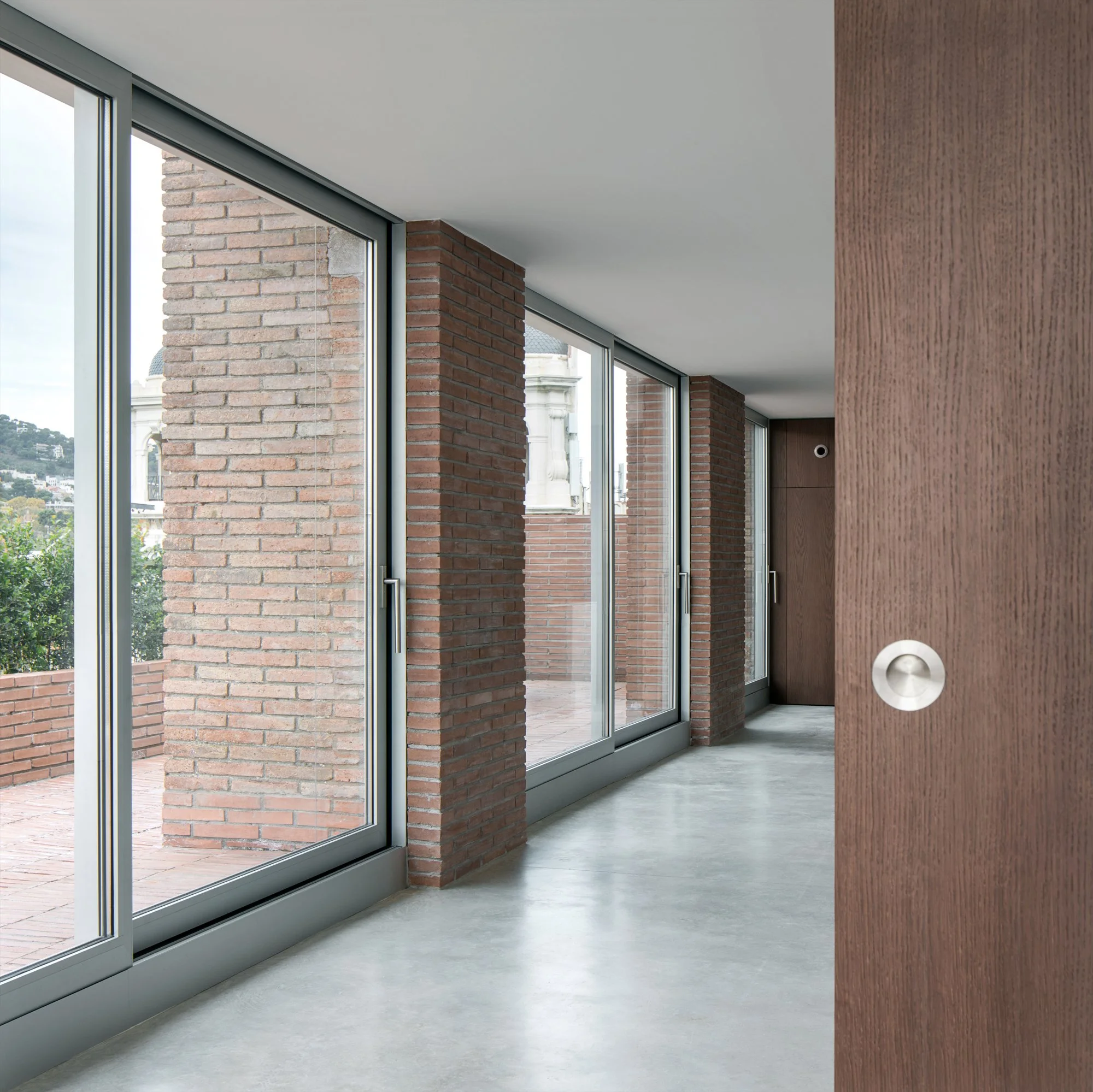
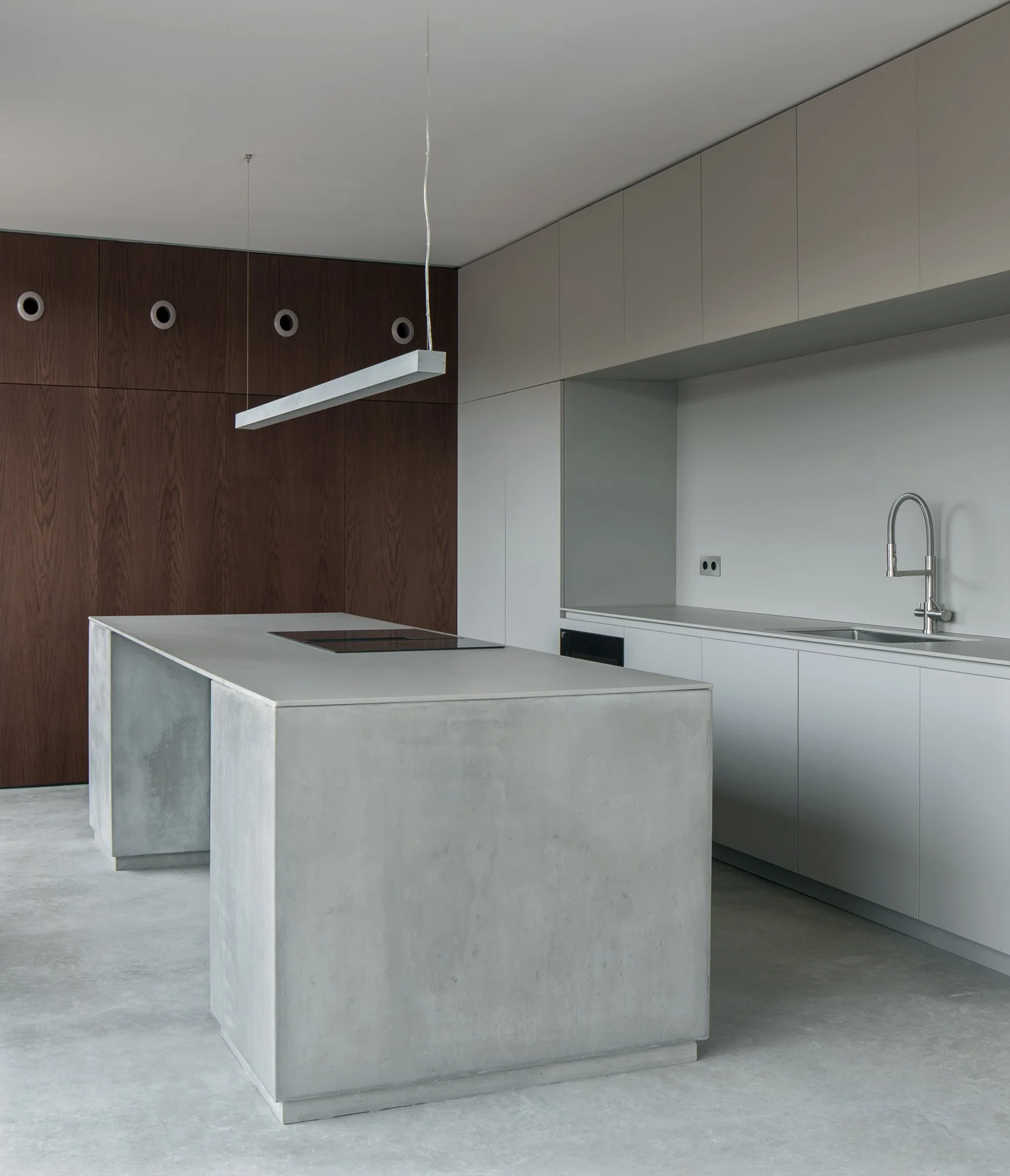
The first space is an open-plan room more akin to a hangar. The atmosphere is created through a contrast of heavy and light elements: thick brick pillars frame the windows, while a concrete altar sits at the center, acting as a kitchen. The rest of the furnishings form the walls.
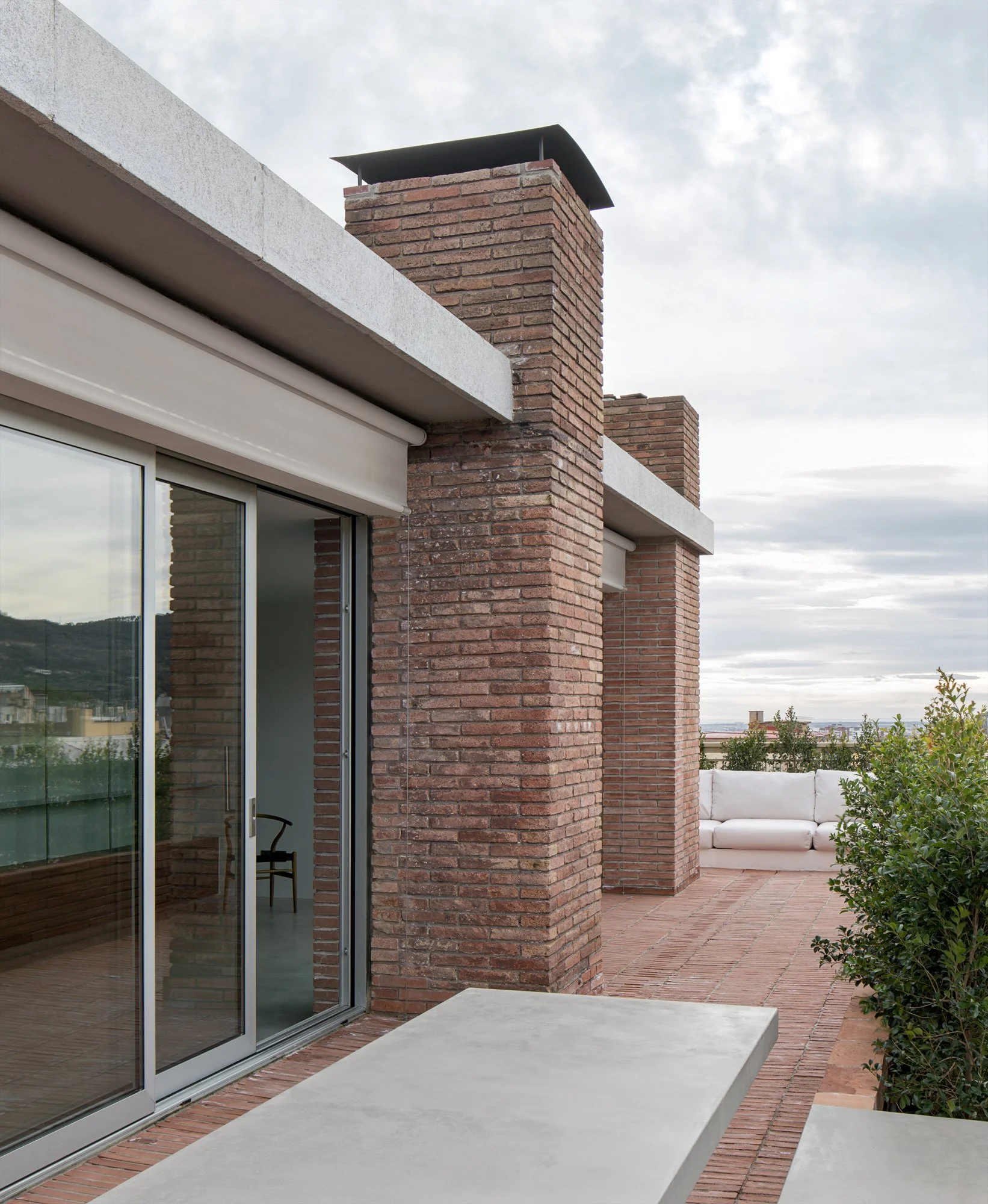
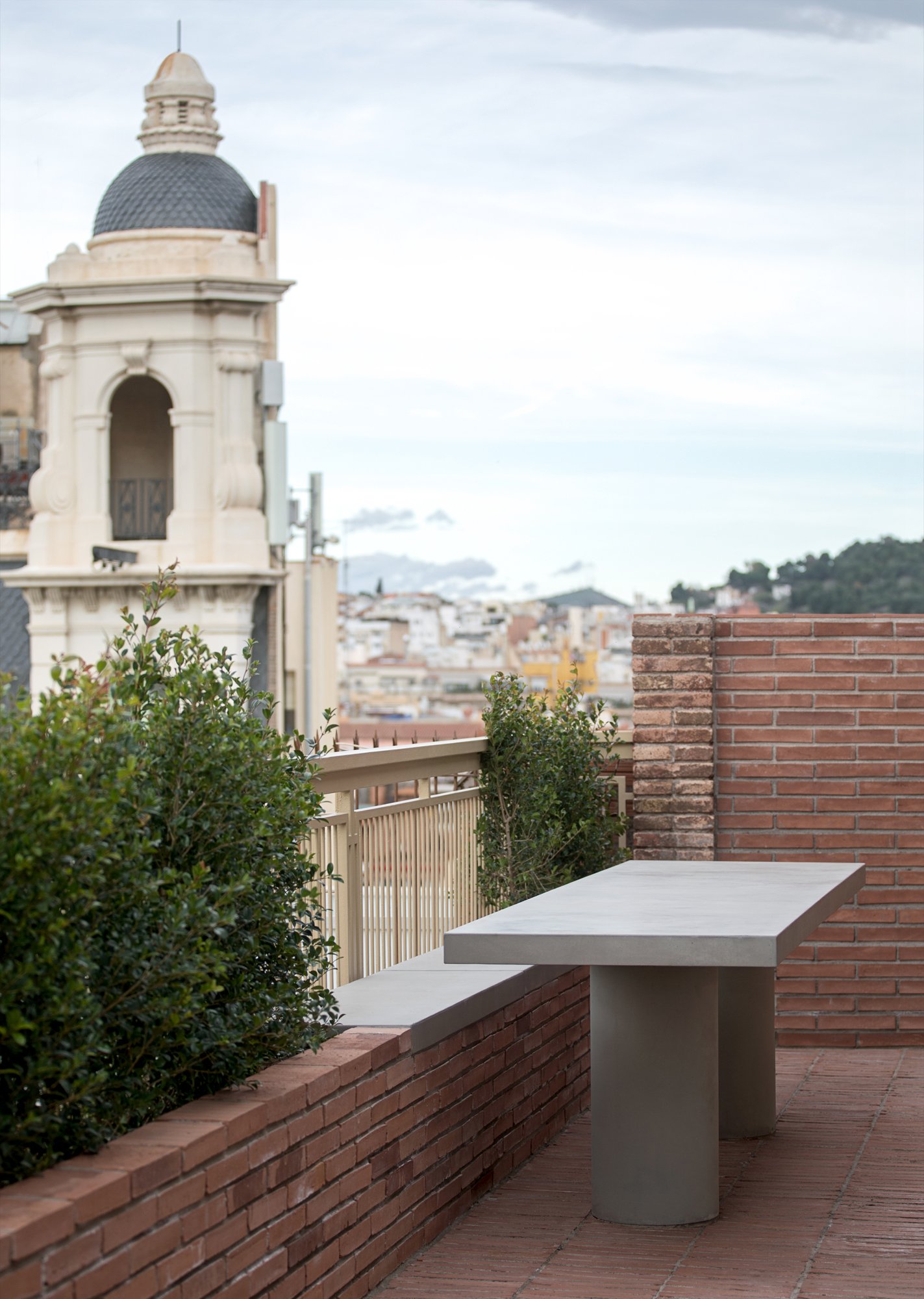
The demolition of an added gallery allows the recovery of a terrace facing Tibidabo. Its elongated shape and brick materiality are inspired by cities where penthouses are part of the urban landscape, such as New York’s setbacks or Milan’s green rooftops. The furnishings are integrated into the architecture: a low planter wall wraps around the terrace, doubling as a sofa or the bench of a concrete table.
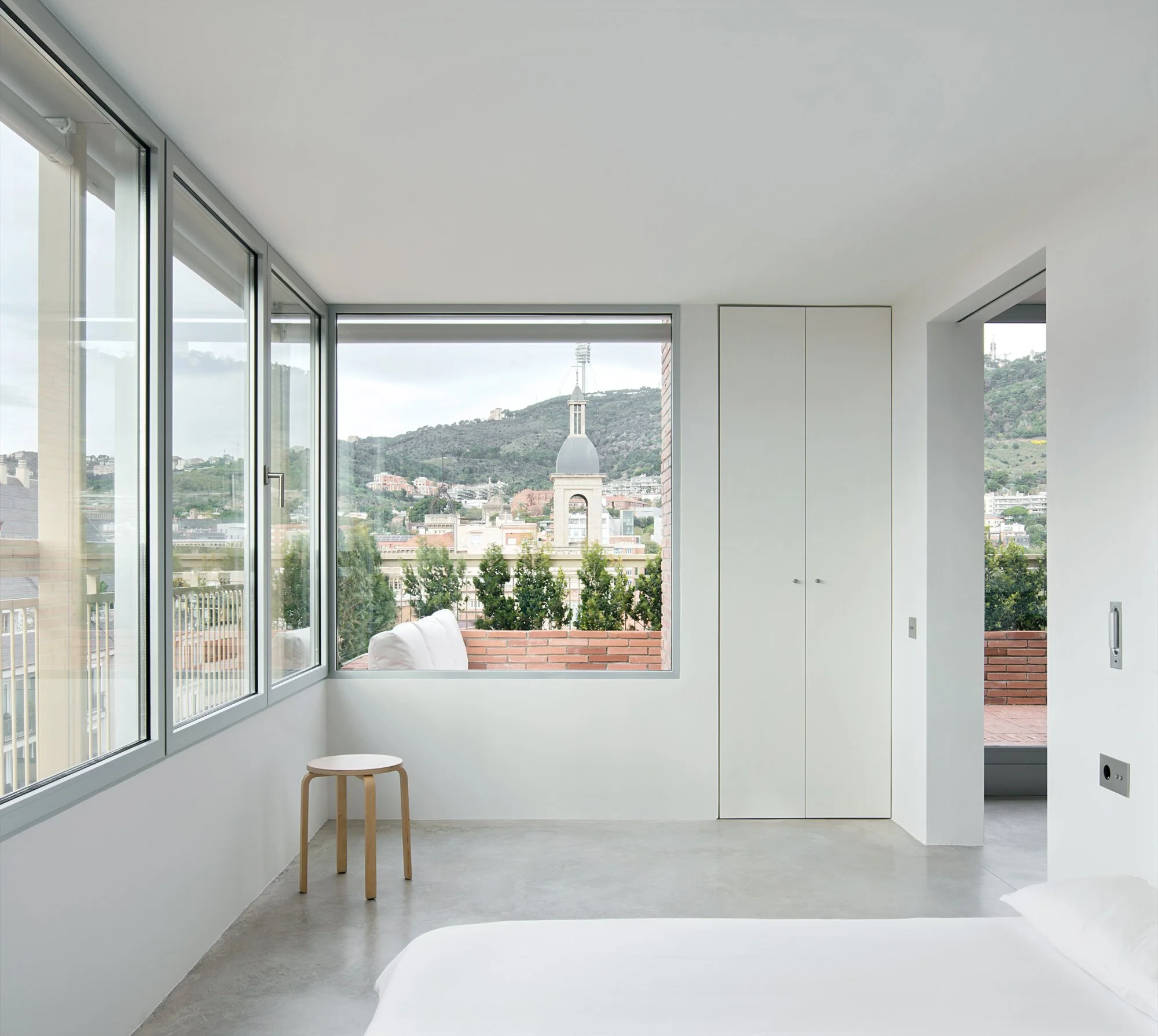
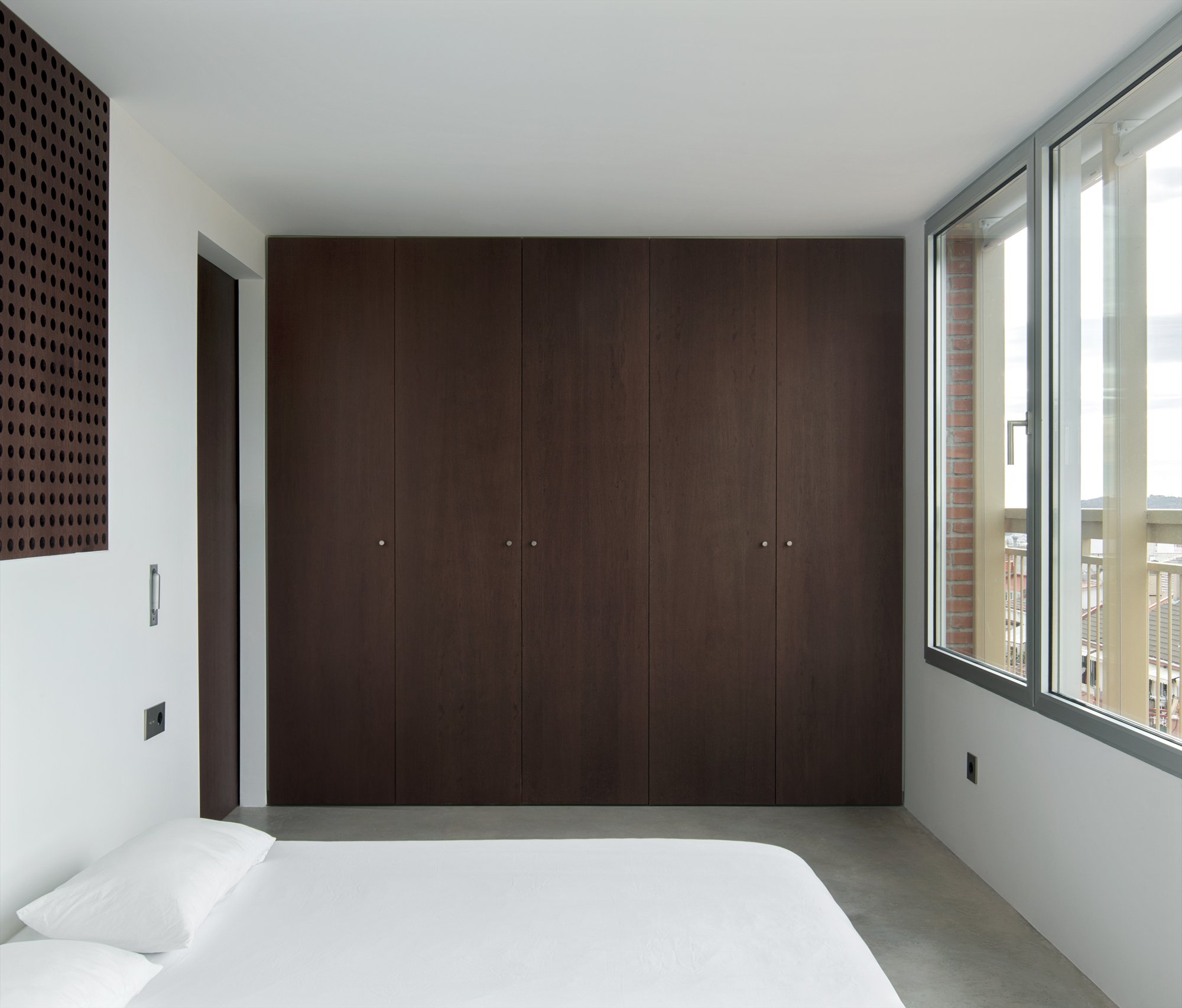
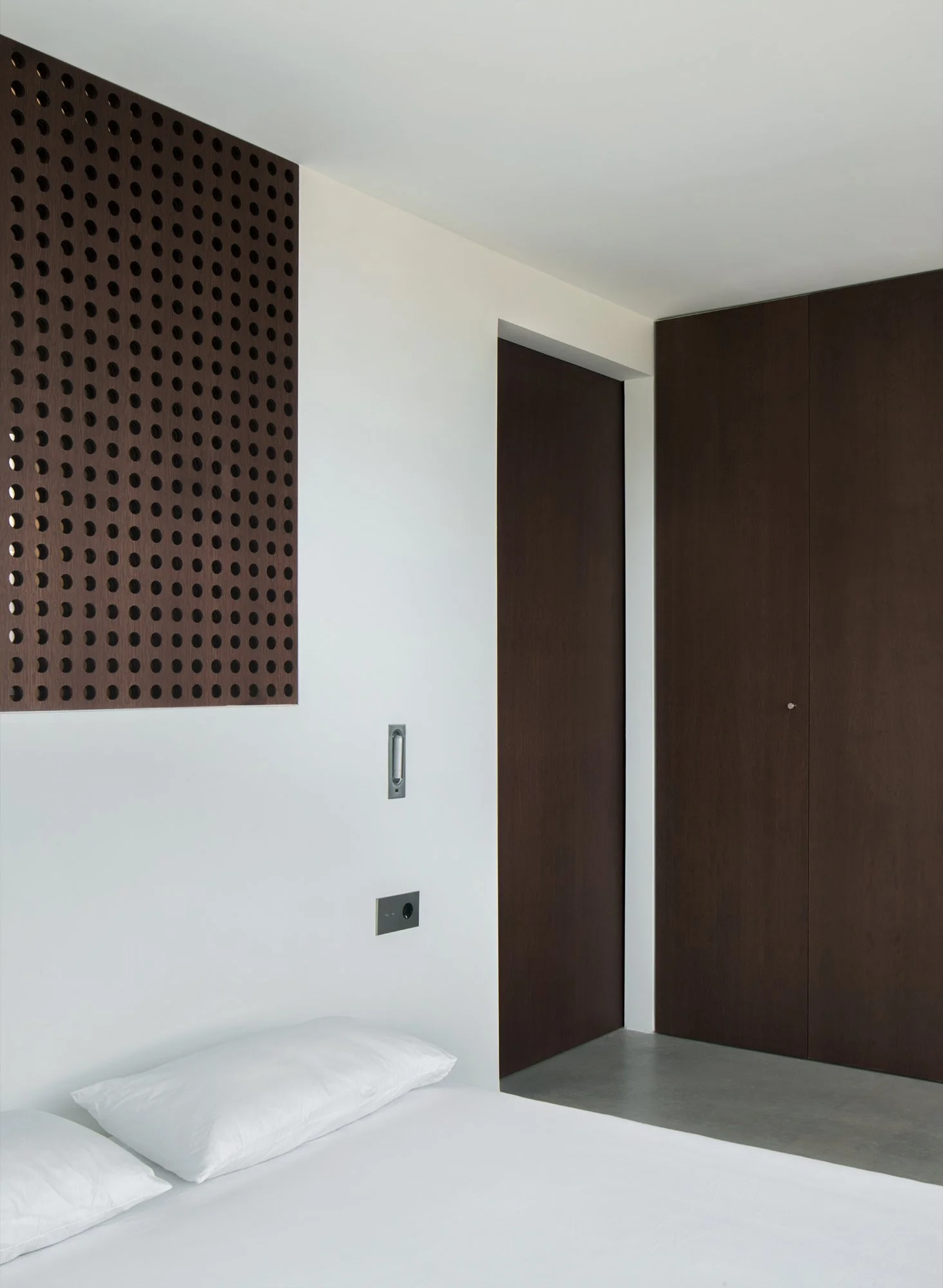
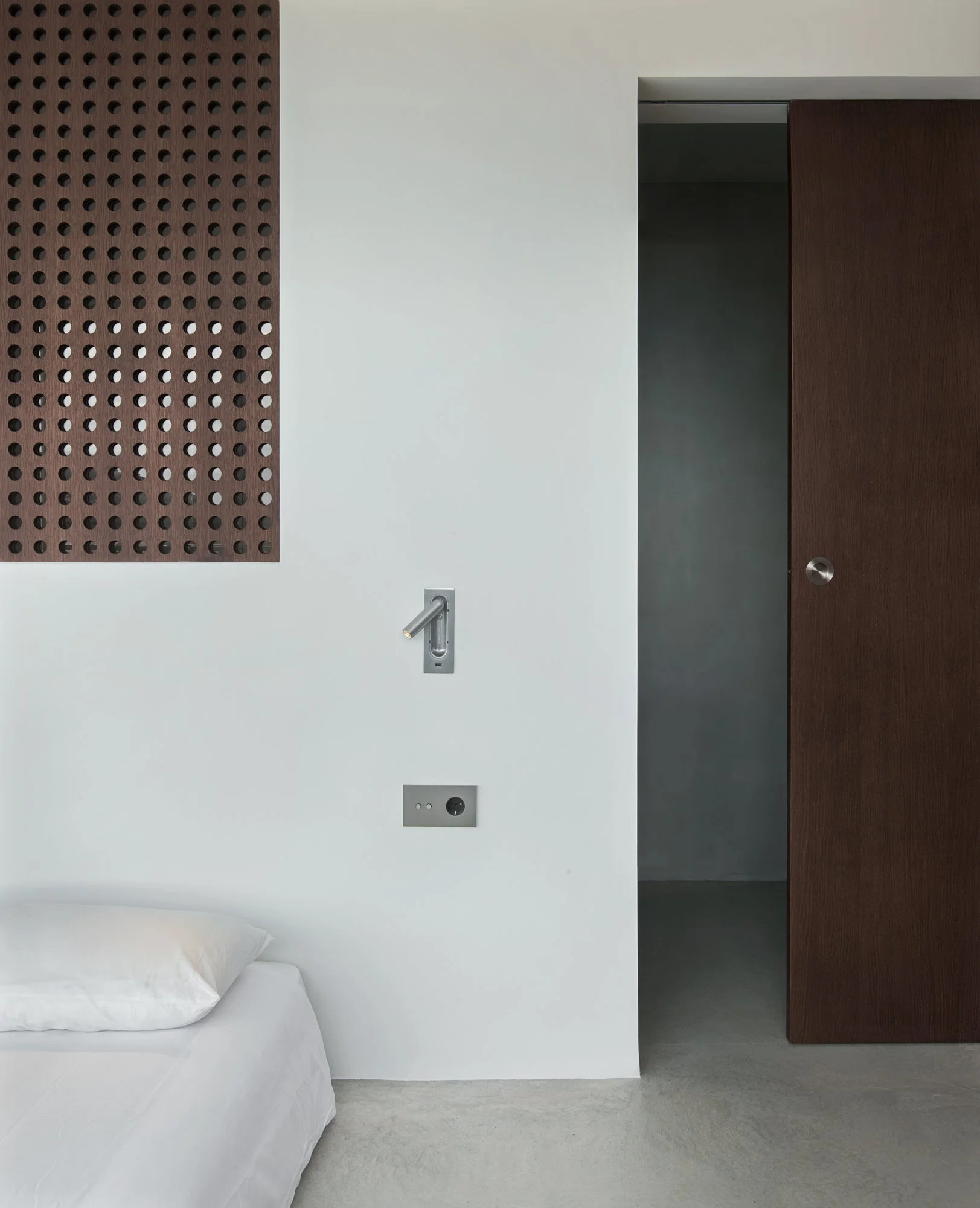
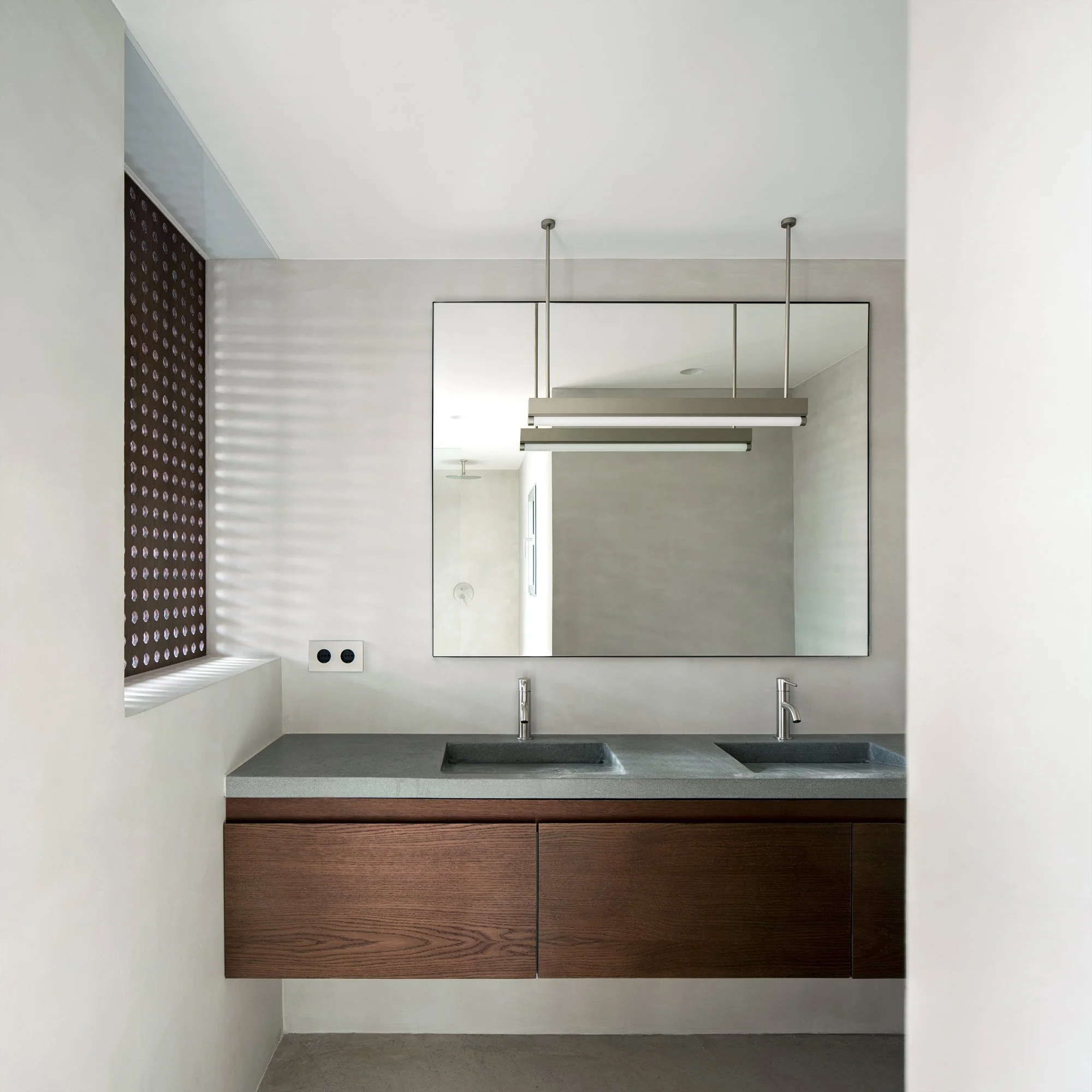
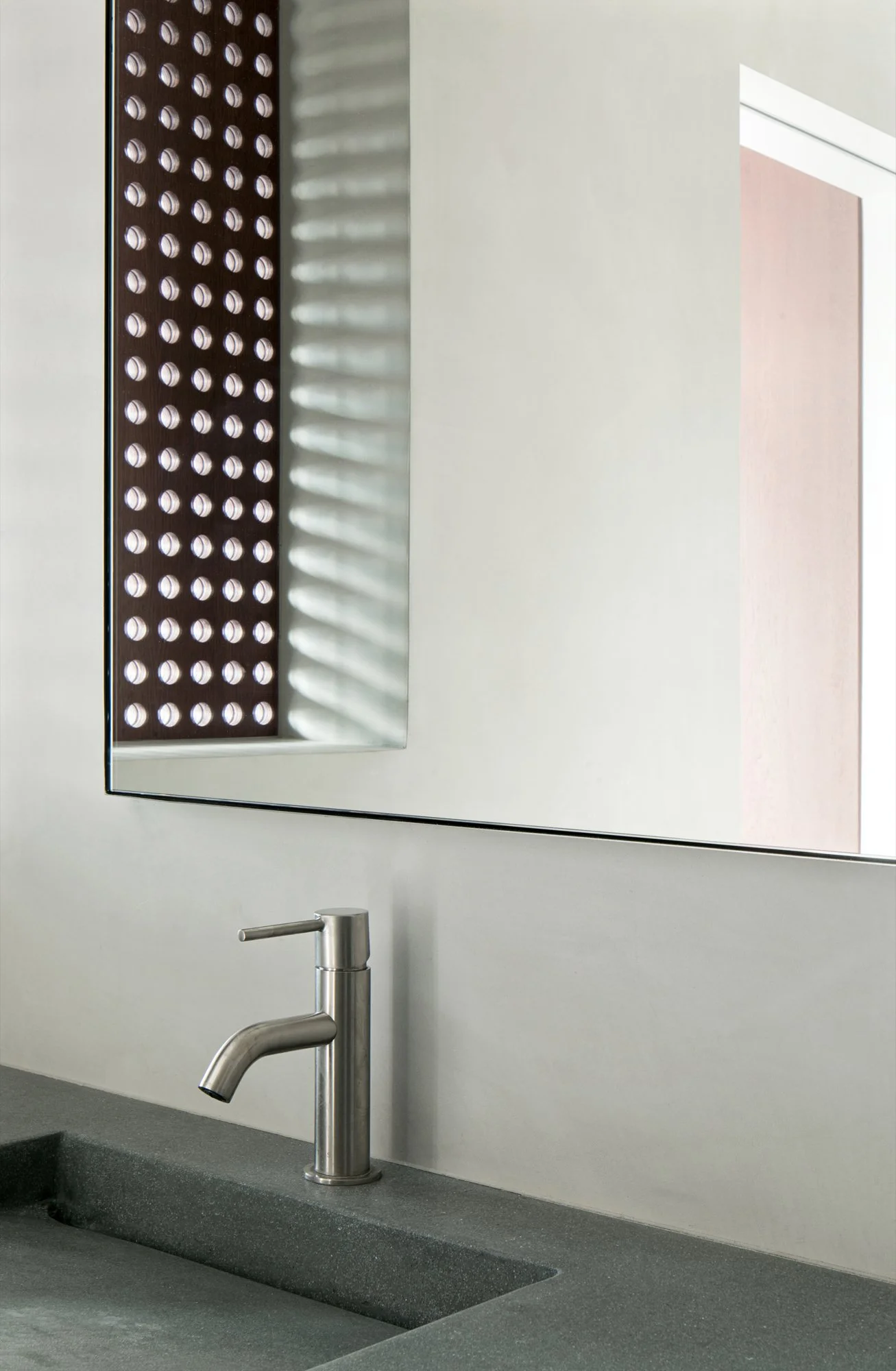
The third space is the main bedroom: a gallery overlooking El Prat. The façade is made of metal joinery and a lightweight sunshade. The bathroom, connected yet without direct views, is lit through a lattice that mimics the privacy of a confessional.
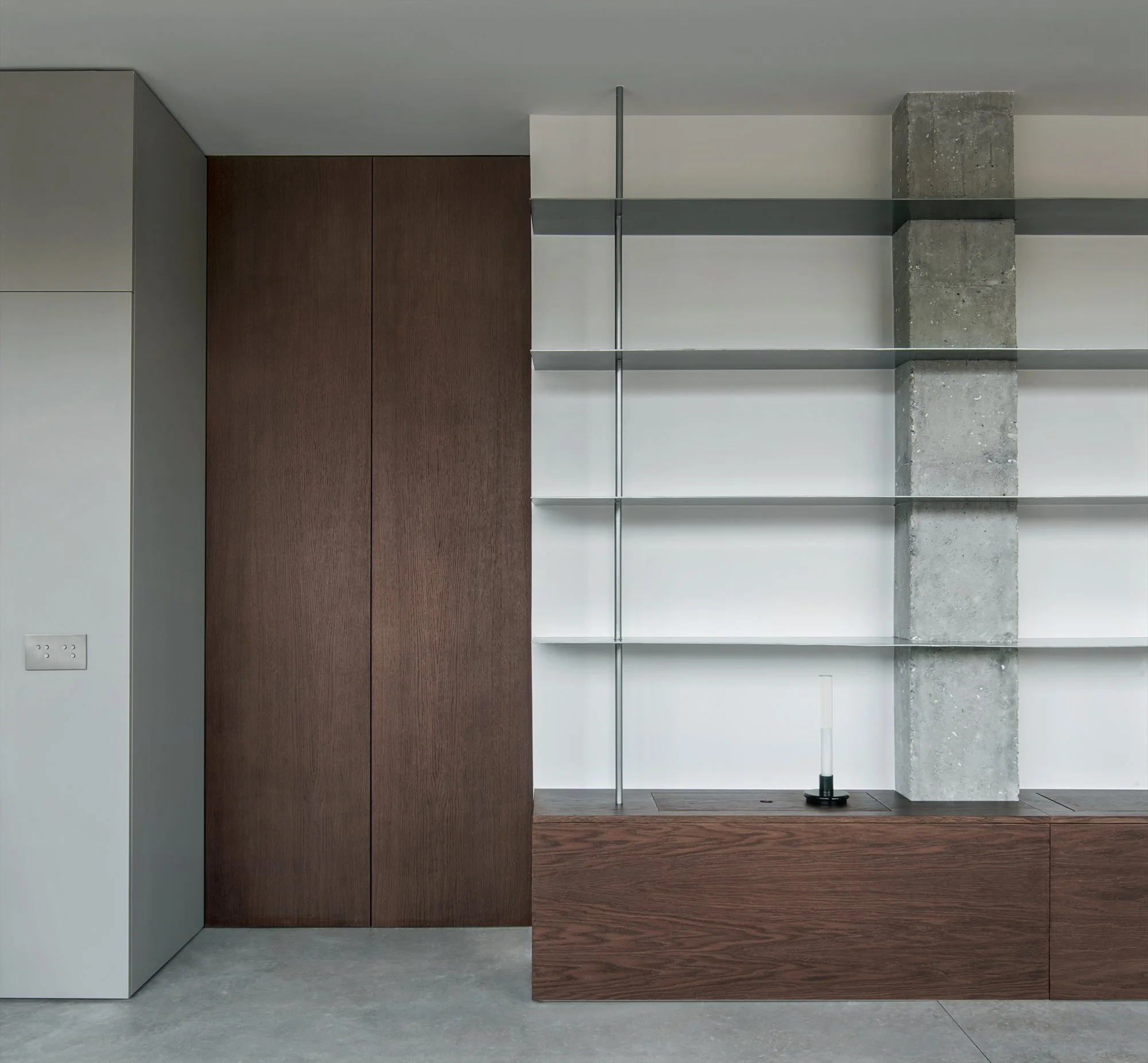
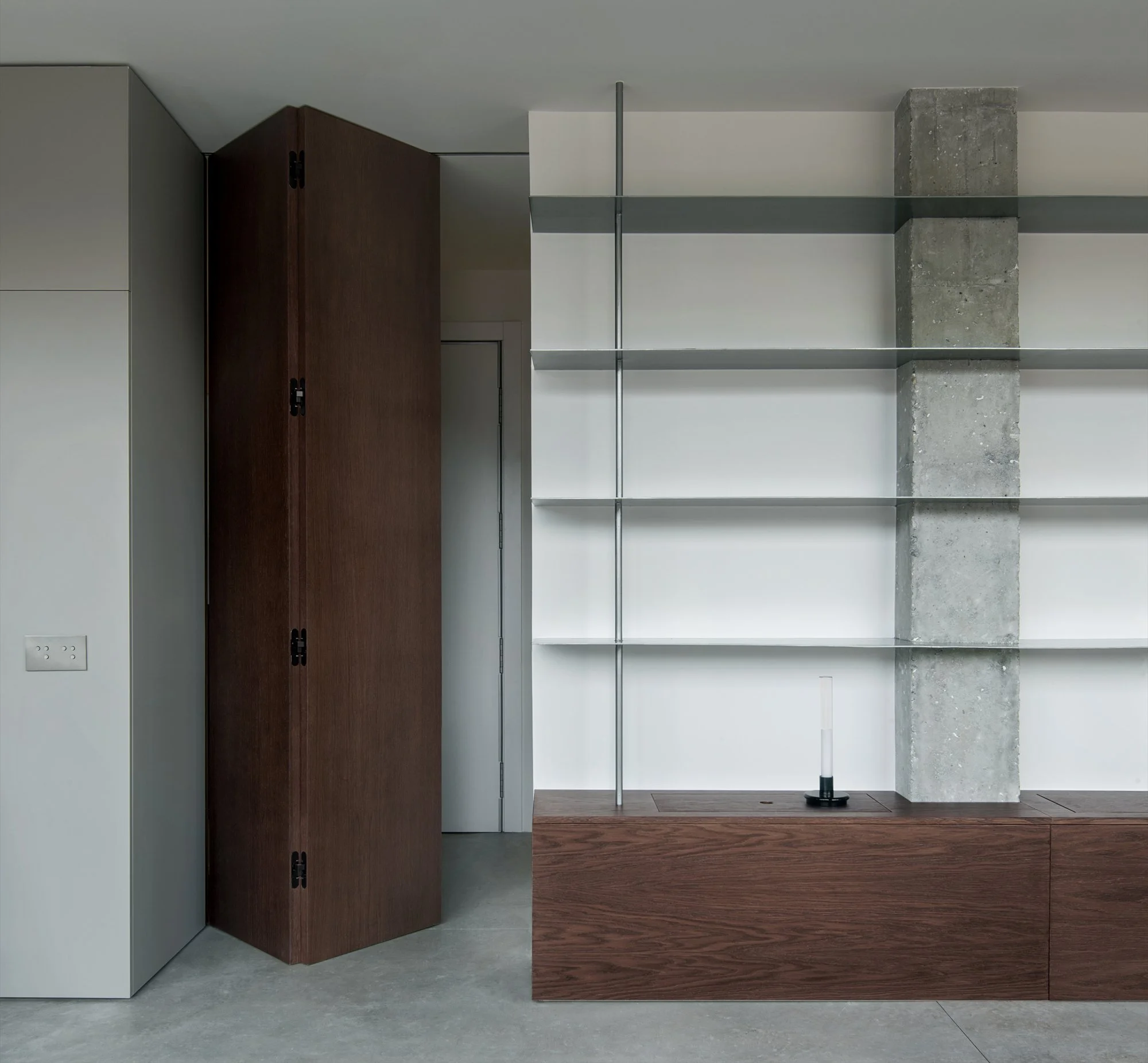
The use of concrete and brick serves to blur the line between existing and added elements, enhancing the feeling of a space carved into the building. Everything that is not stereotomic—windows, furniture—is resolved in dark wood and steel joinery. Text description by the architects.