Location: Jakarta, Indonesia Year: 2025 Architects: instrument Photography by: Yoko Xie
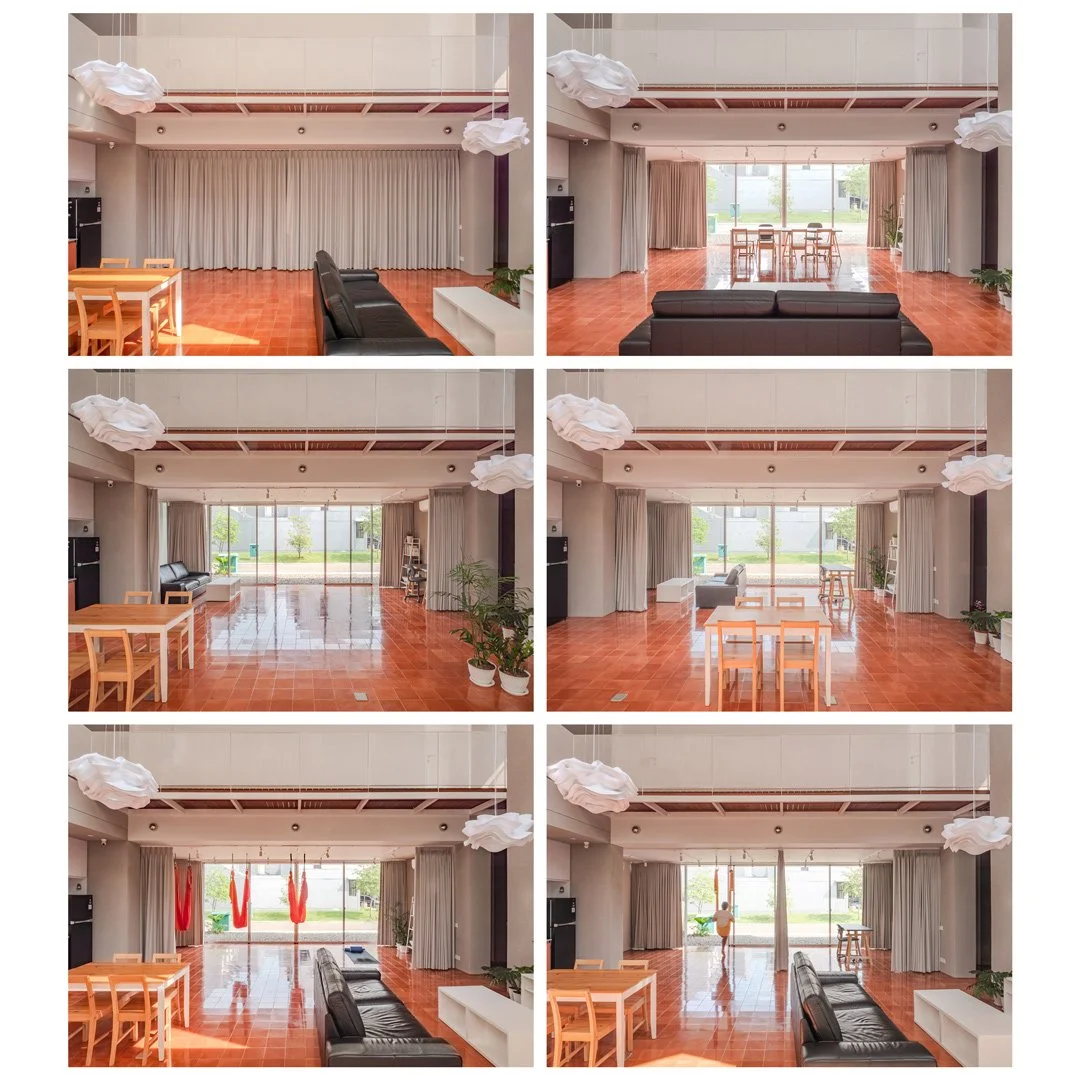
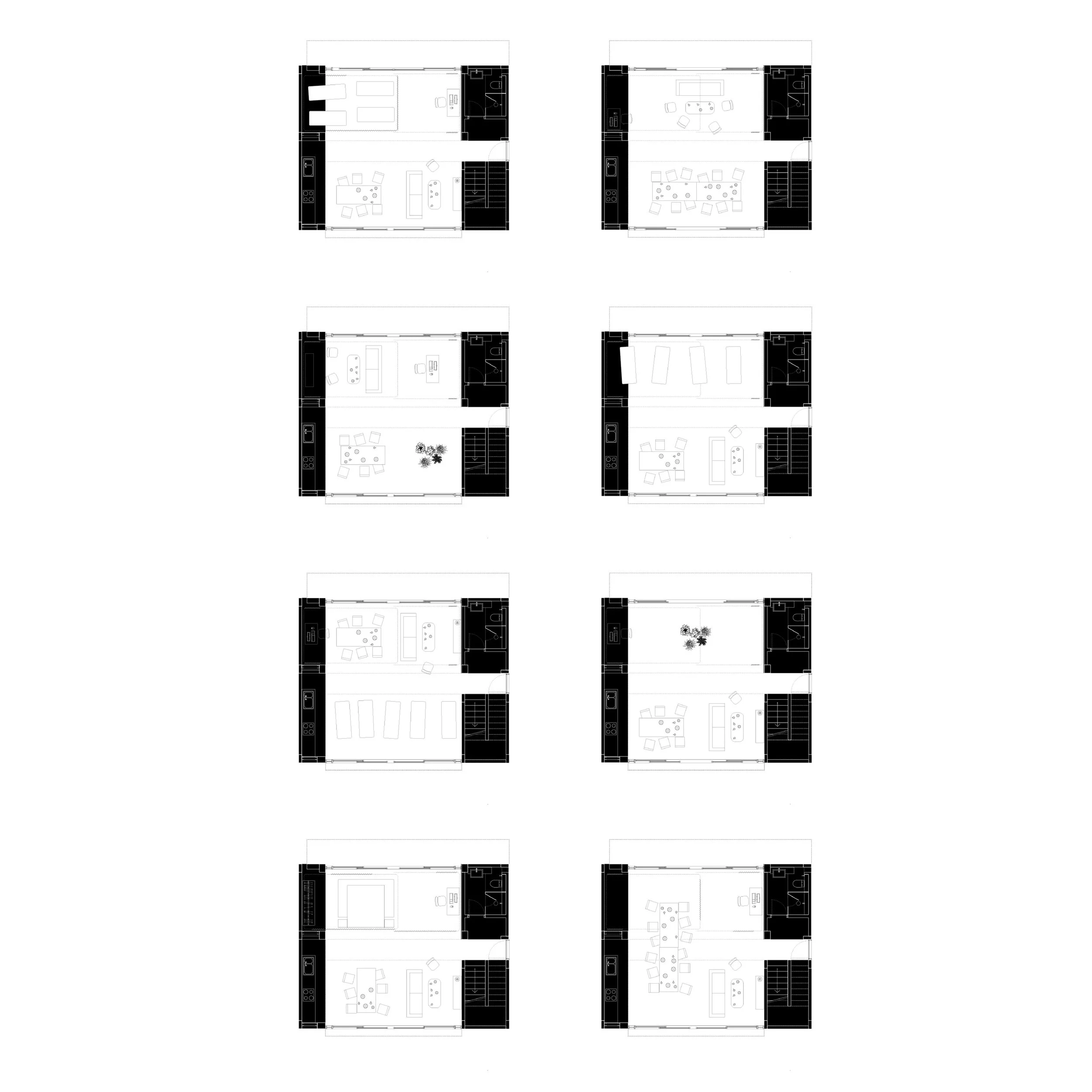
Located in a residential neighborhood, rooms without a use emphasize freedom of use rather than containing it as a response to the diverse needs of the client, such as an office, yoga studio, guest room, and other domestic programs. The project embraces multiple configurations of uses instead of defining a specific function.
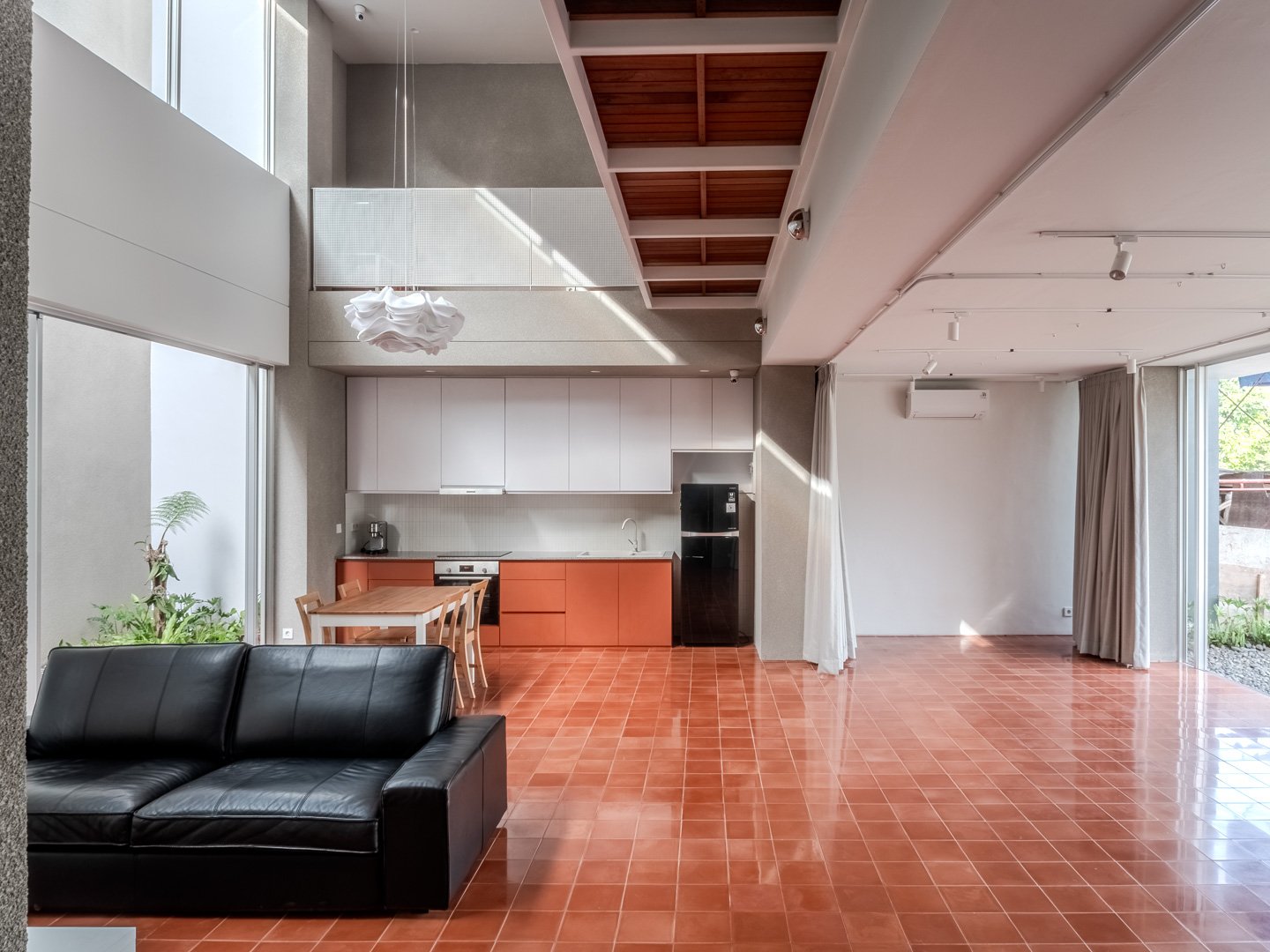
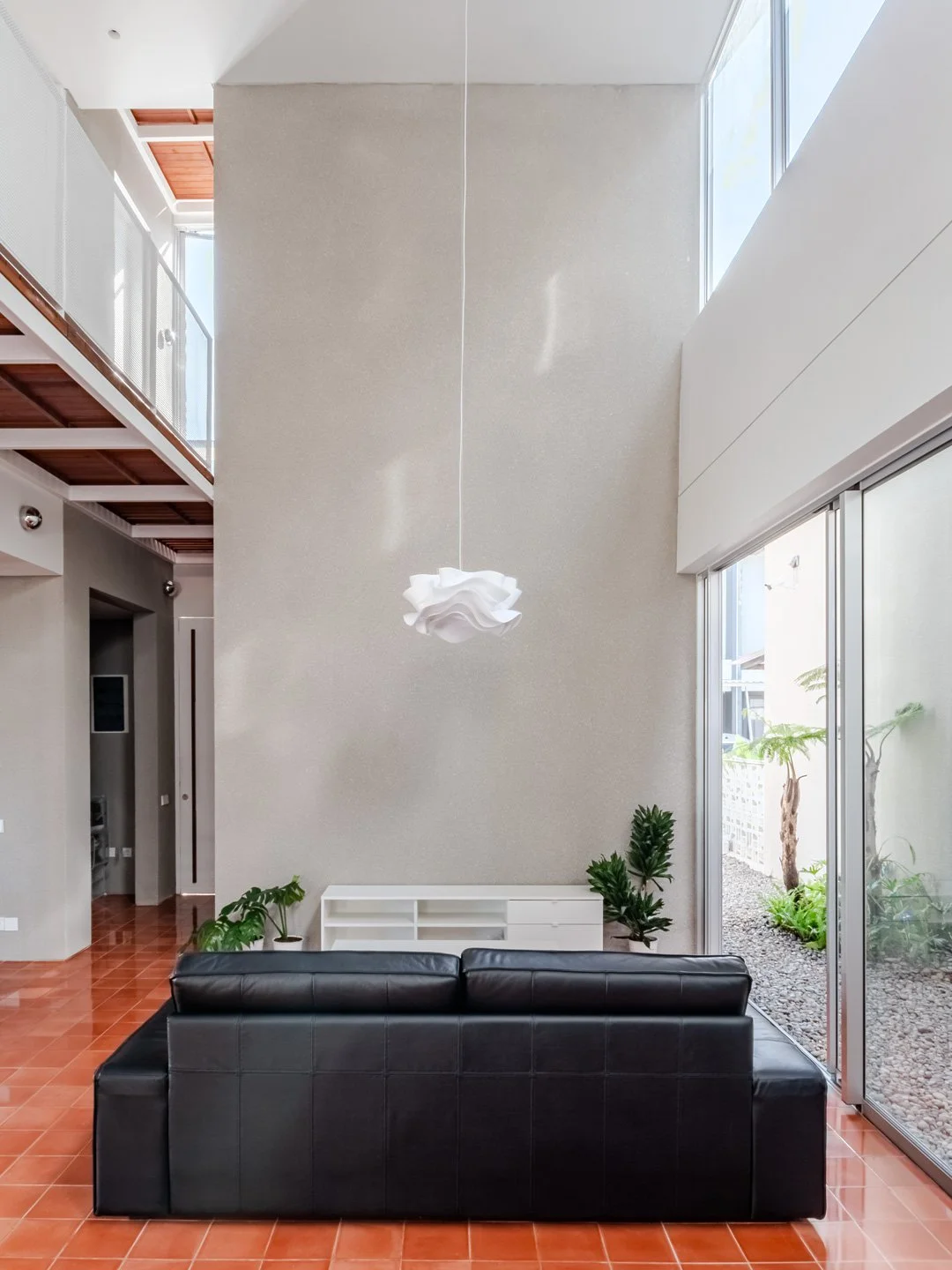
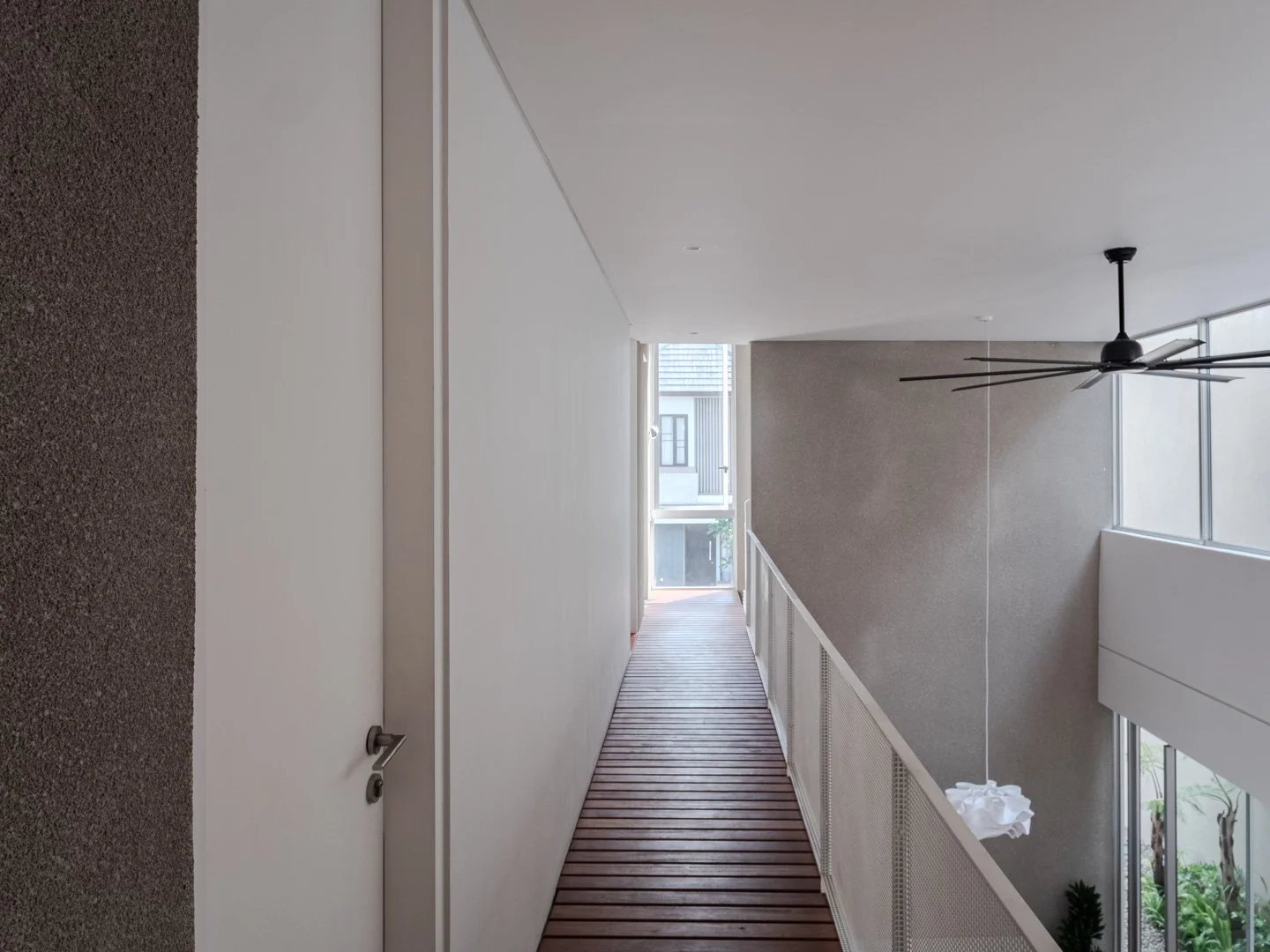
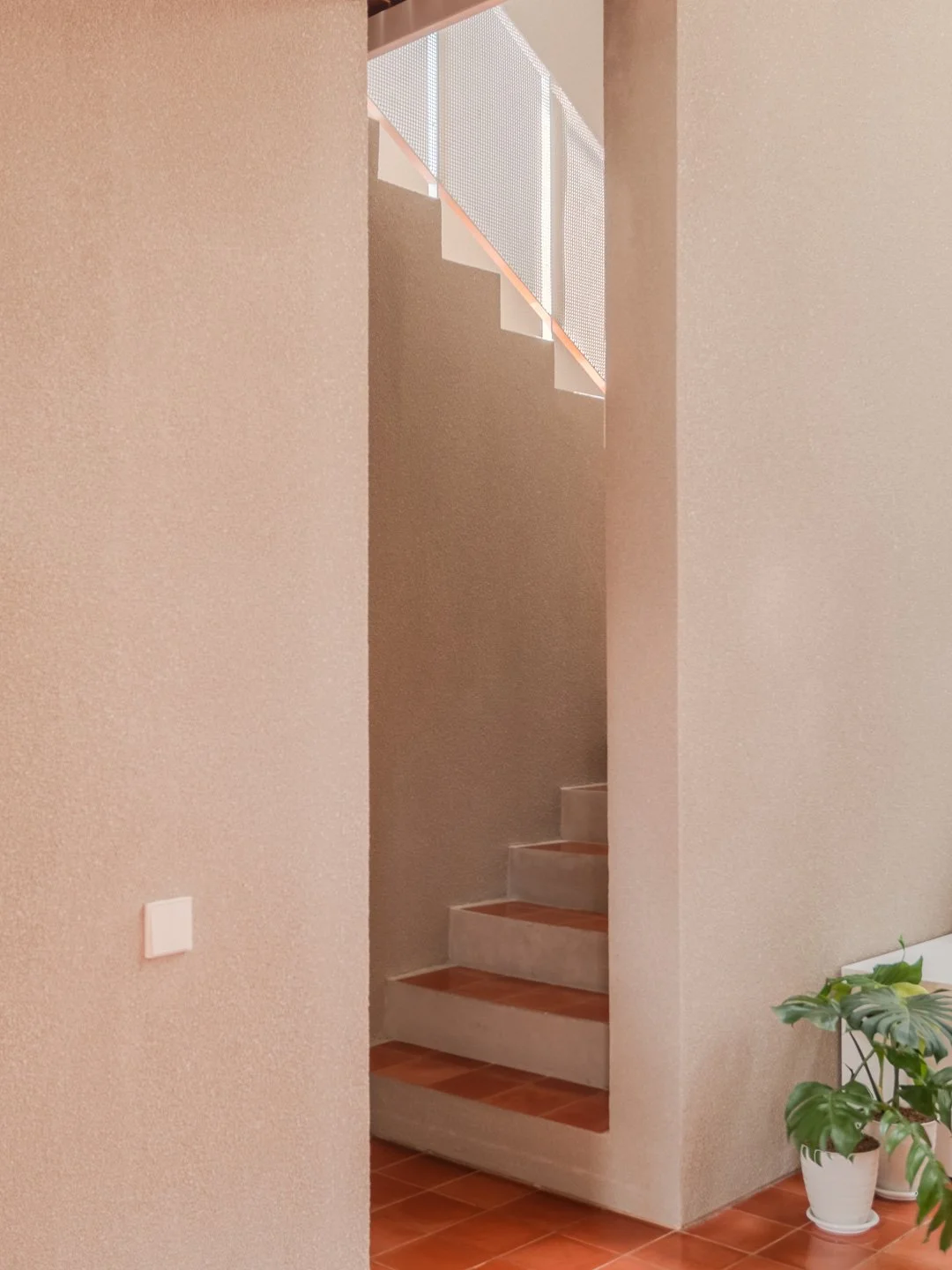
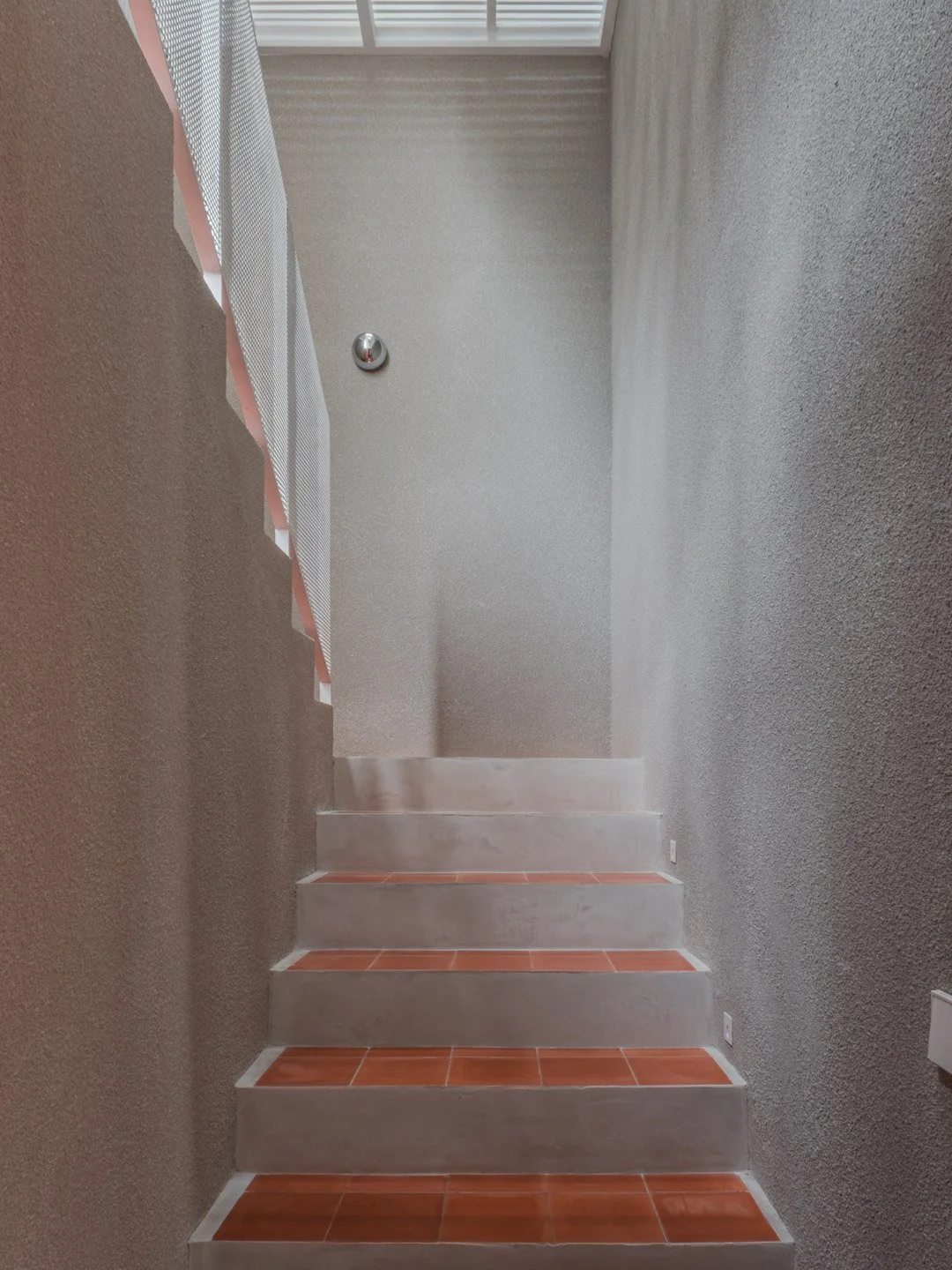
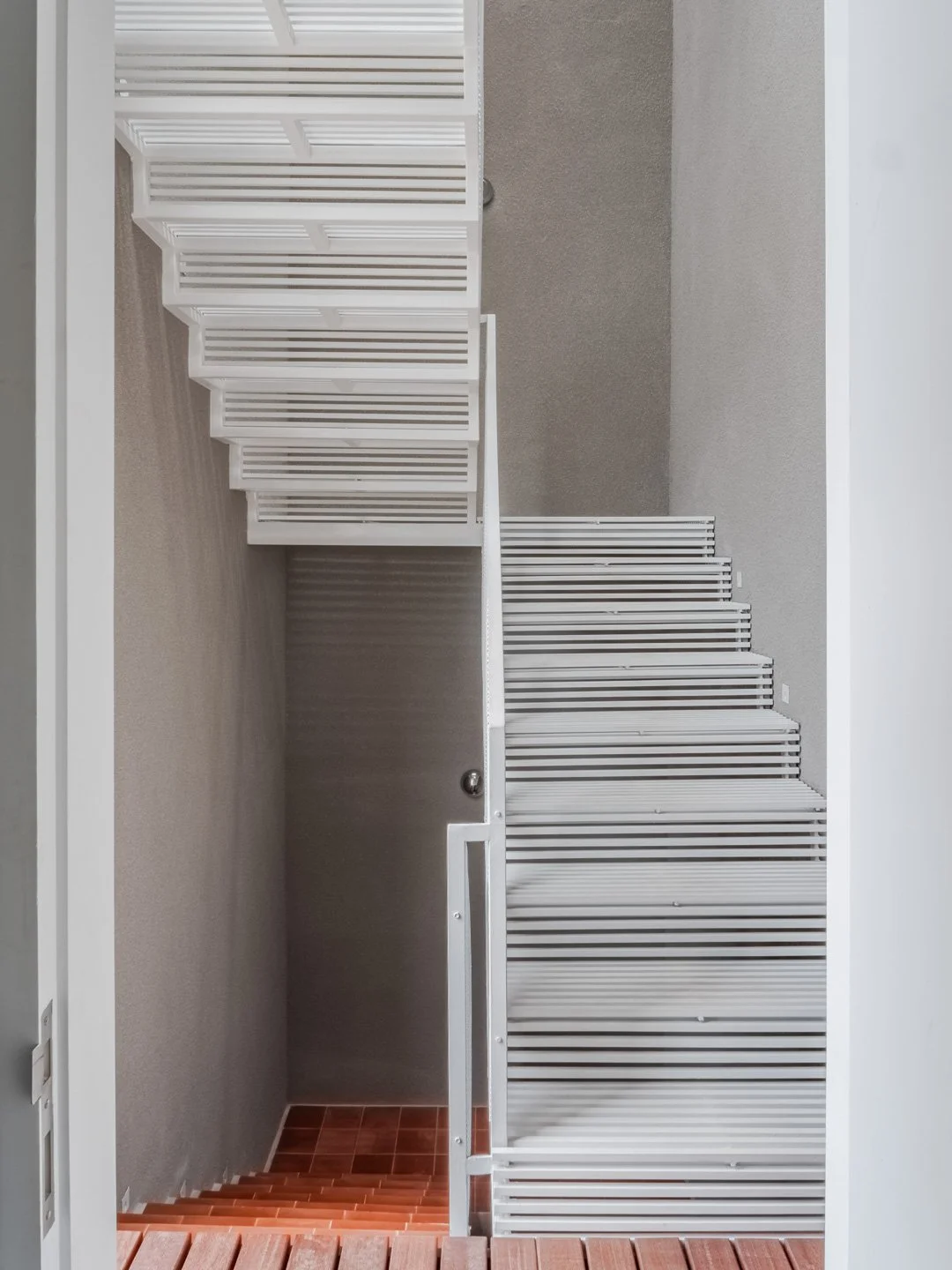
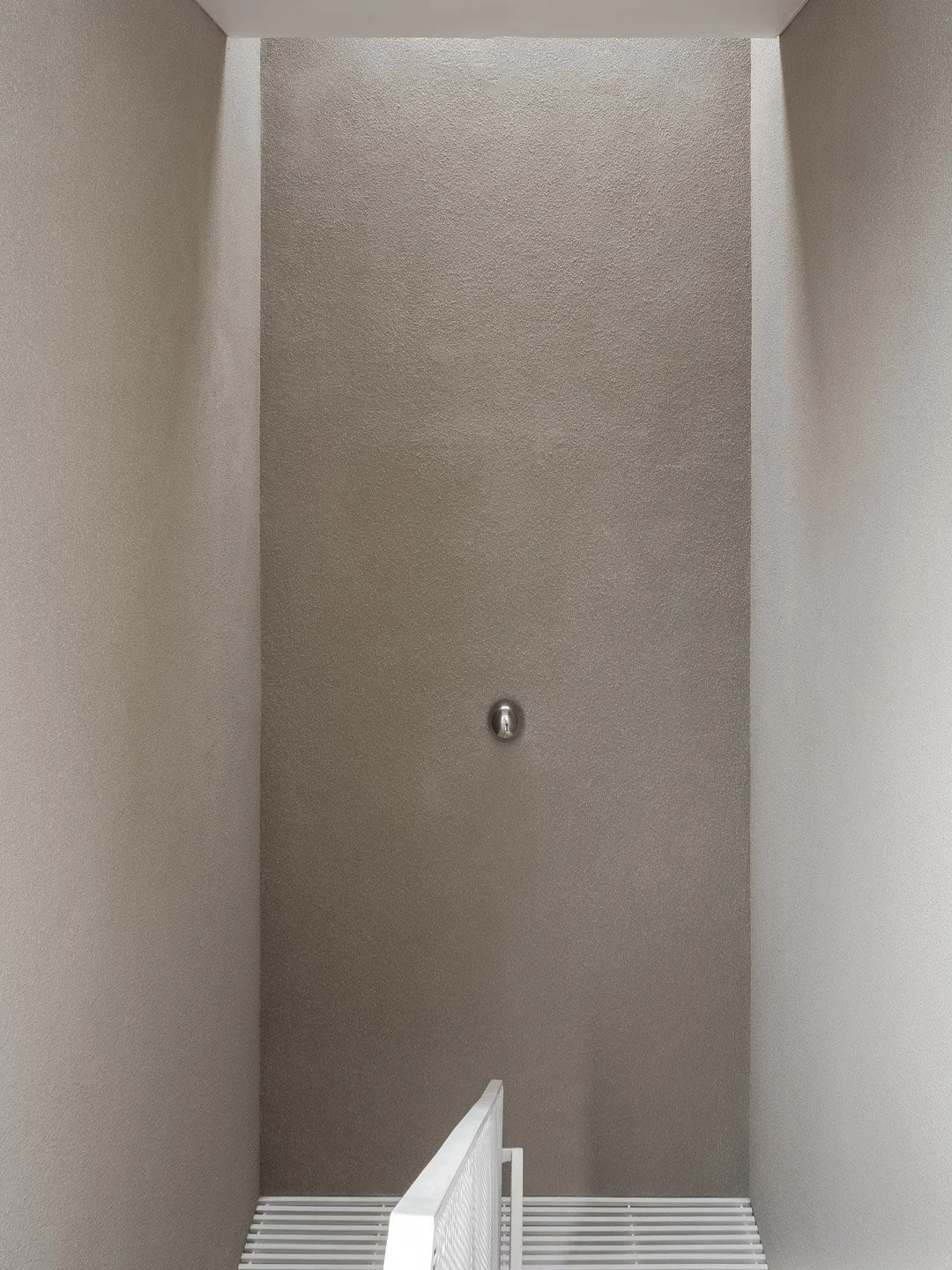
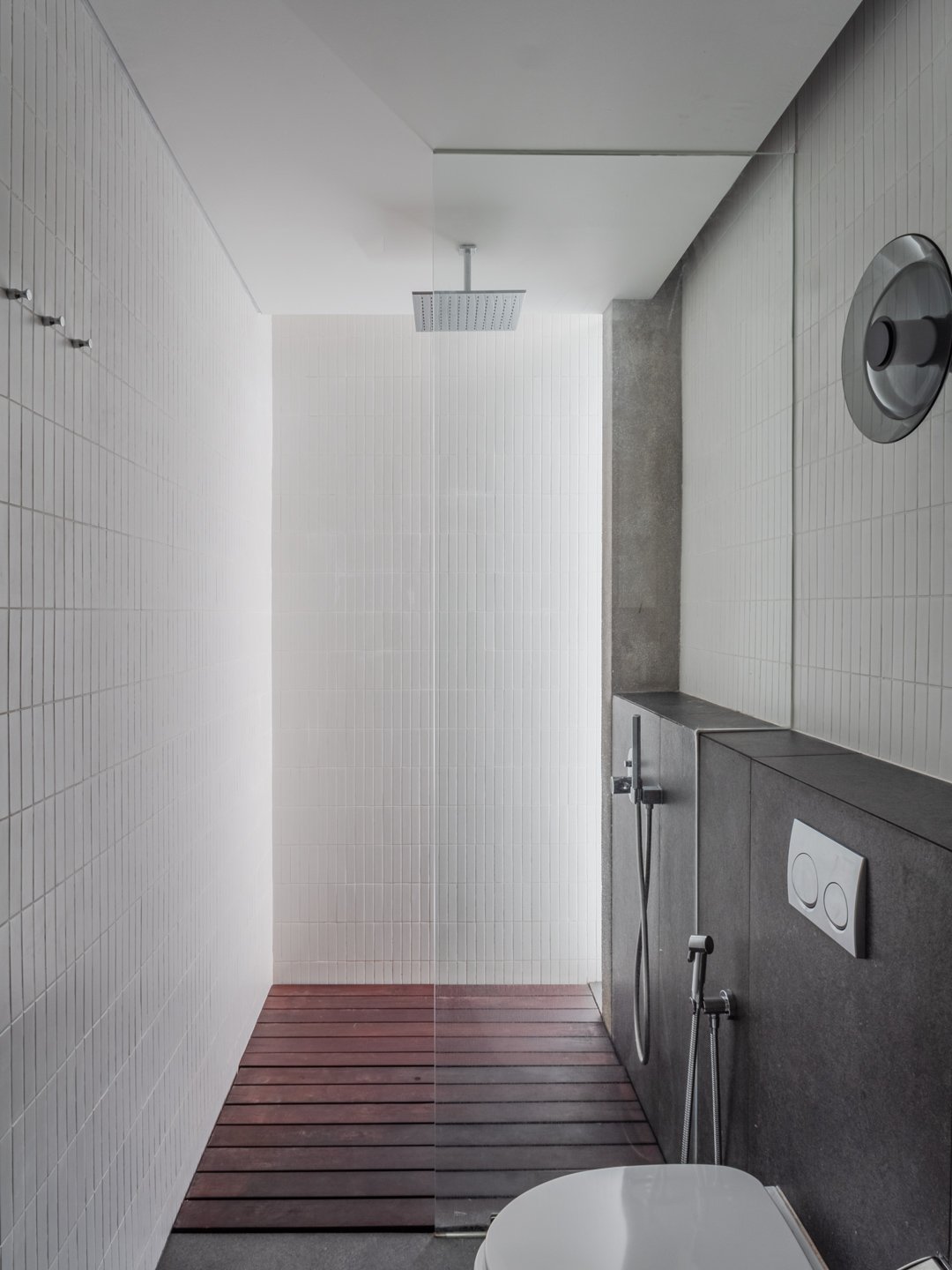
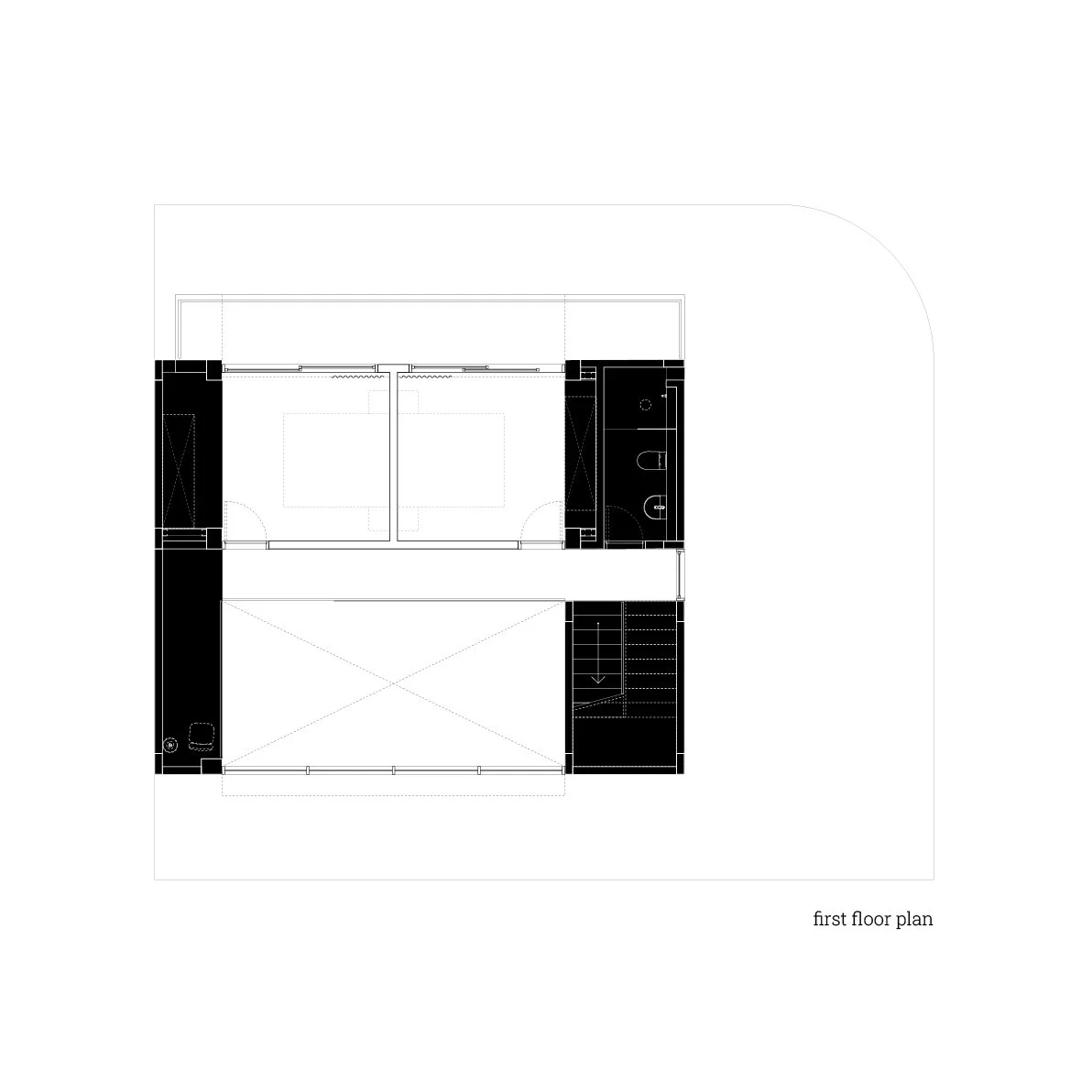
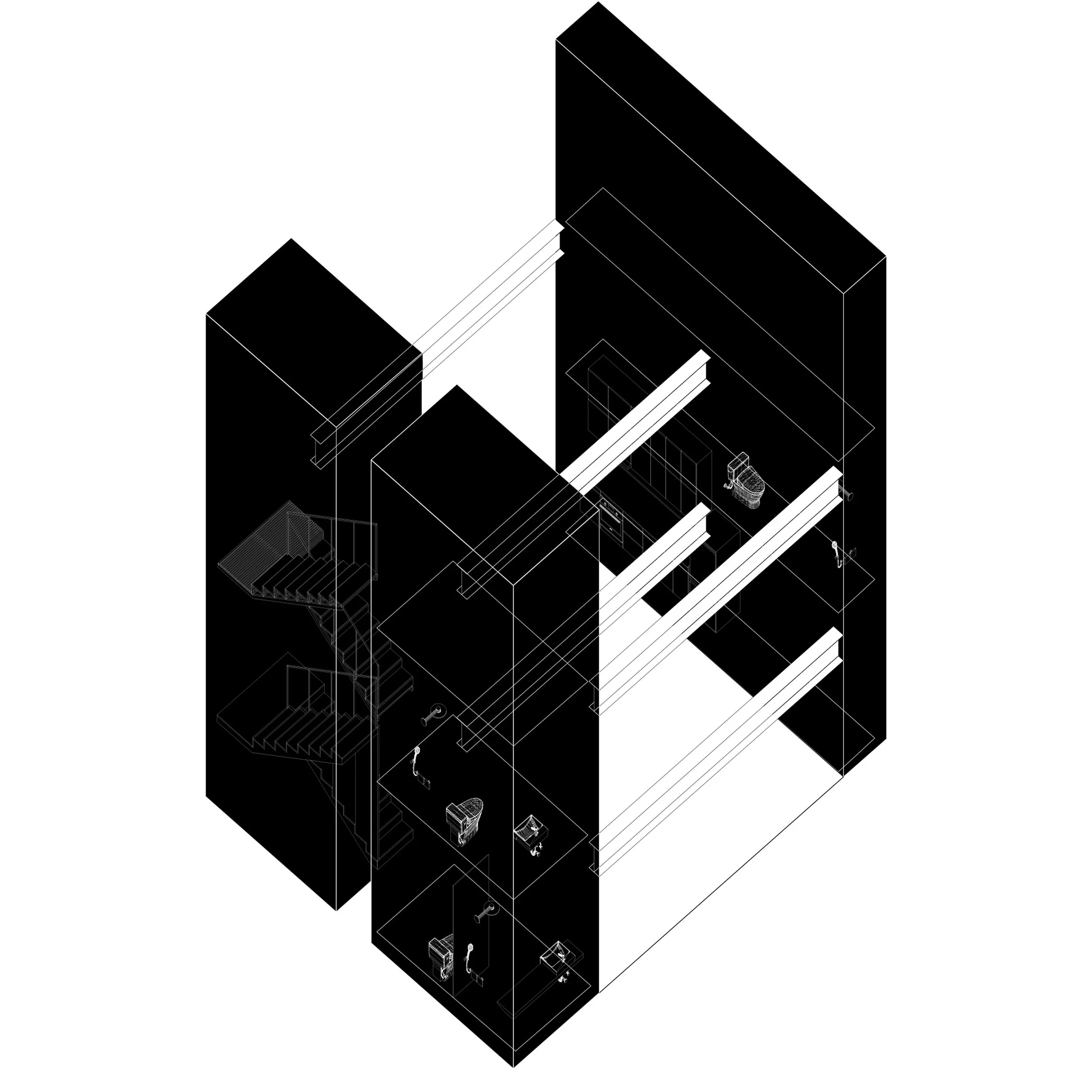
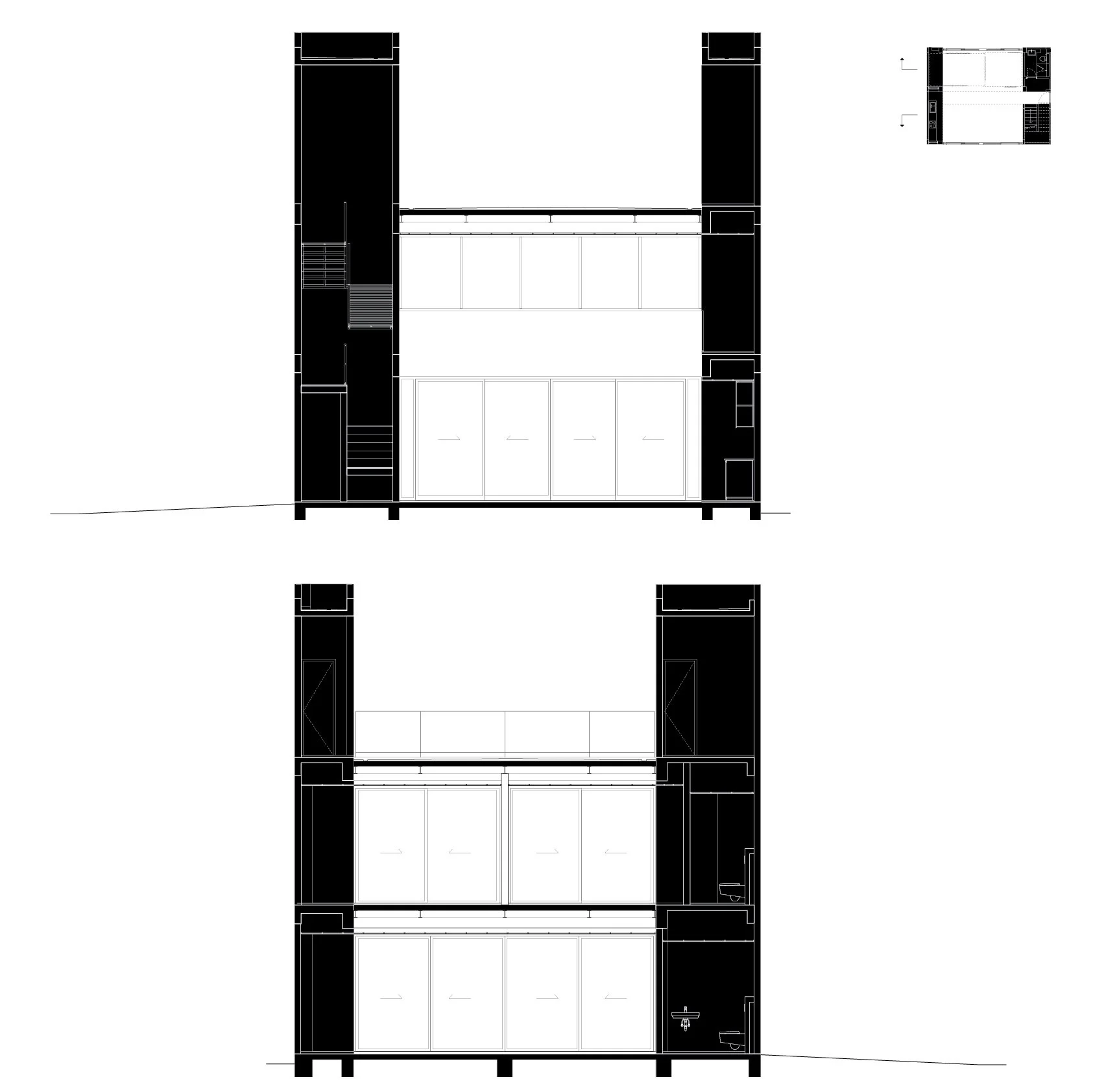
The core strategy involves programming the ‘house‘ into two parts, which are the ‘fixed’ part and the ‘open’ part: -The ‘fixed’ part consists of essential utility functions such as toilets, storage, kitchen, access, and services. These functions are compartmentalized into minimal vertical cores. Placing the volumes at one end and the opposite distributes the necessary utility functions on both sides, while serving as structural support. The cores contain all essential utility installations, freeing the center to serve as the ‘open’ part without any fixed installations.
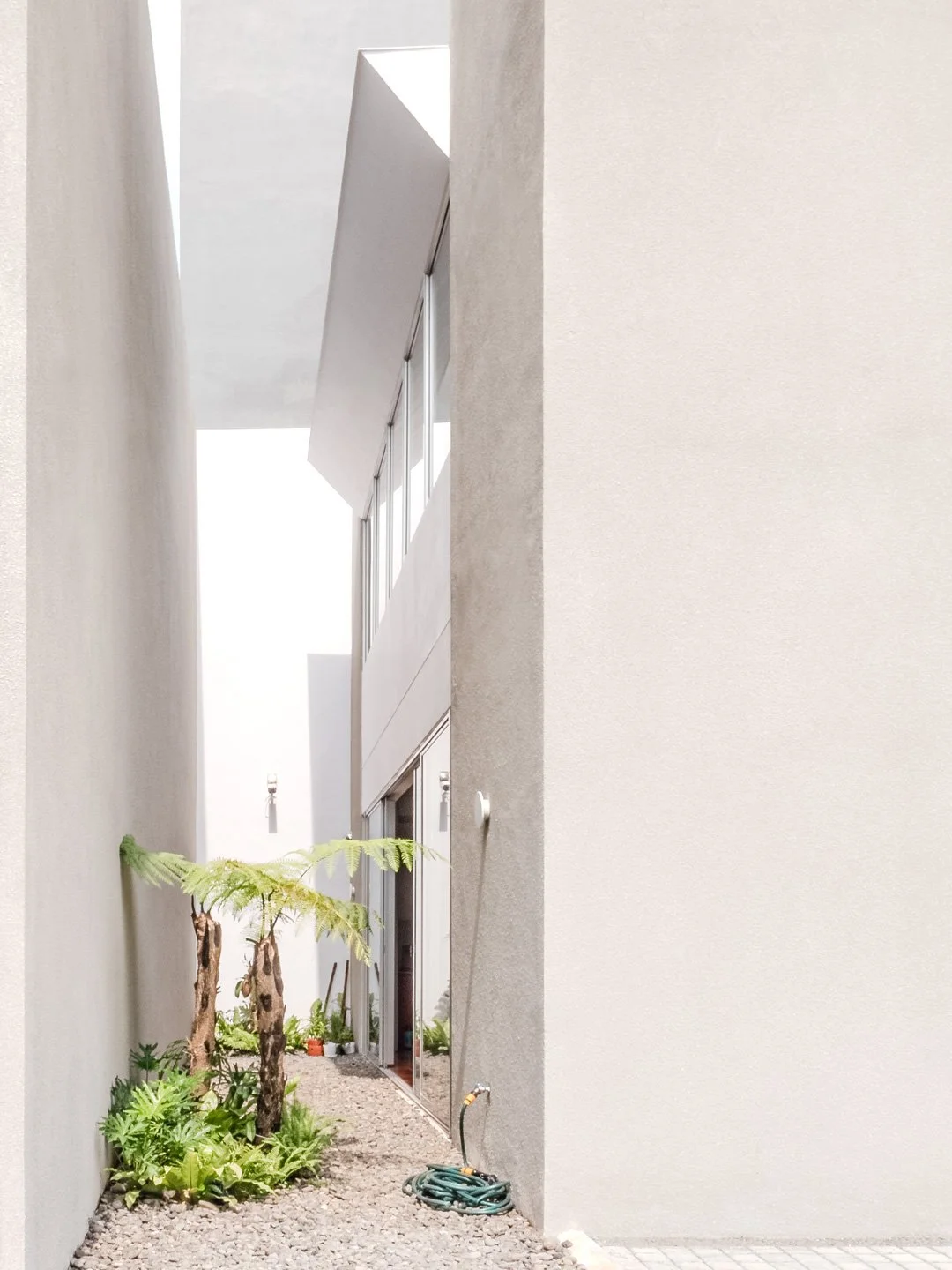
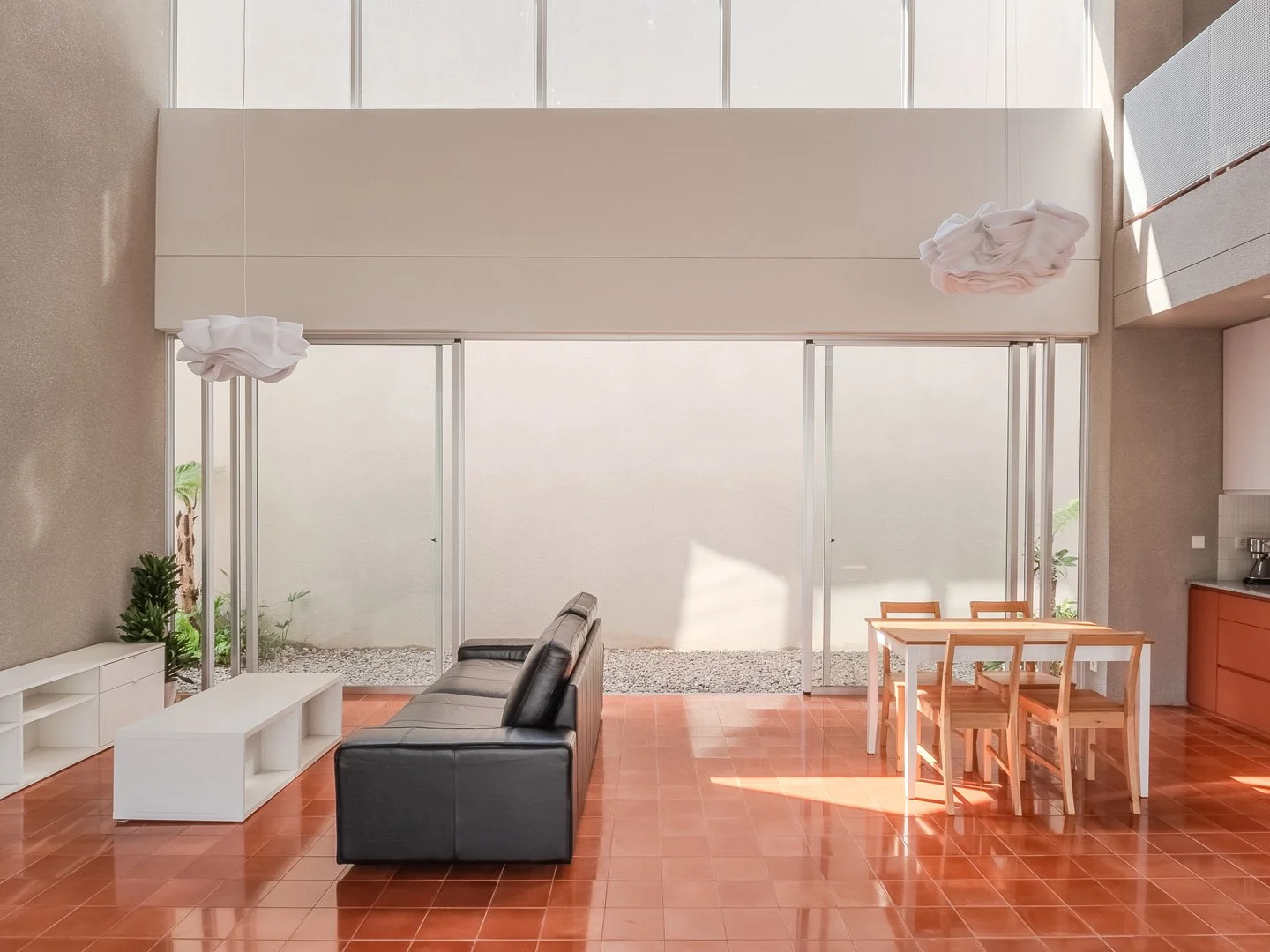
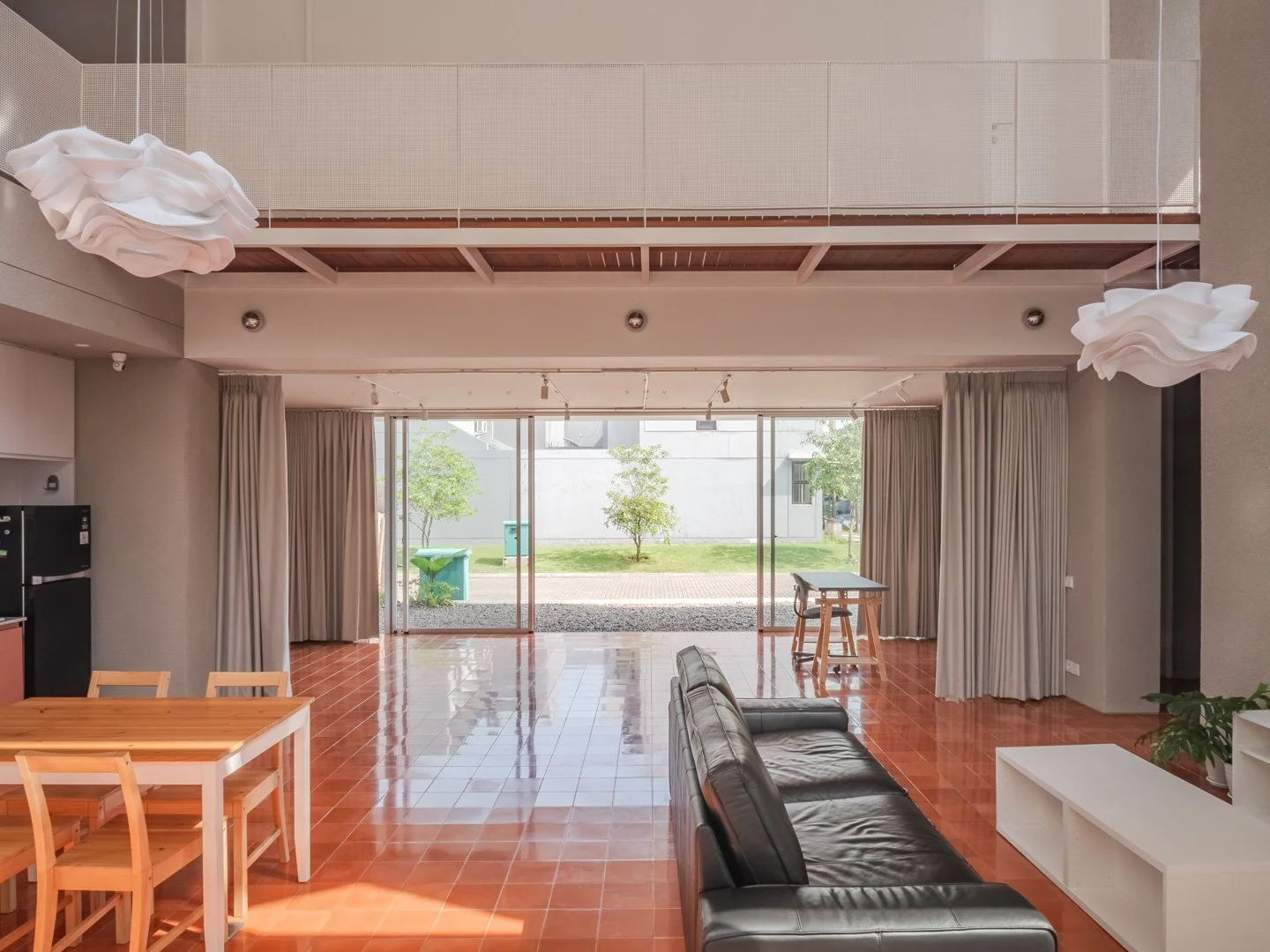
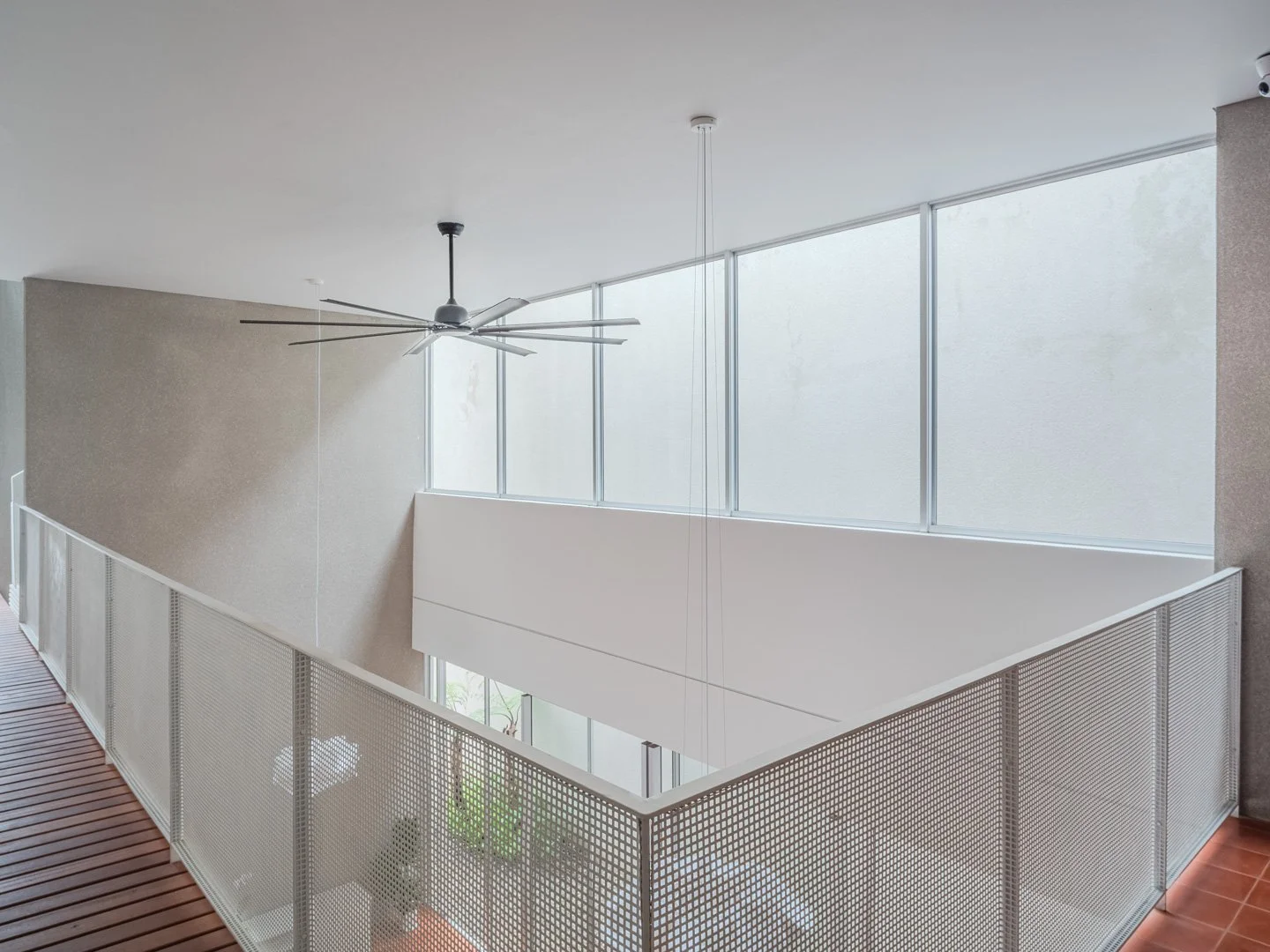
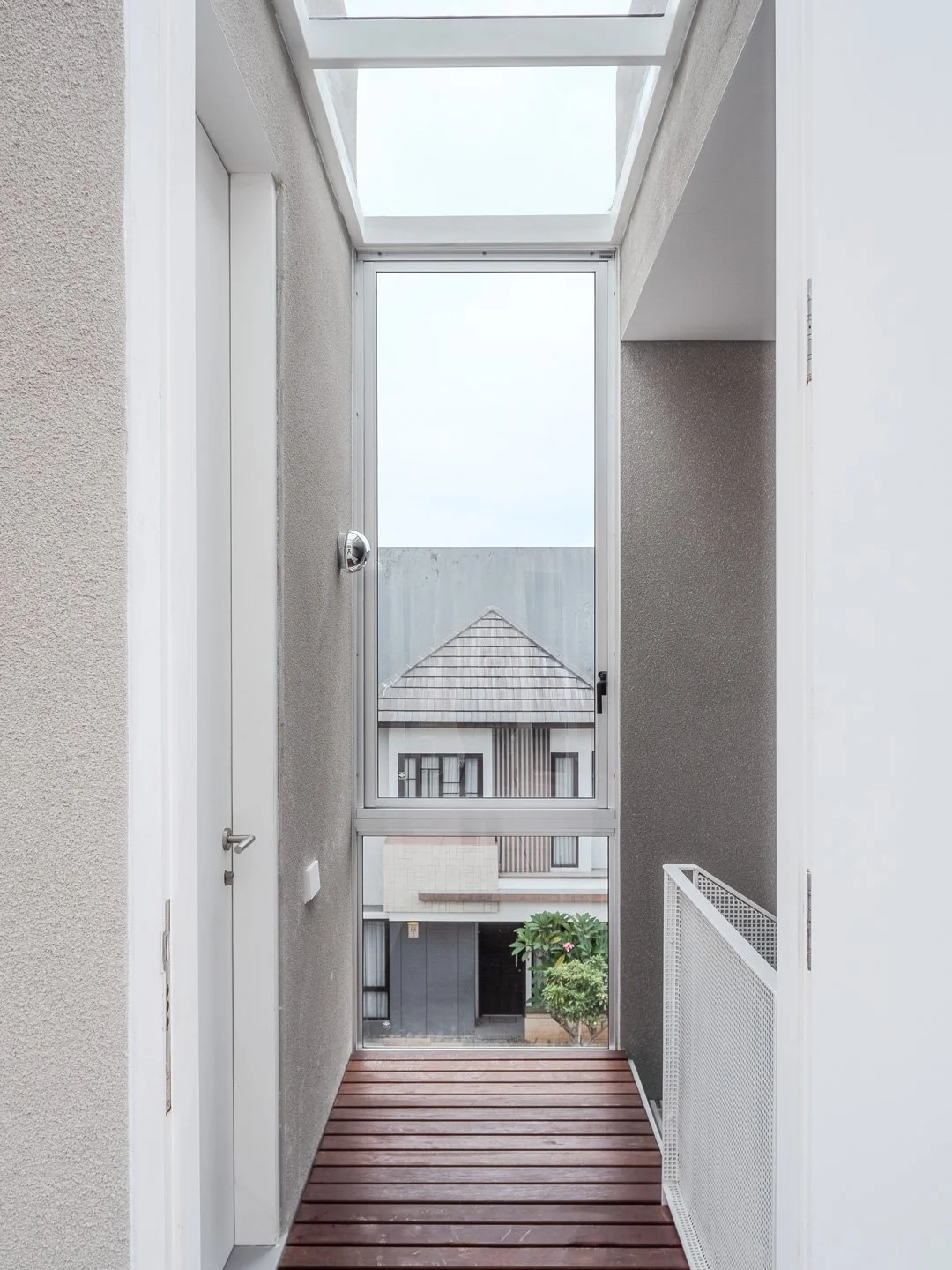
-The ‘open‘ part is a 50 sqm open floor plan without defined use, consisting of only loose furniture and movable curtains. It features windows that connect the garden and outdoor areas, enhancing cross ventilation and providing natural lighting to all rooms. The curtain in the center allows for the rooms to be transformed and configured based on needs, such as accommodating extra guest rooms, serving as a yoga studio and office, and other potential programs. When the curtain is open, the space can be used for a singular use, or multiple different uses can coexist. The undefined use allows the space to accommodate the immediate, temporal, and long-term needs of the inhabitants.
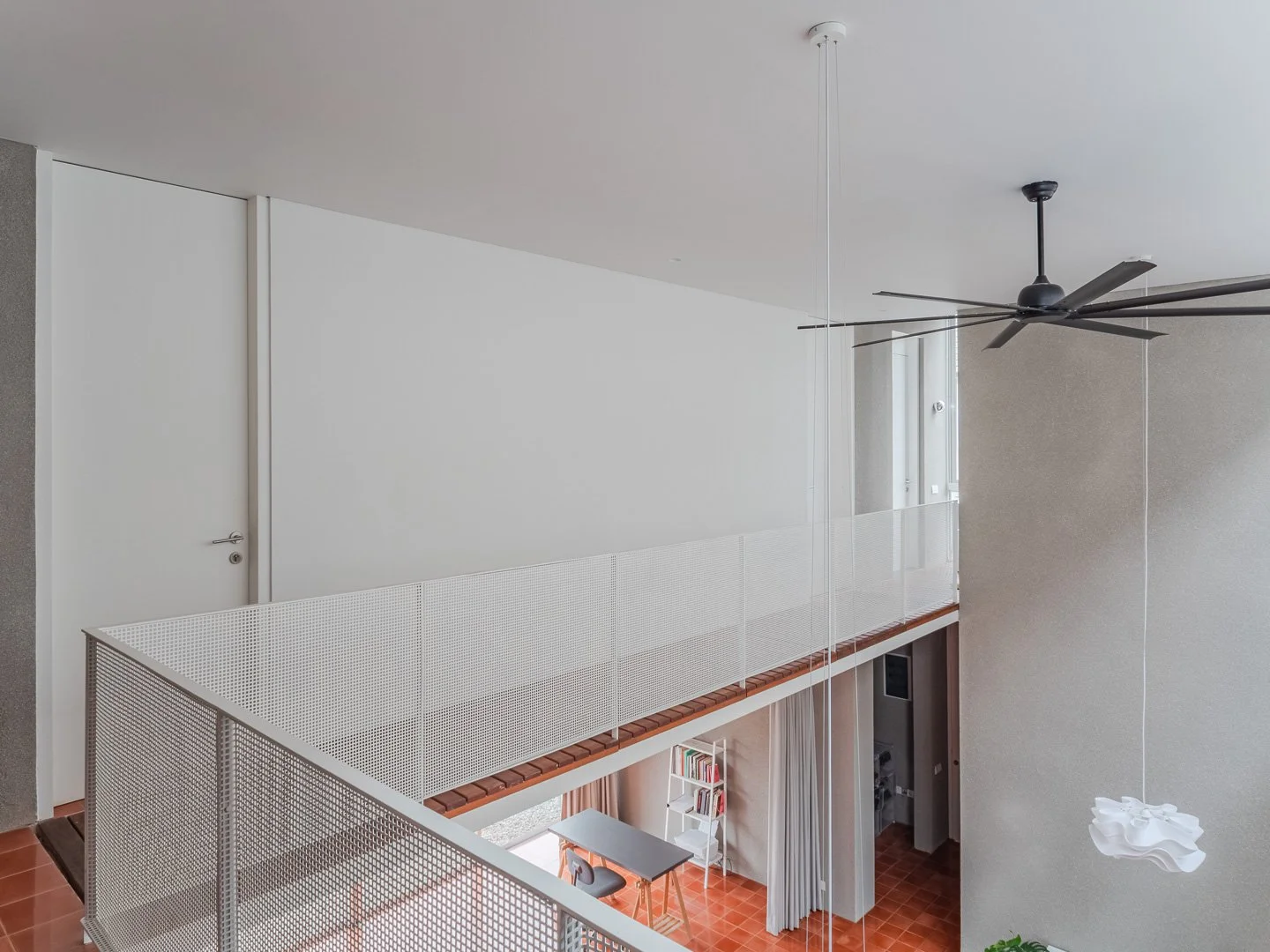
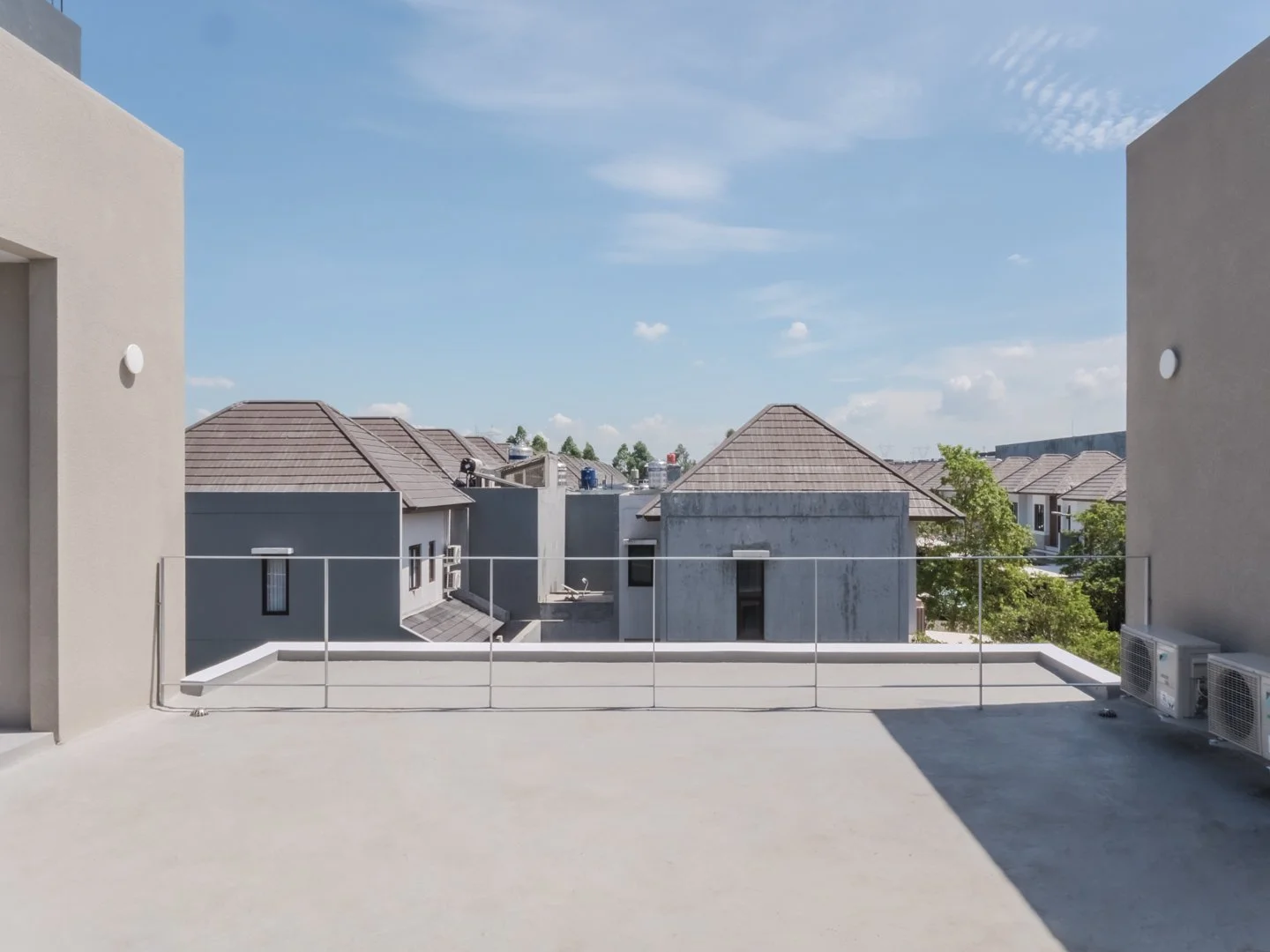
The first floor is dedicated to private rooms, providing privacy and isolation. The second floor comprises a flat roof with walls constructed to anticipate future additions of rooms.
The structure is straightforward with simple finishes and form to keep the project within budget. The ‘fixed’ part is characterized by minimal windows and textured plaster finishing, implying permanent use. While the ‘open‘ part features white walls and large glass windows. Its transparency highlights the adaptable nature, reflecting the changing uses of the space.
Rooms without a use are not defined by their functionality but rather by the ever-changing human needs. Its anticipation of change presents a potential model of sustainability, allowing the inhabitants to slowly complete the house and extend its lifespan over time. Text description by the architects.
Source: instrument Construction: PT. Talenta Tri Karya