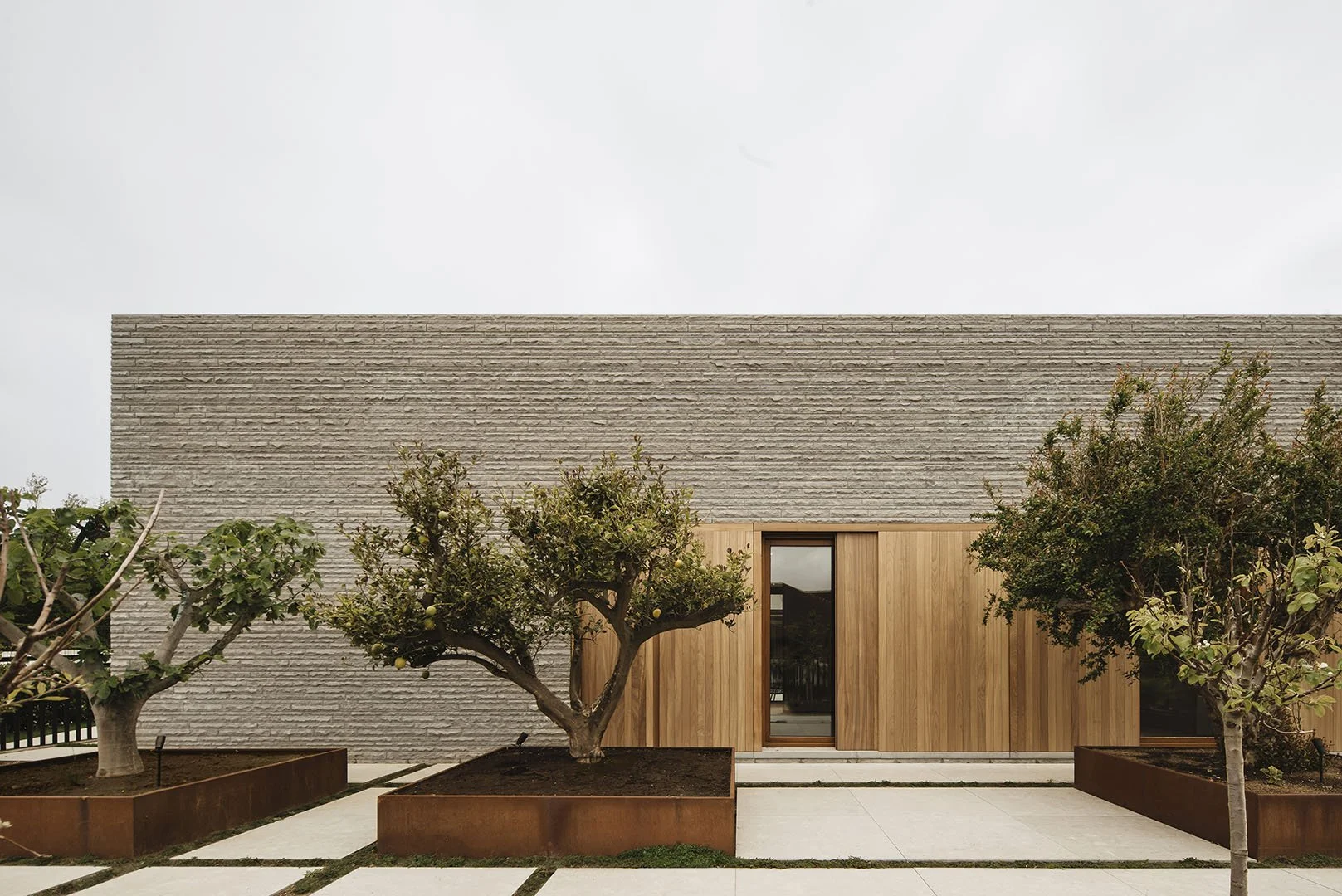
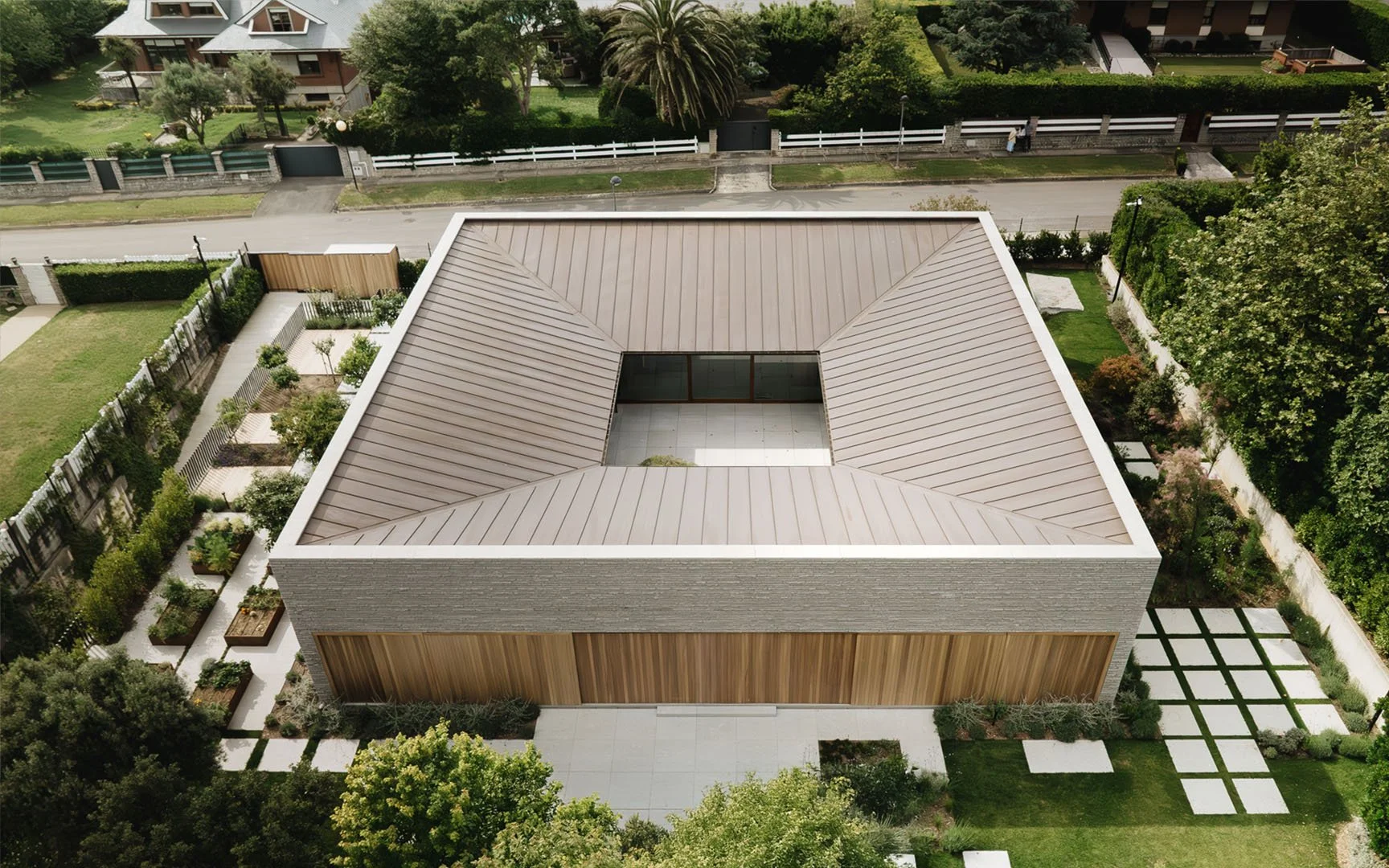
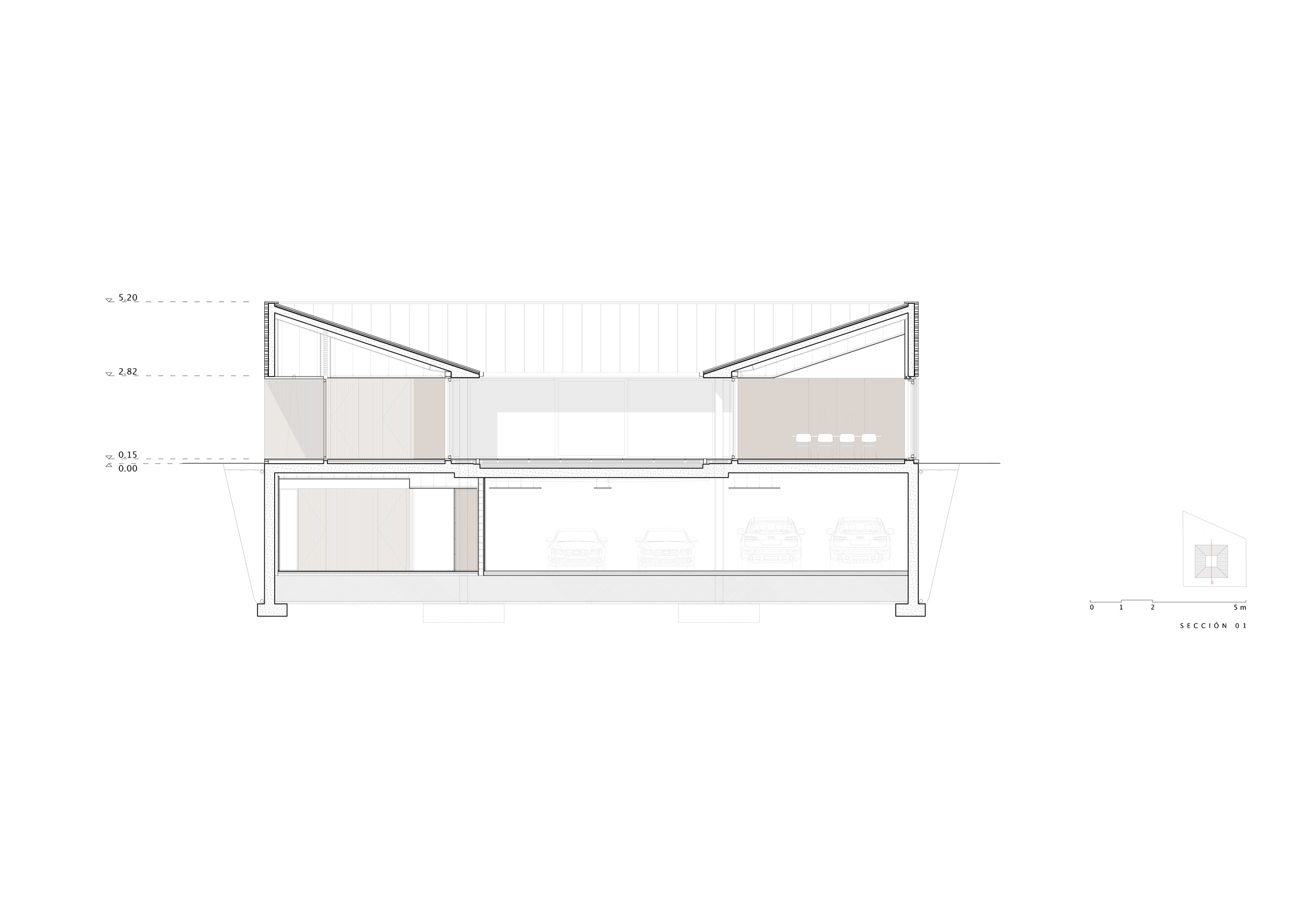
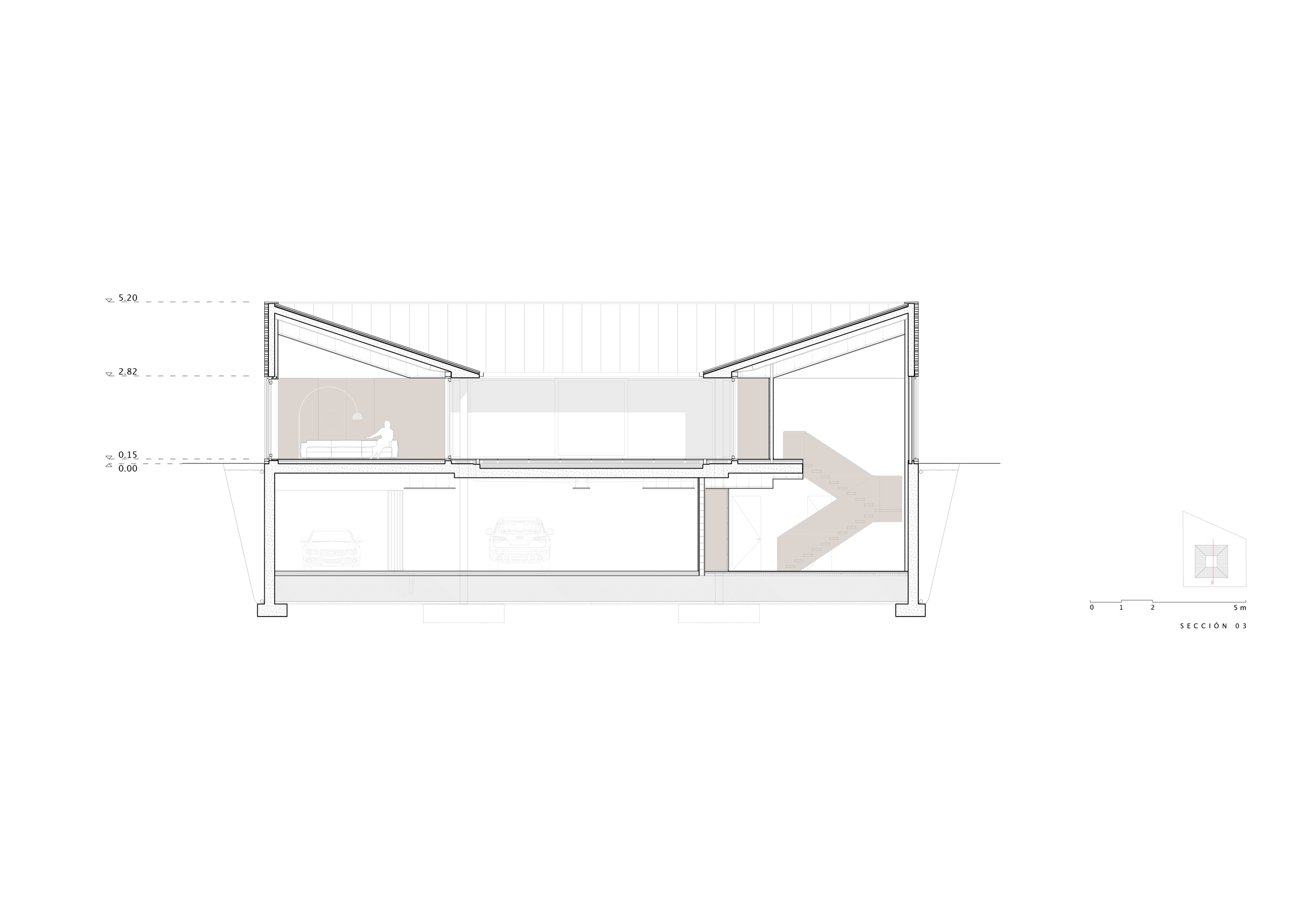
Located just a few meters from the cliffs of the Biscayan coast, this single-family dwelling rises as an architectural piece with a strong yet silent exterior presence. As its name suggests —oinarri in Basque means “base” or “foundation”—, the house seeks to be a construction firmly anchored to the rocky terrain on which it stands.
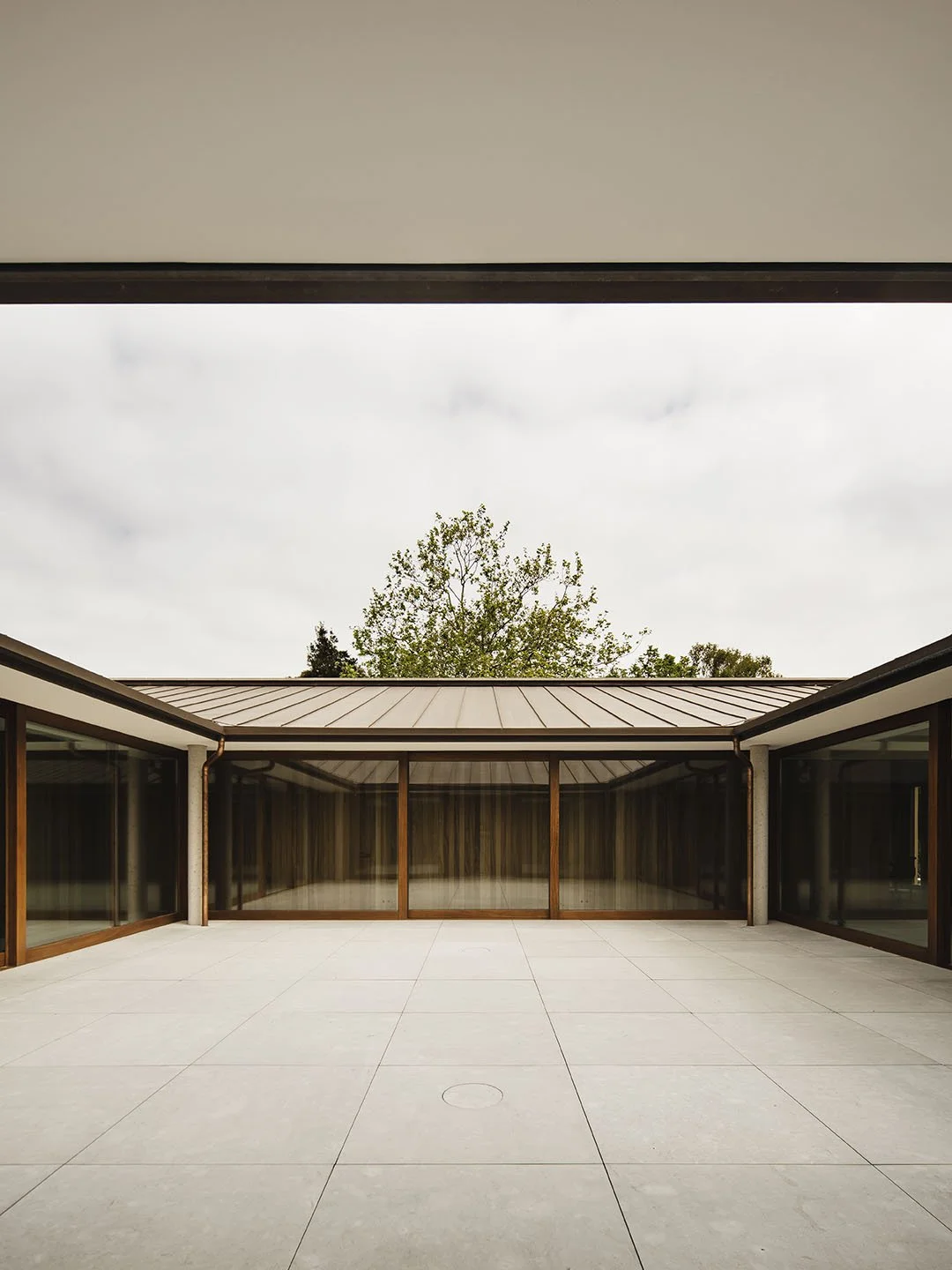
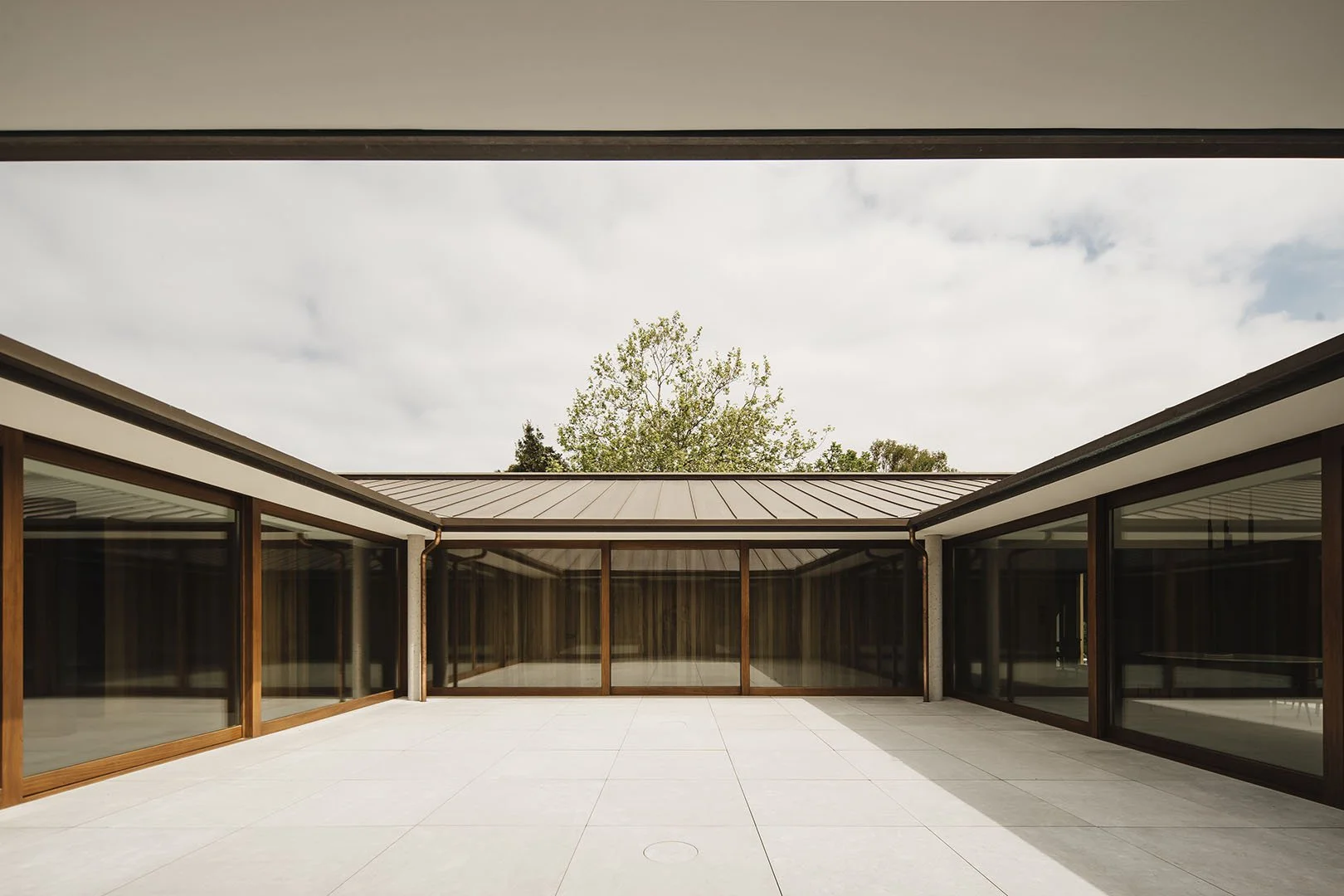
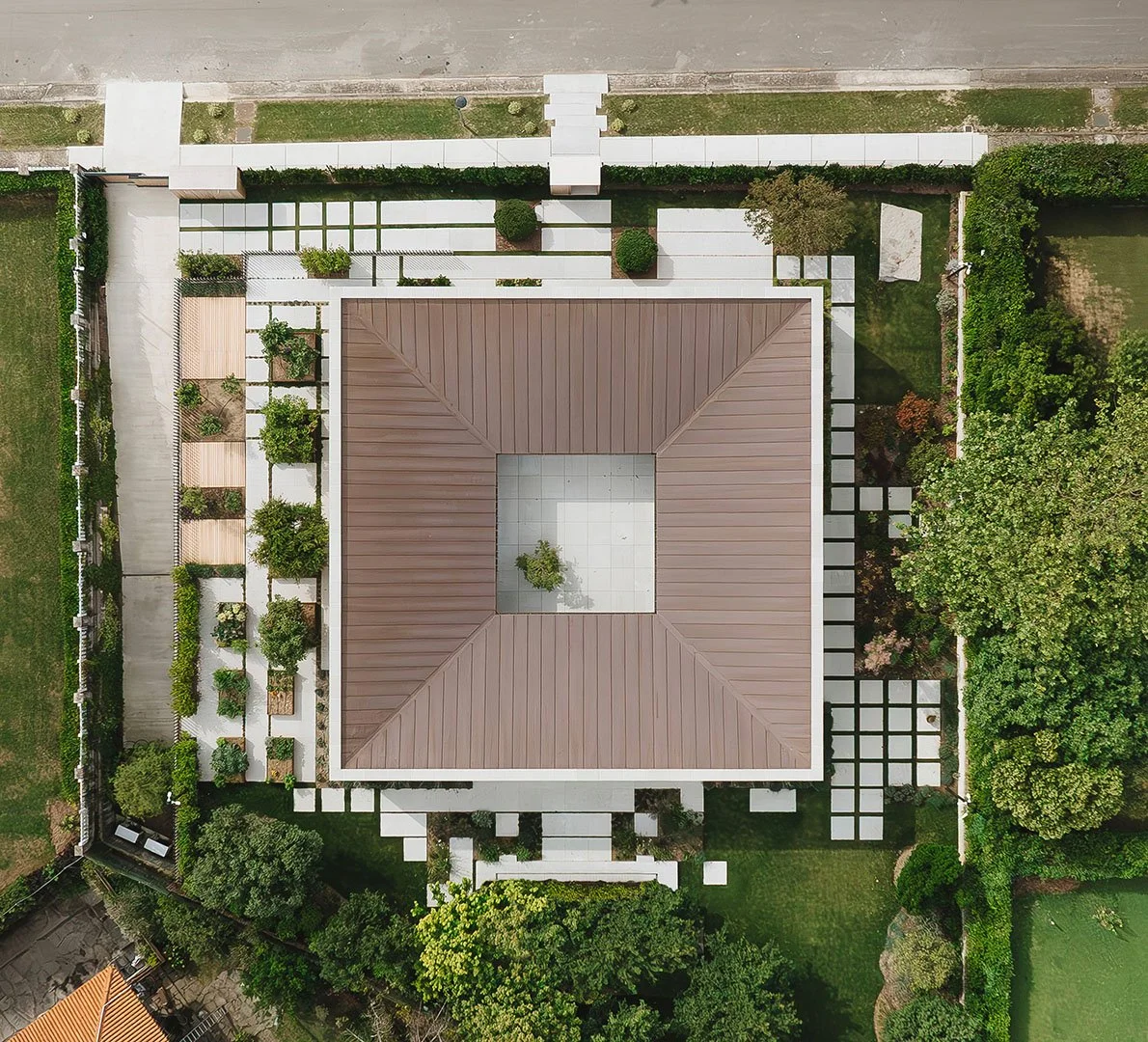
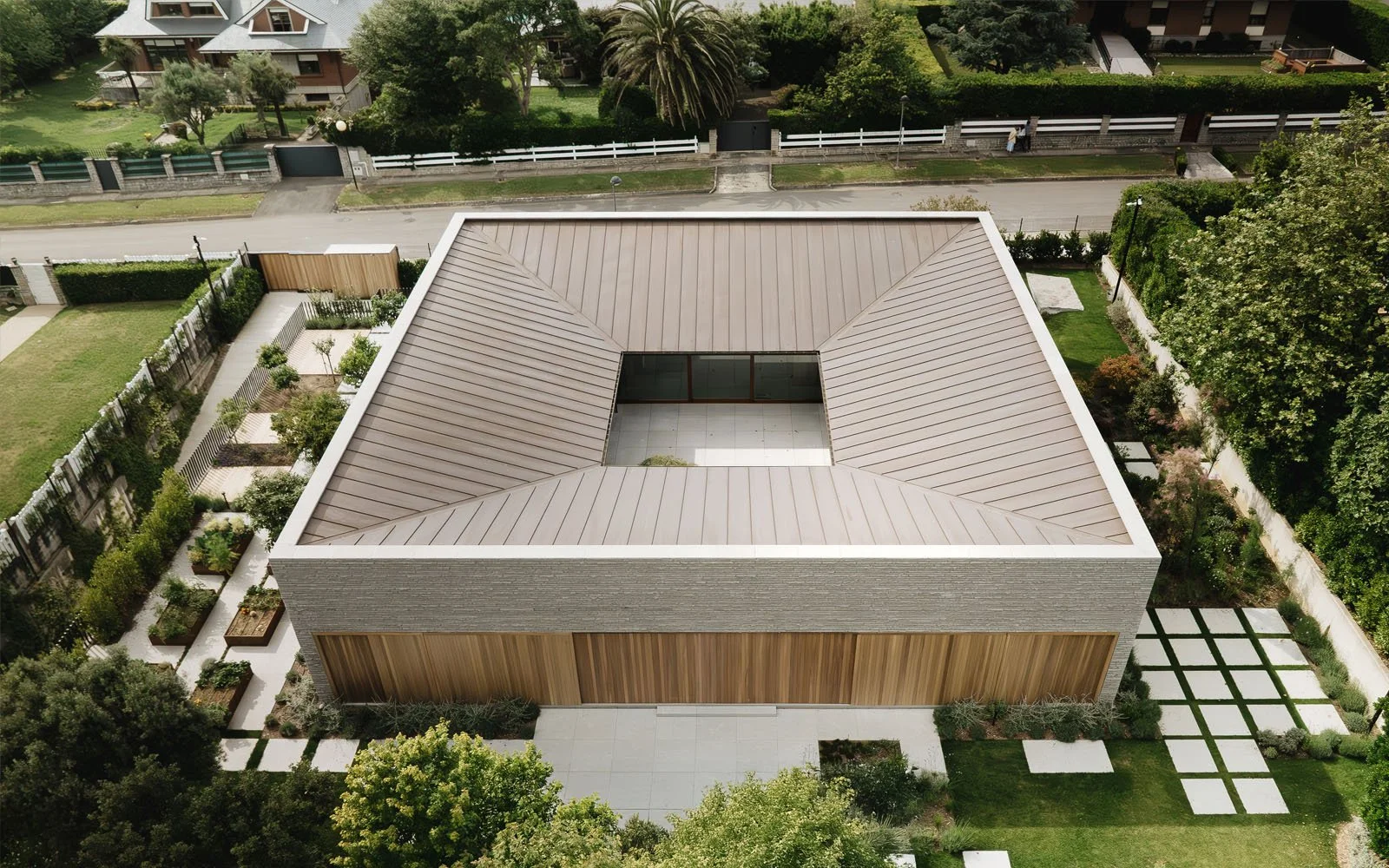
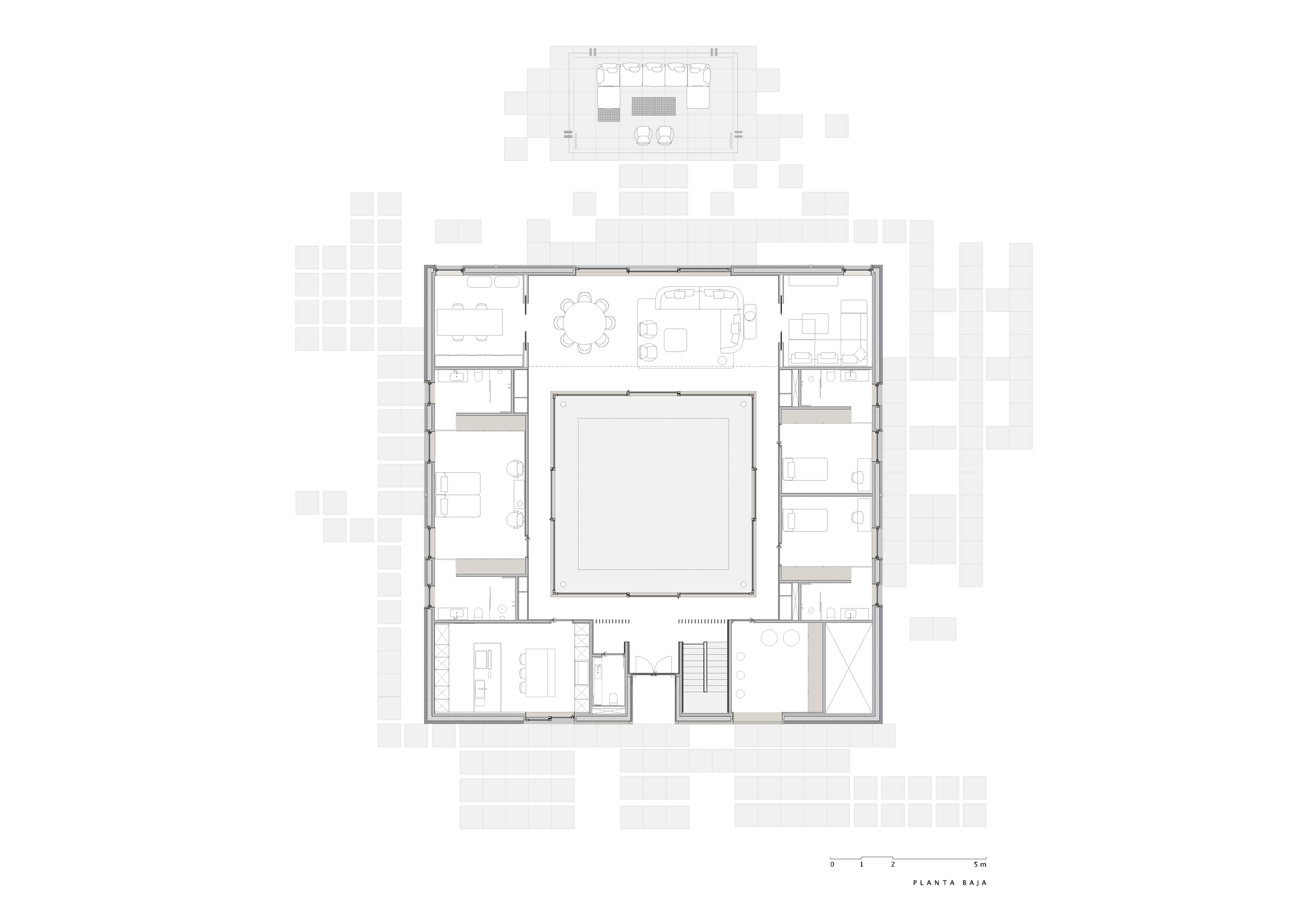
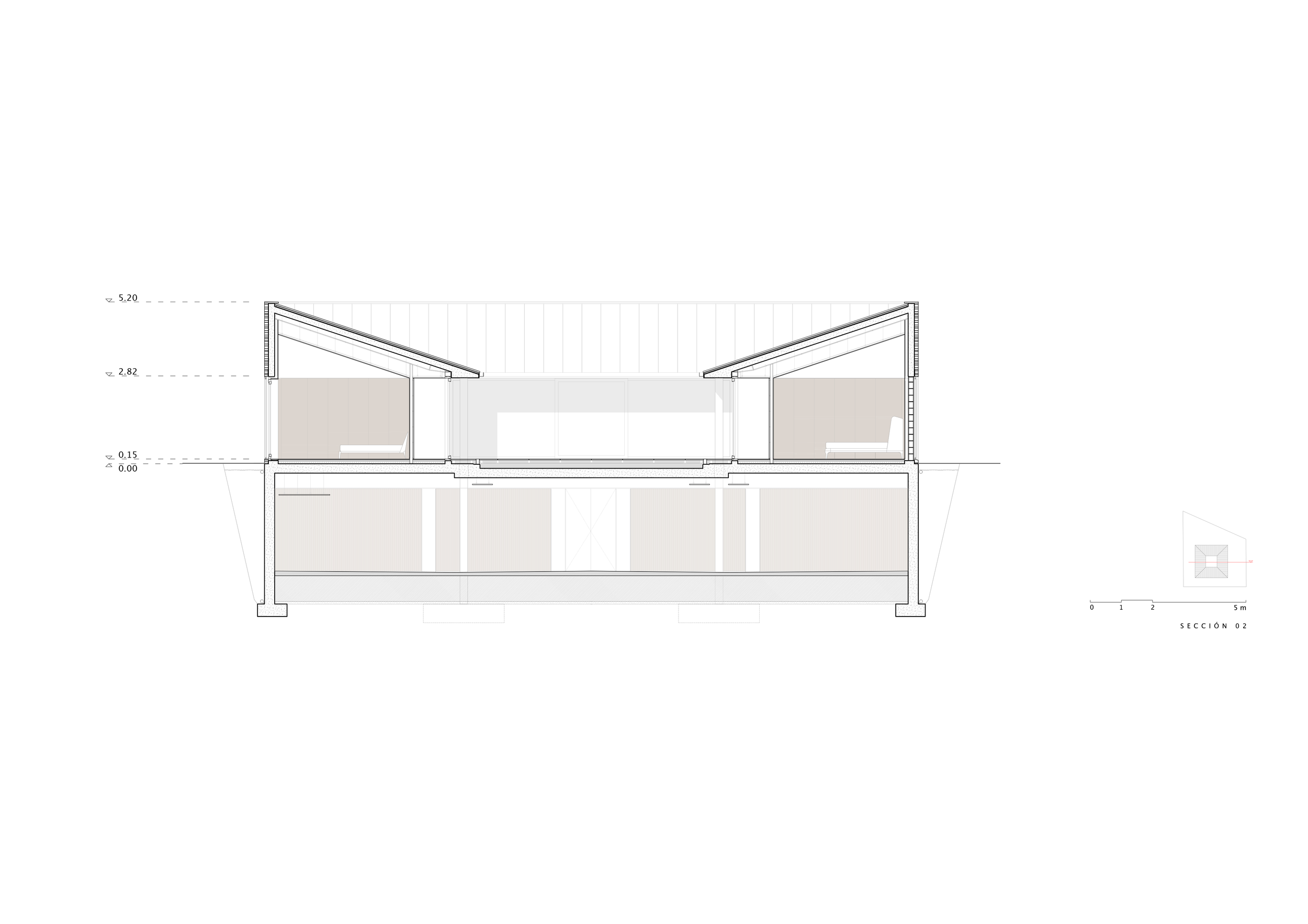
It is conceived as a large stone prism pierced by a spacious inner courtyard: essentially, a great impluvium, a patio house.
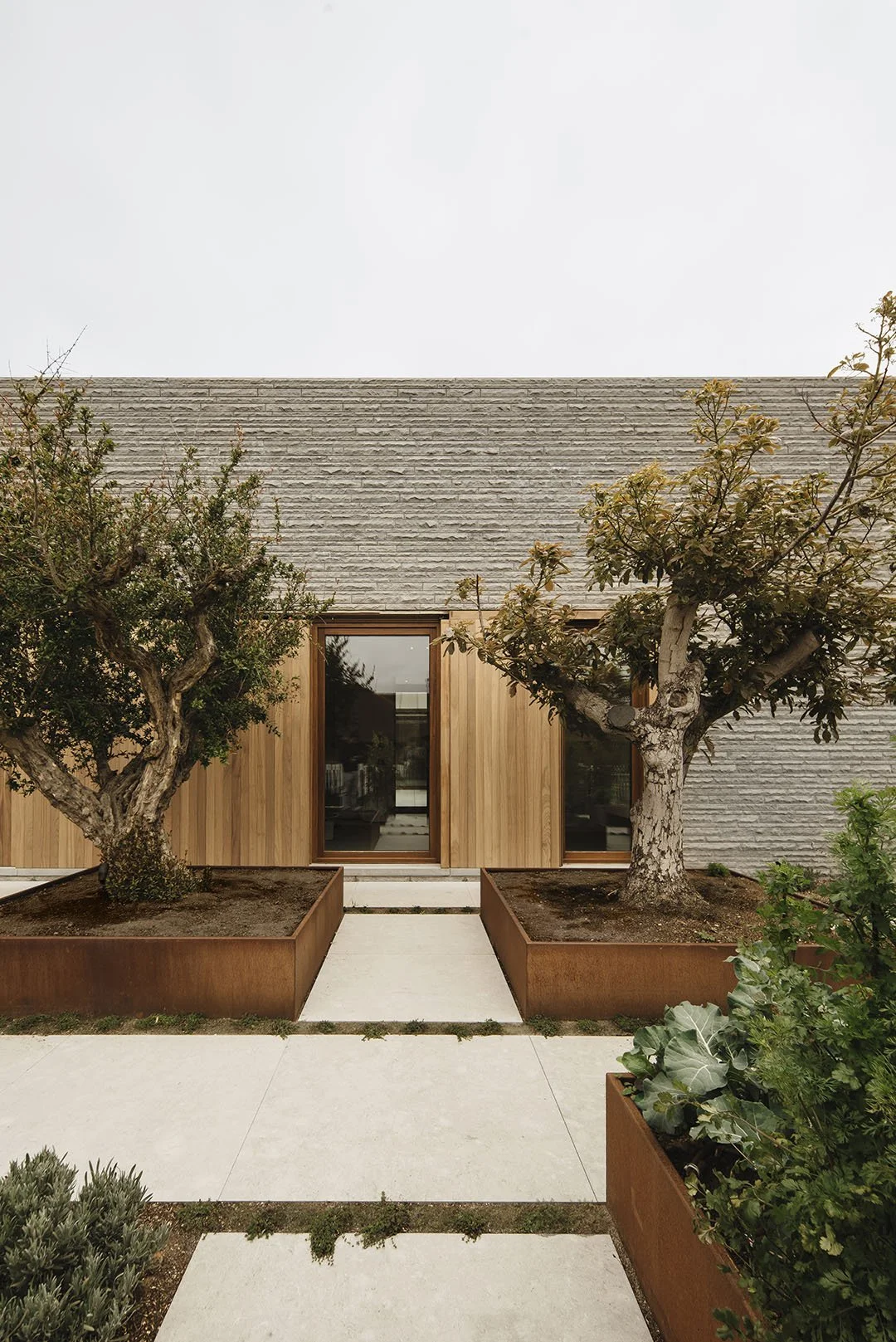
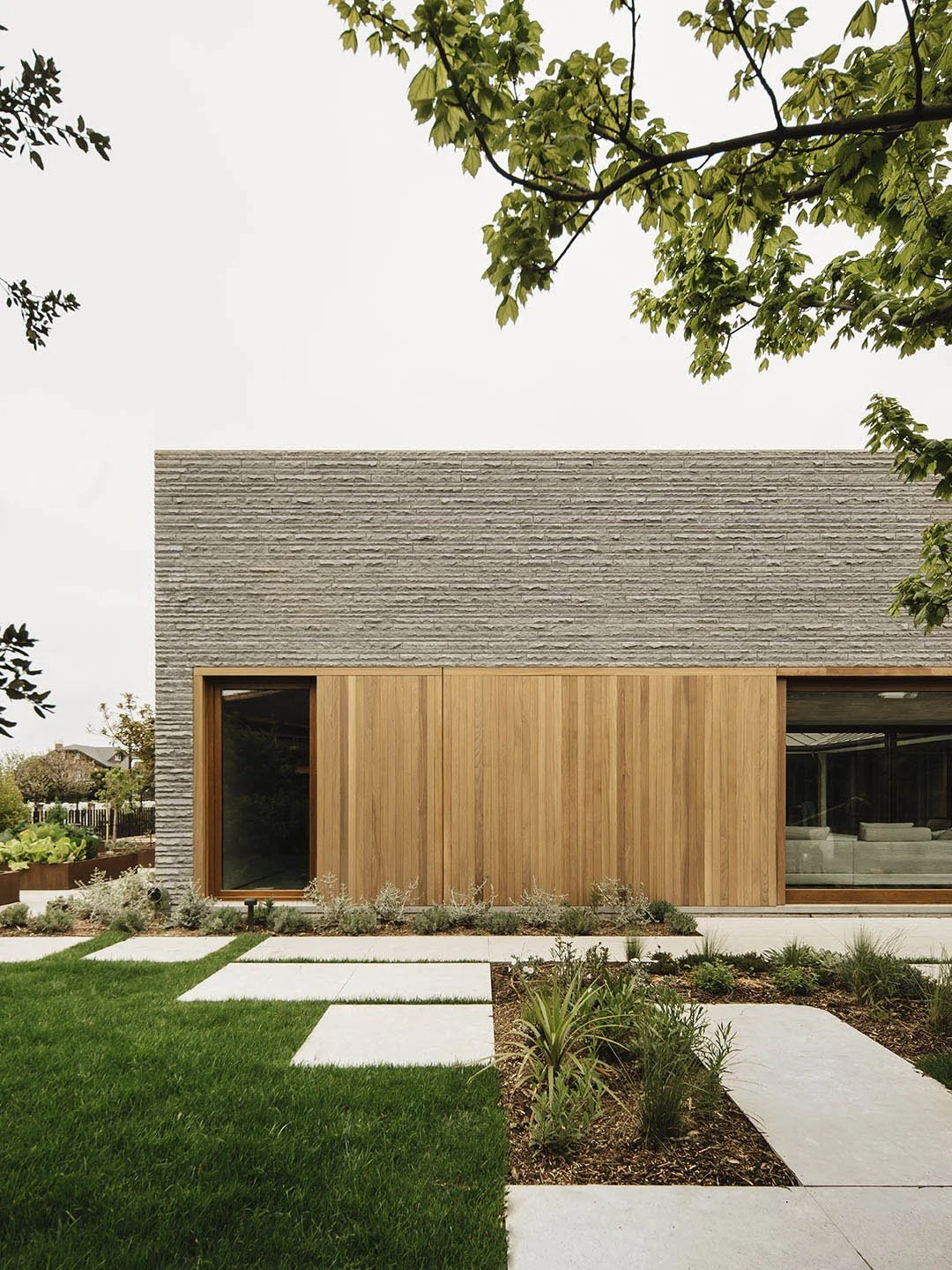
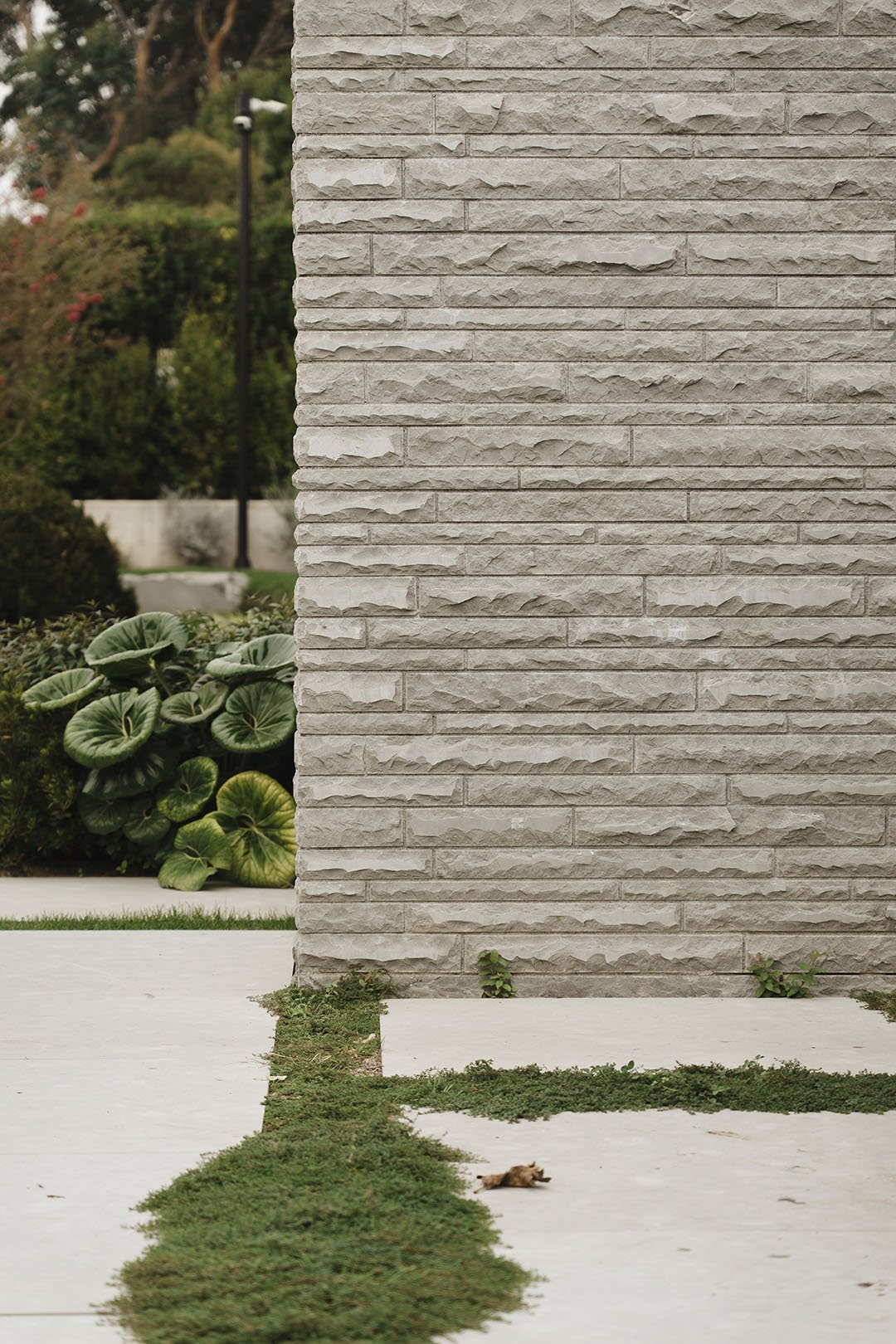
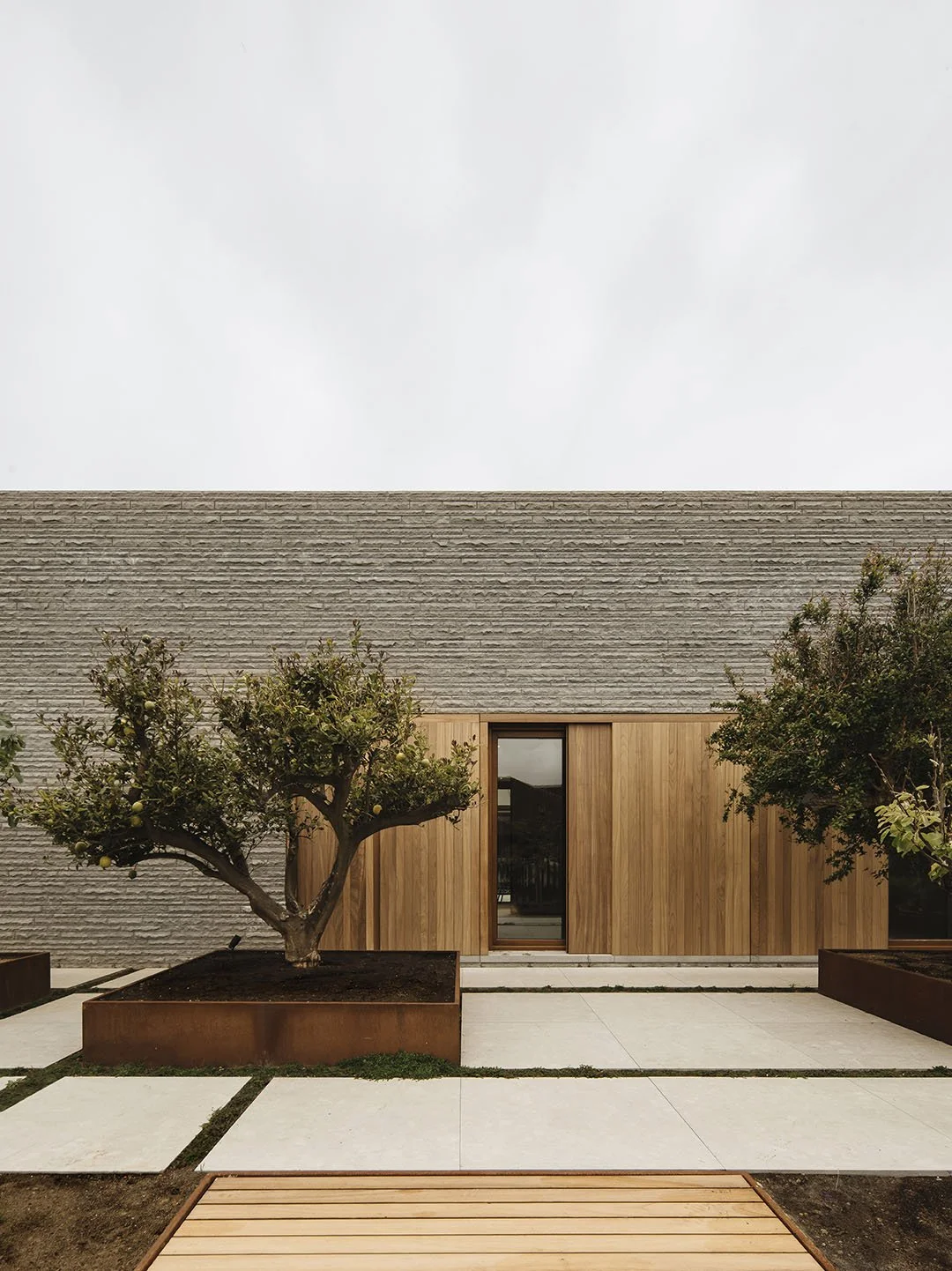
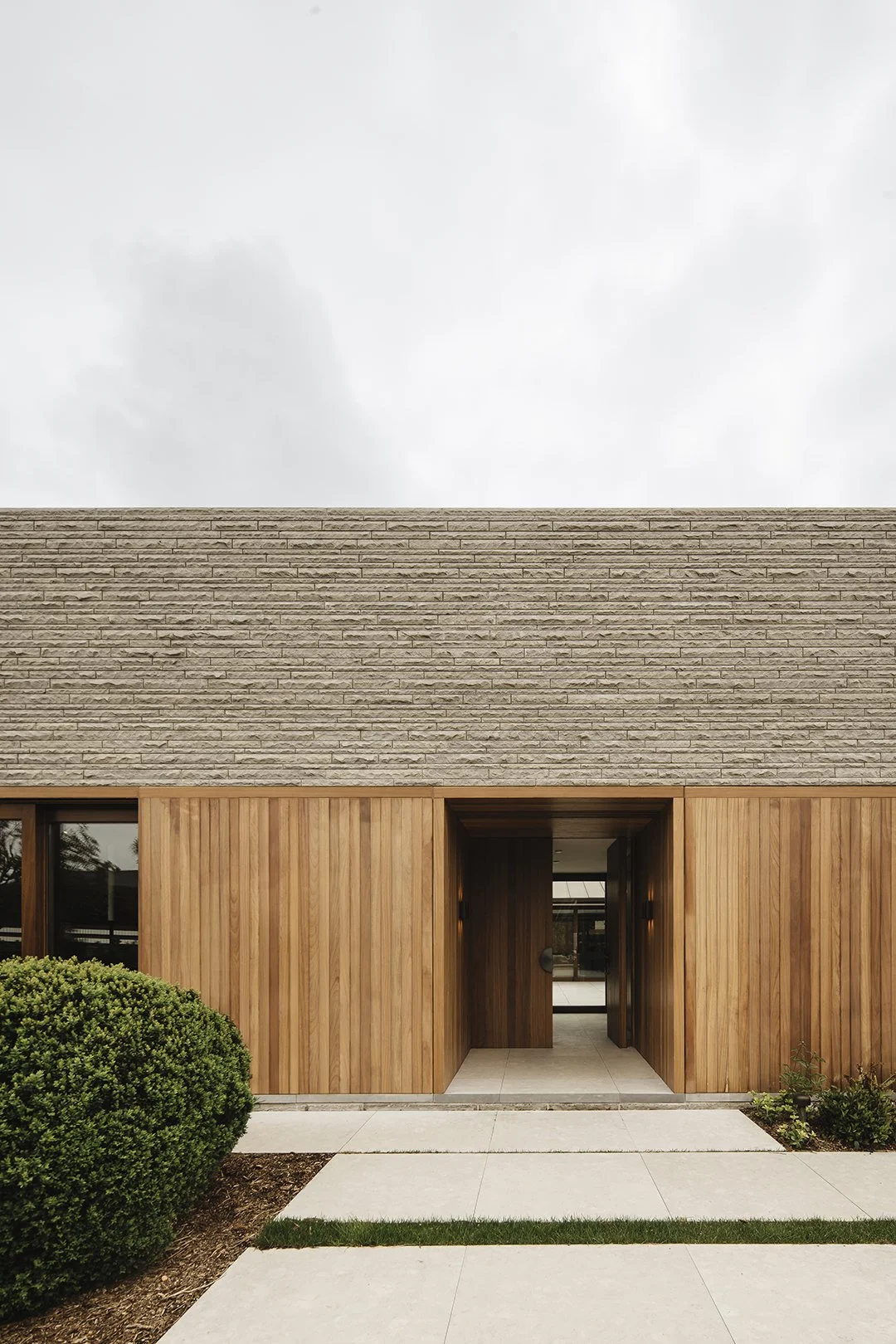
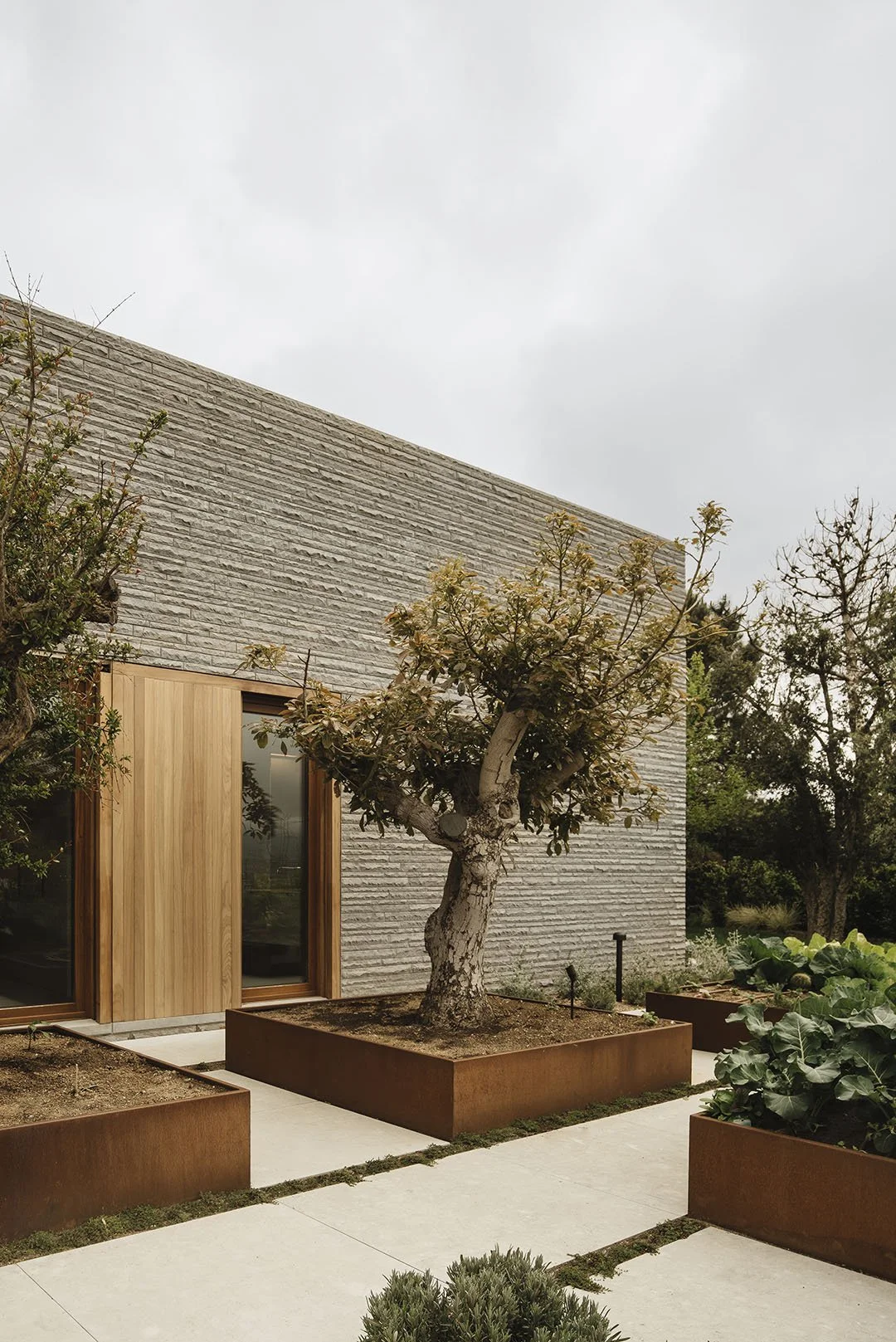
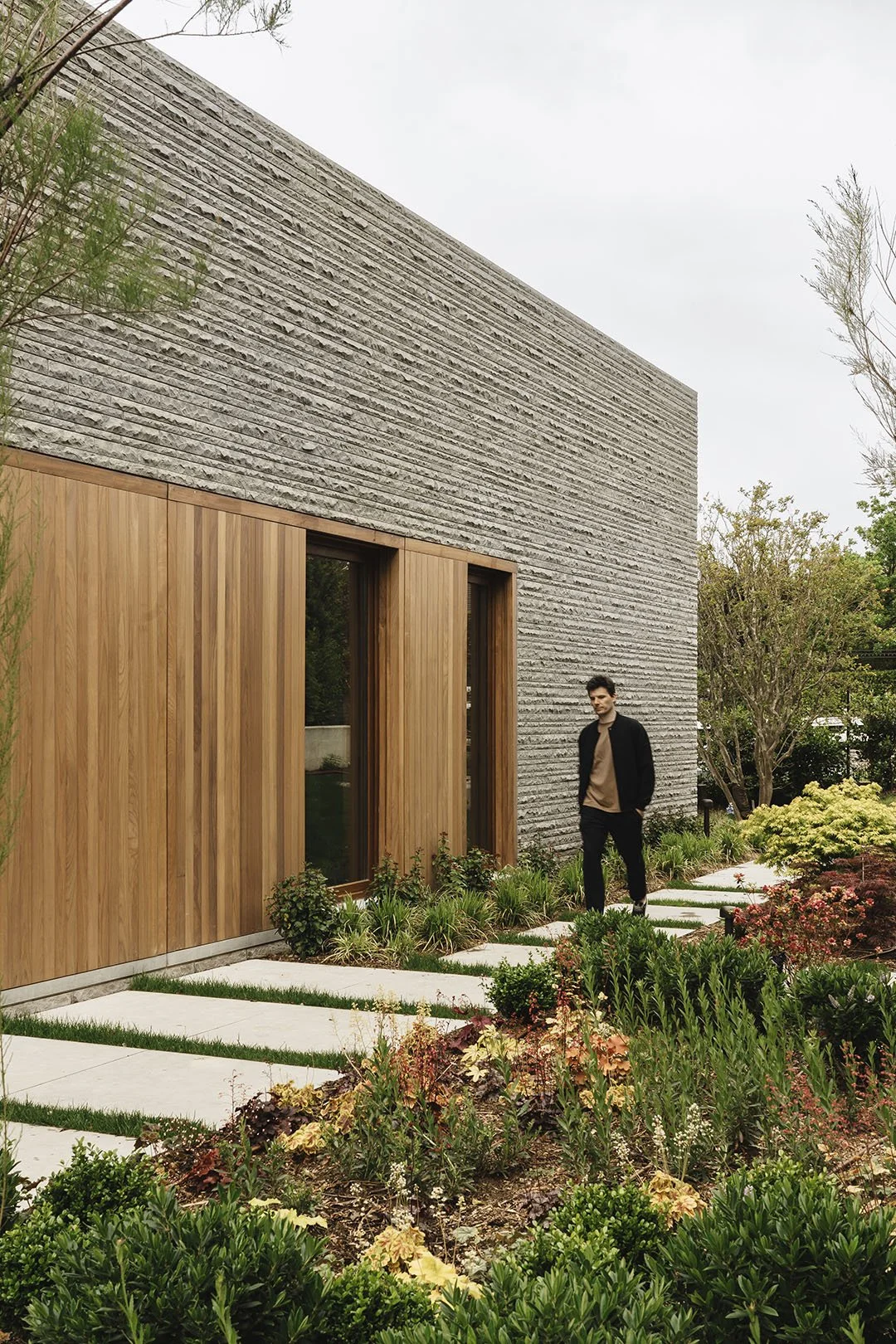
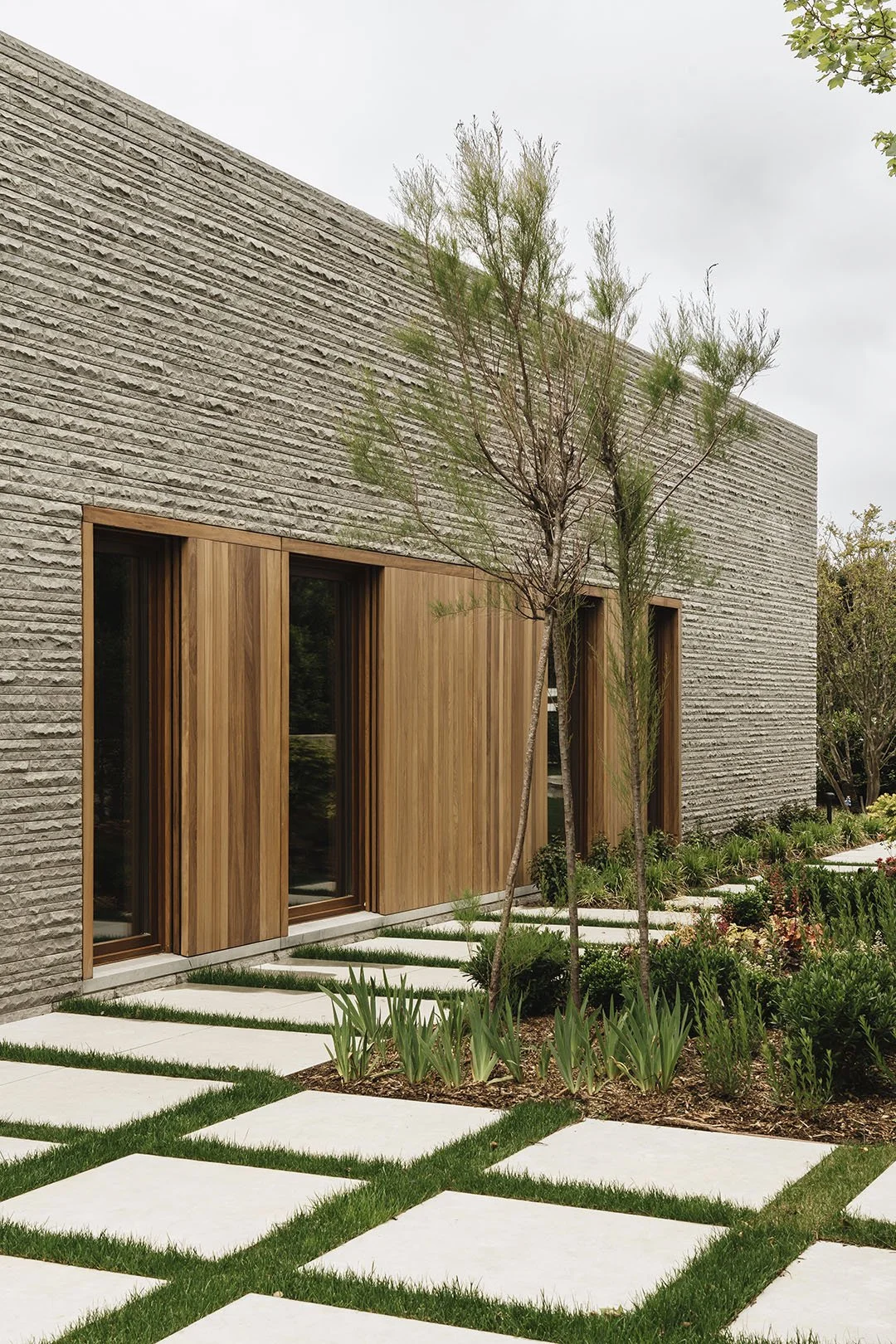
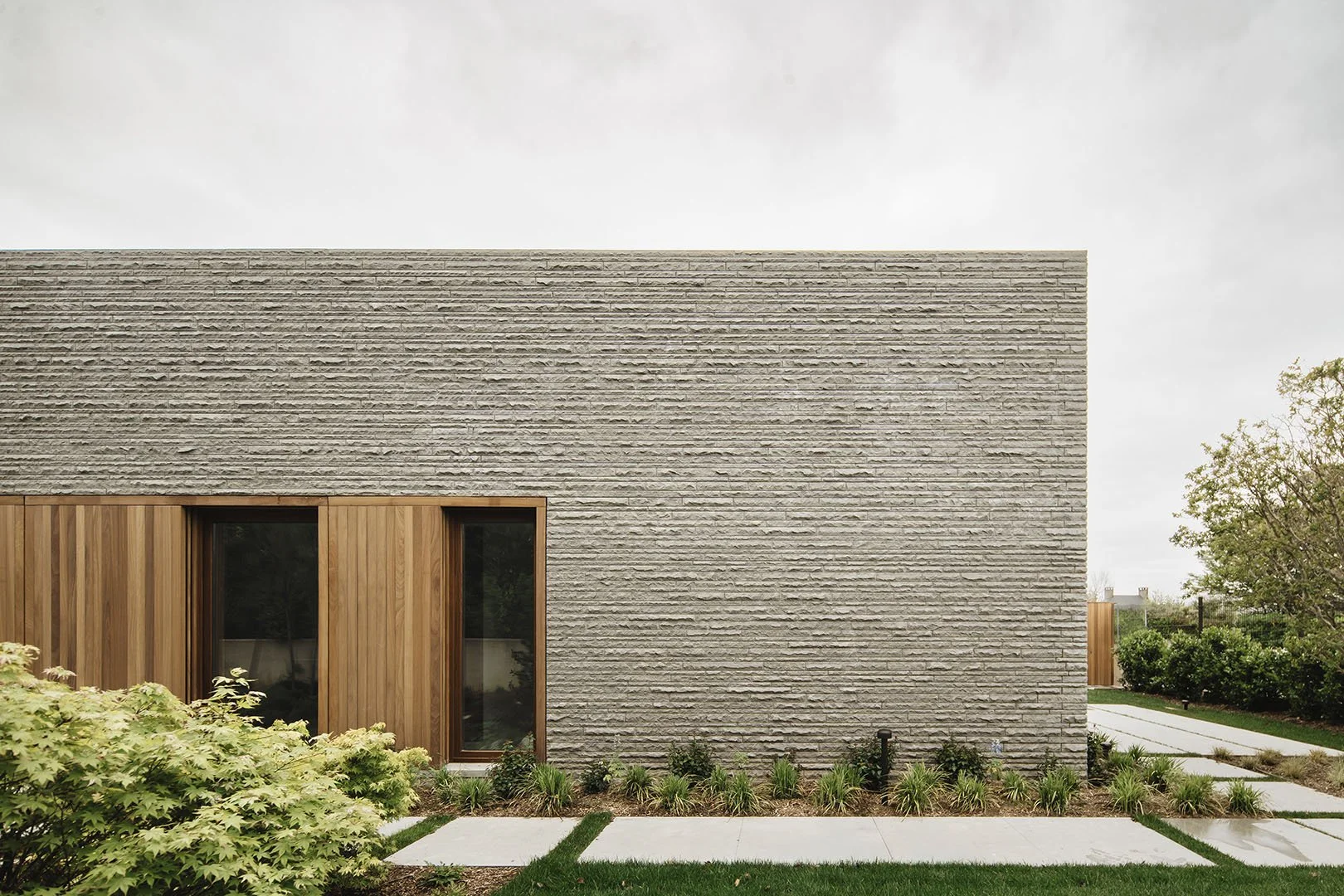
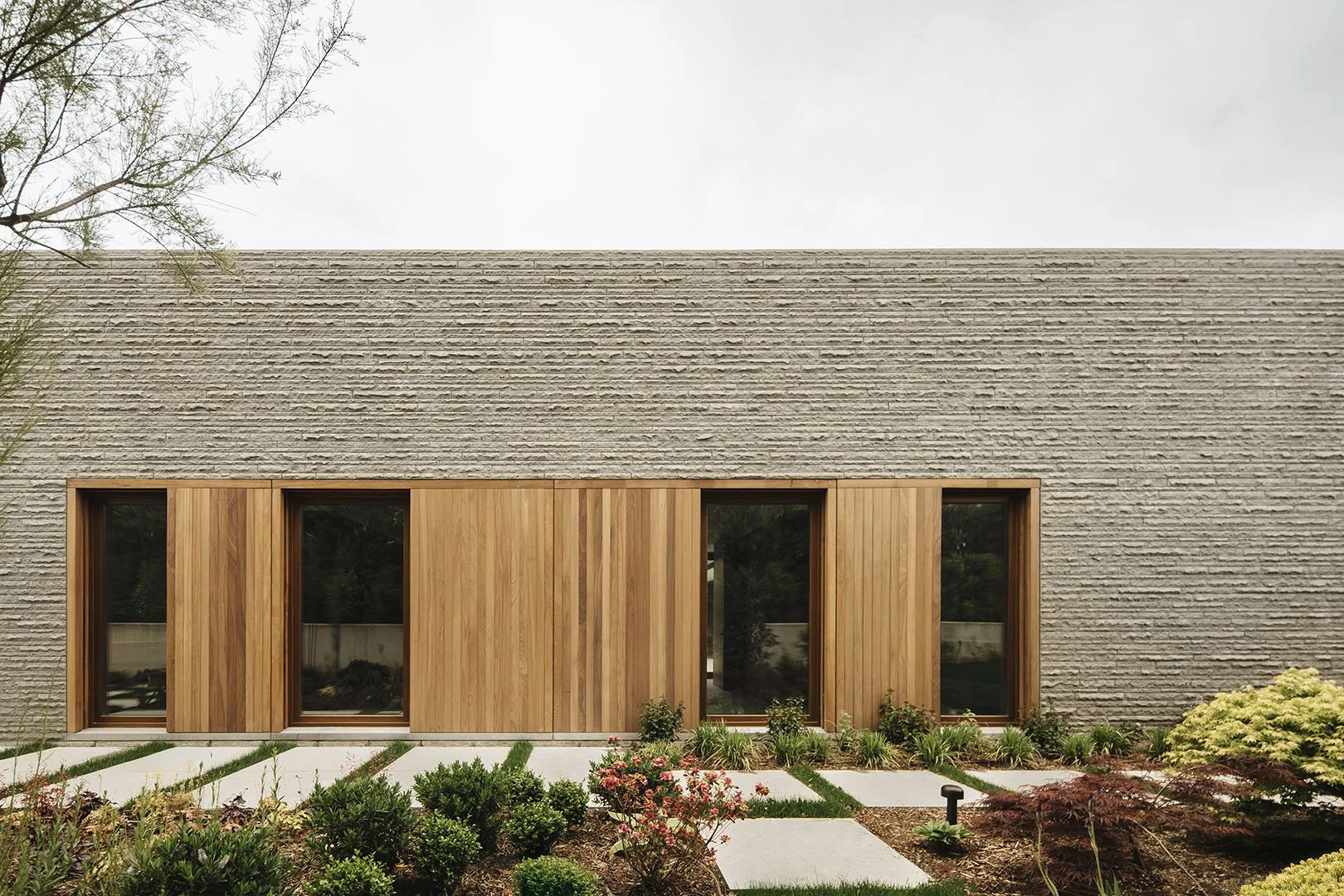
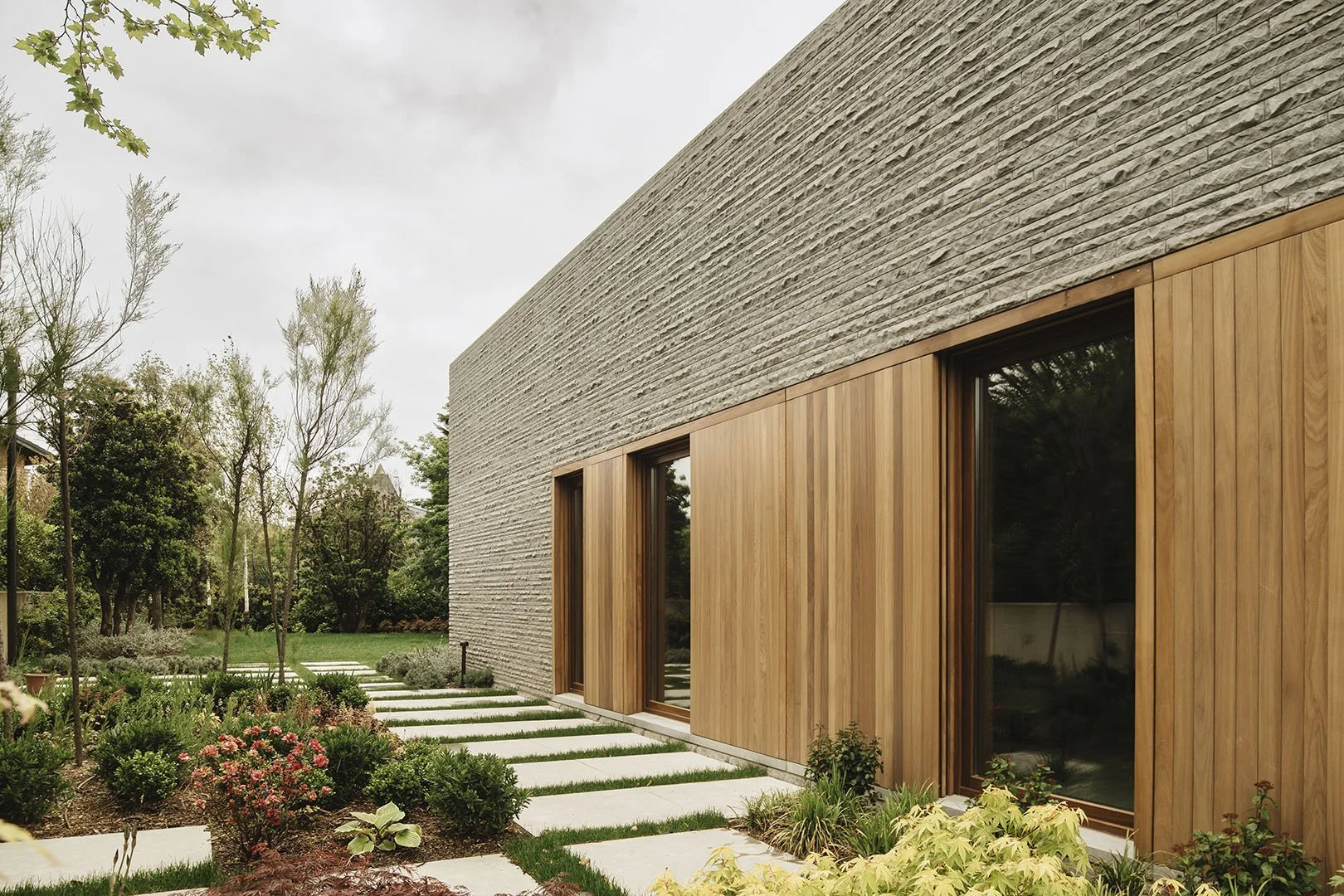
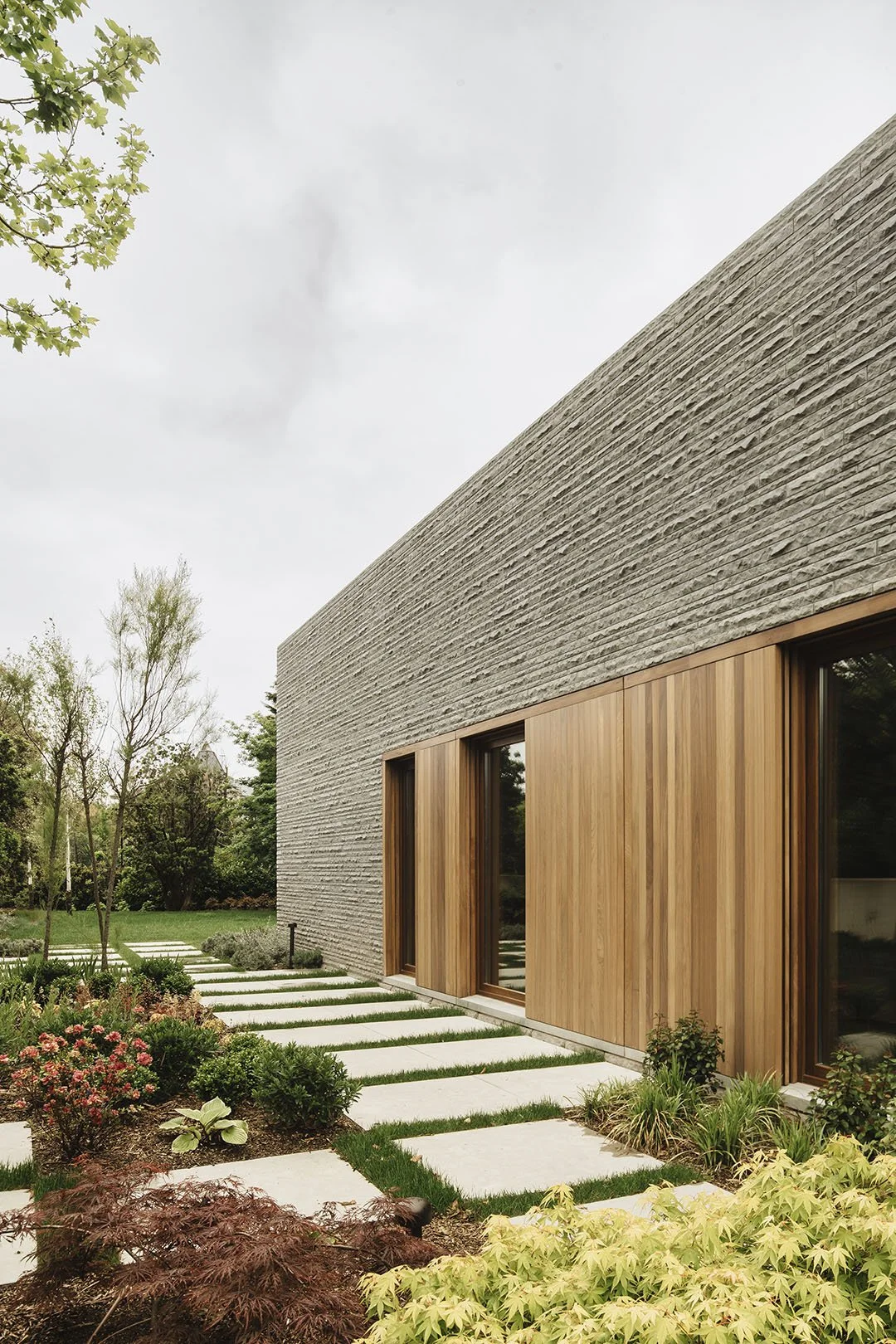
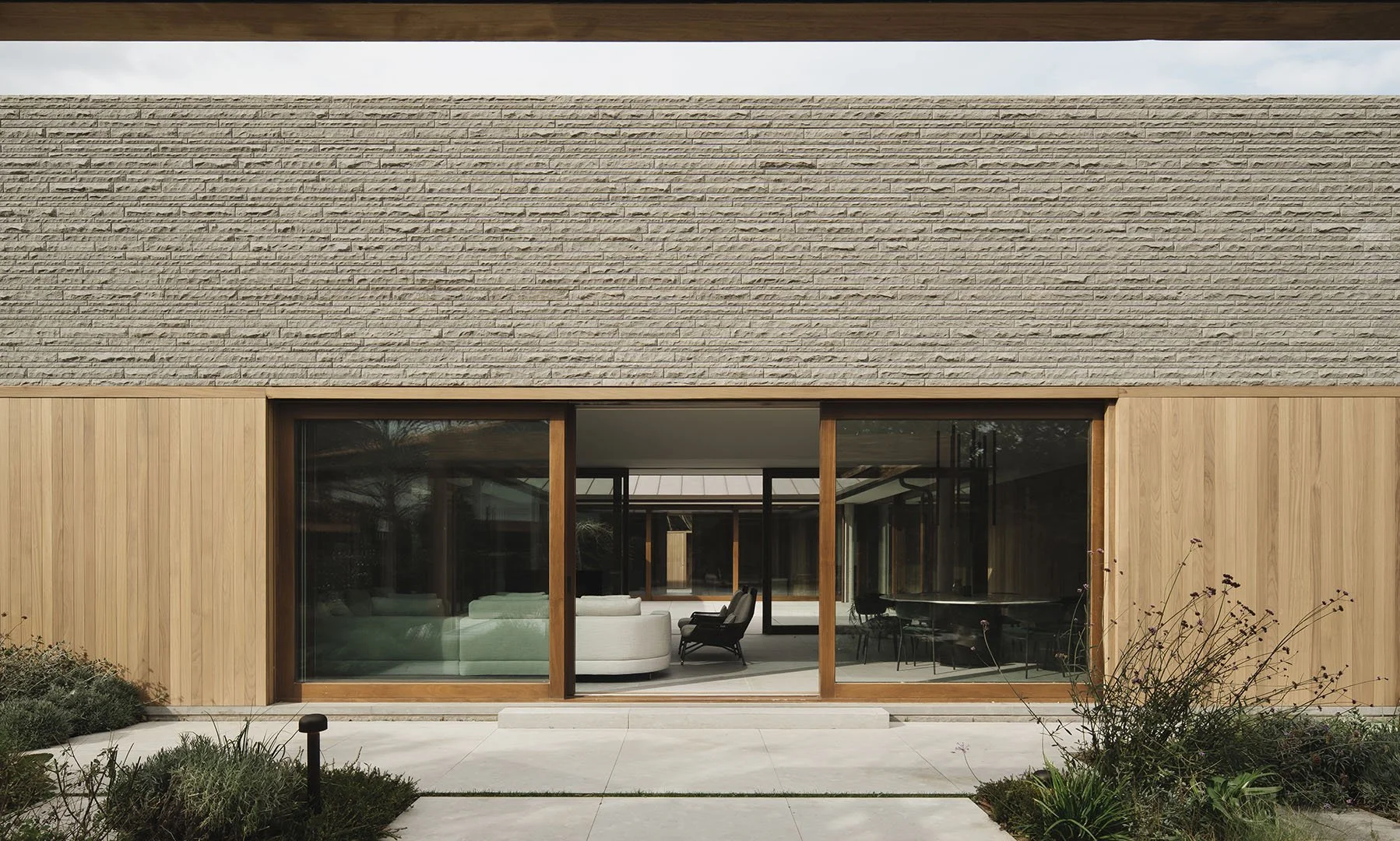
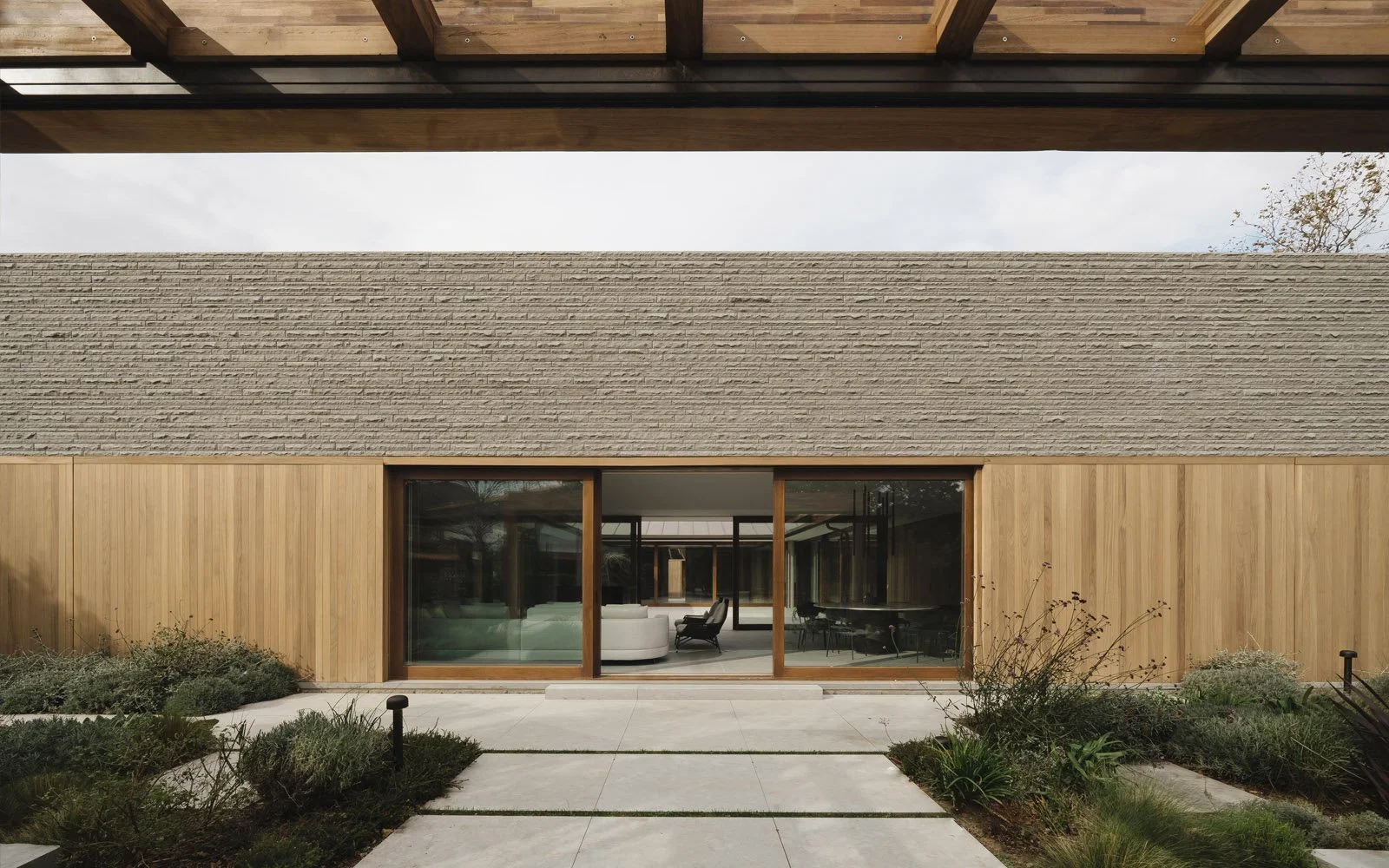
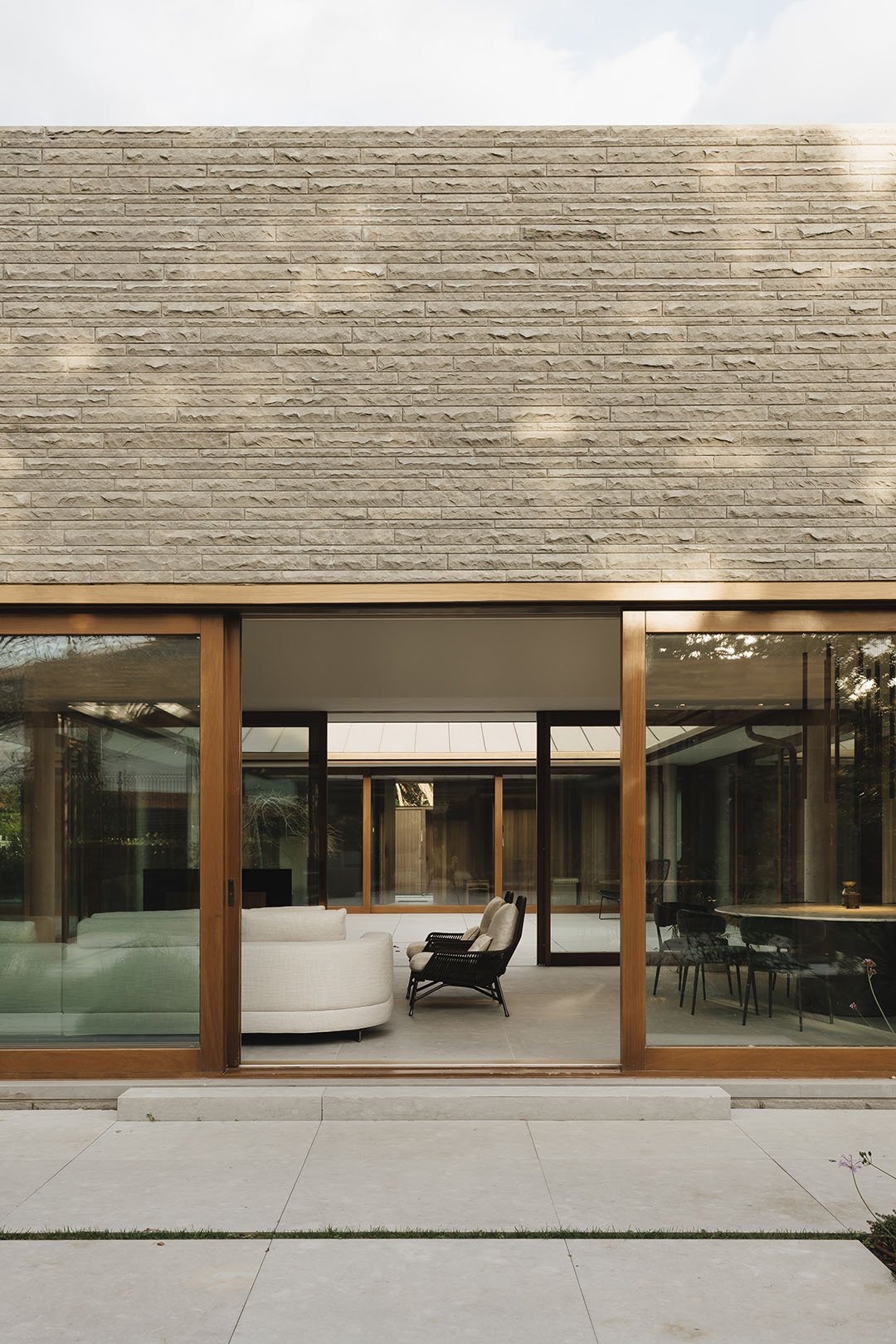
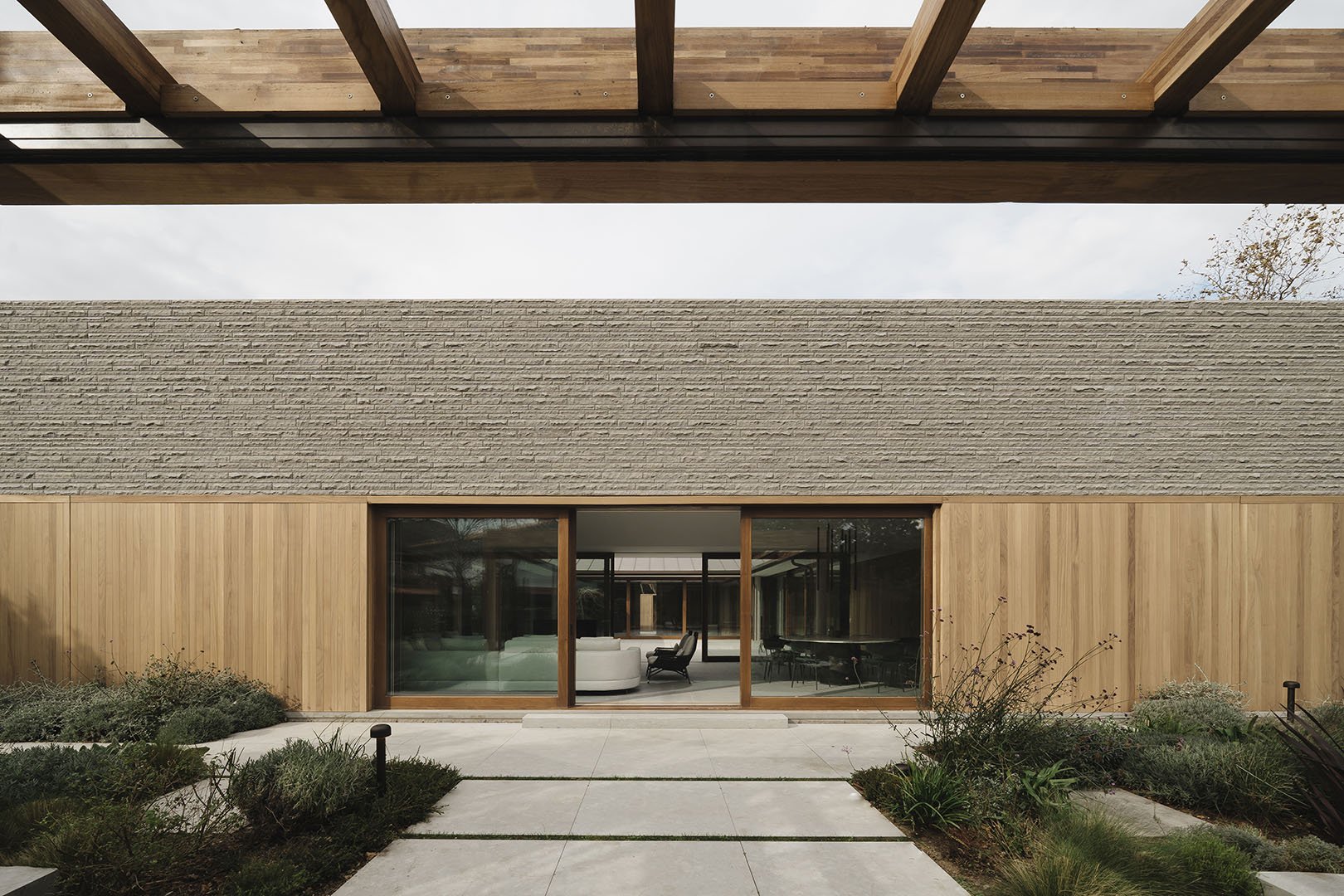
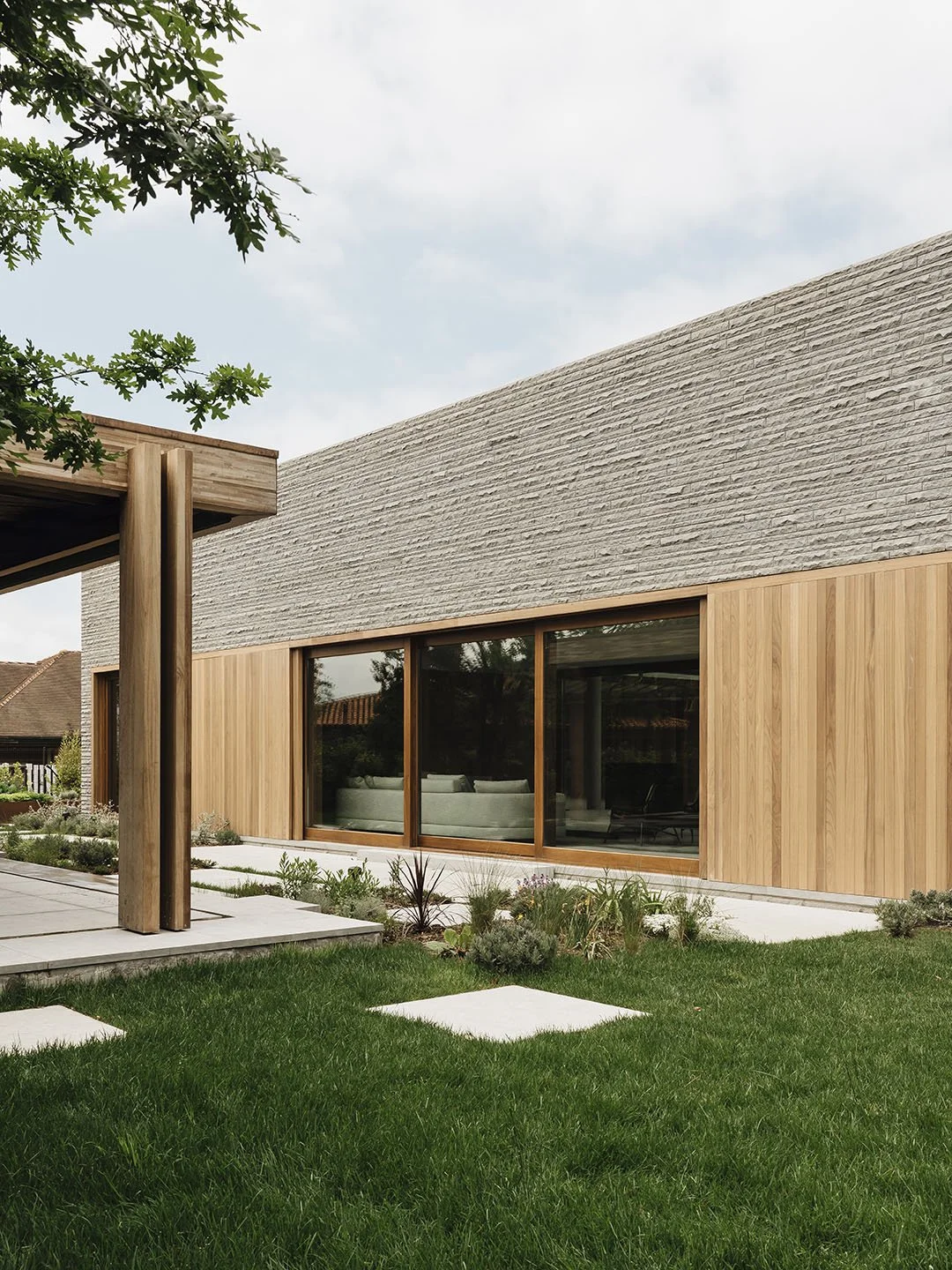
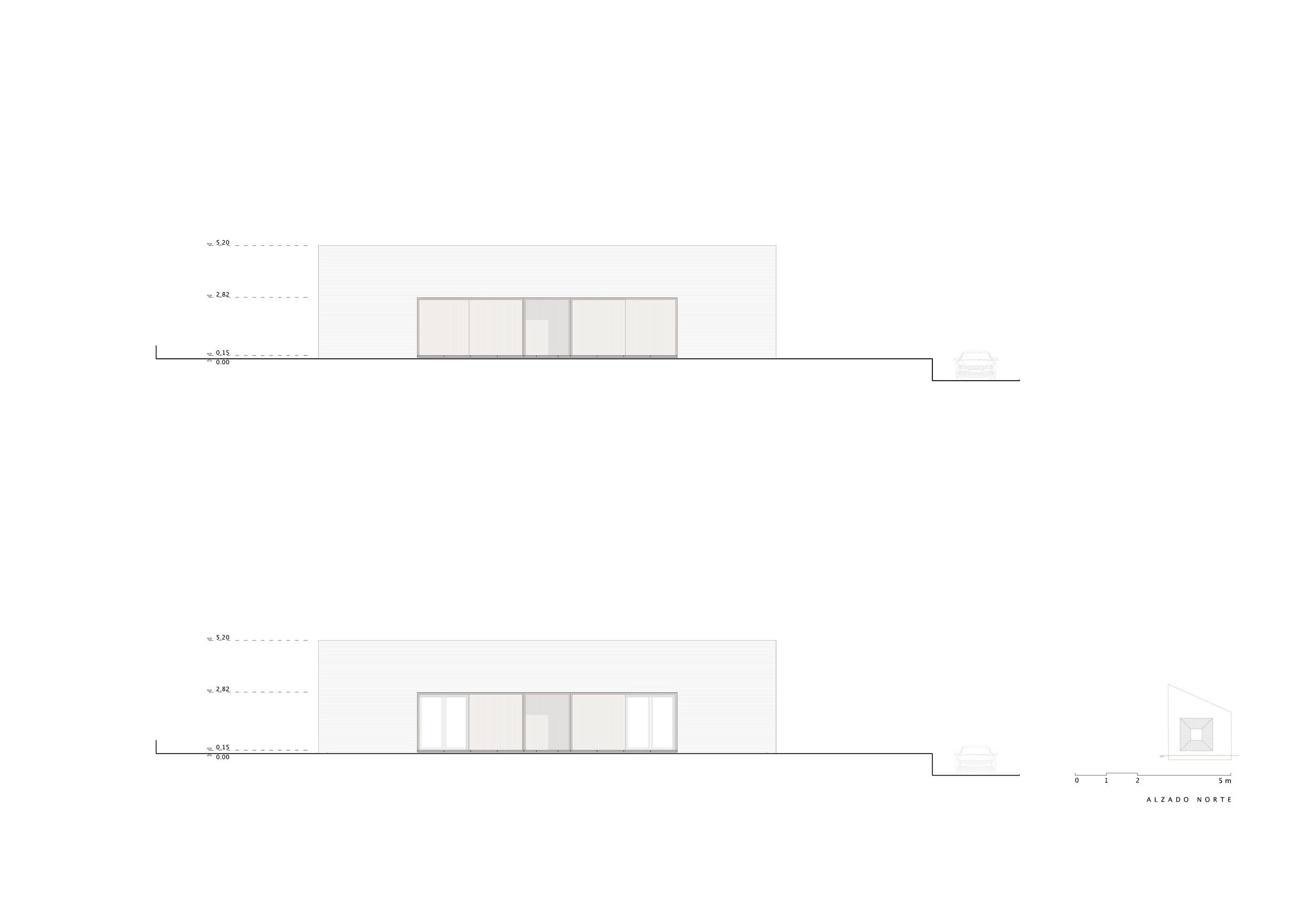
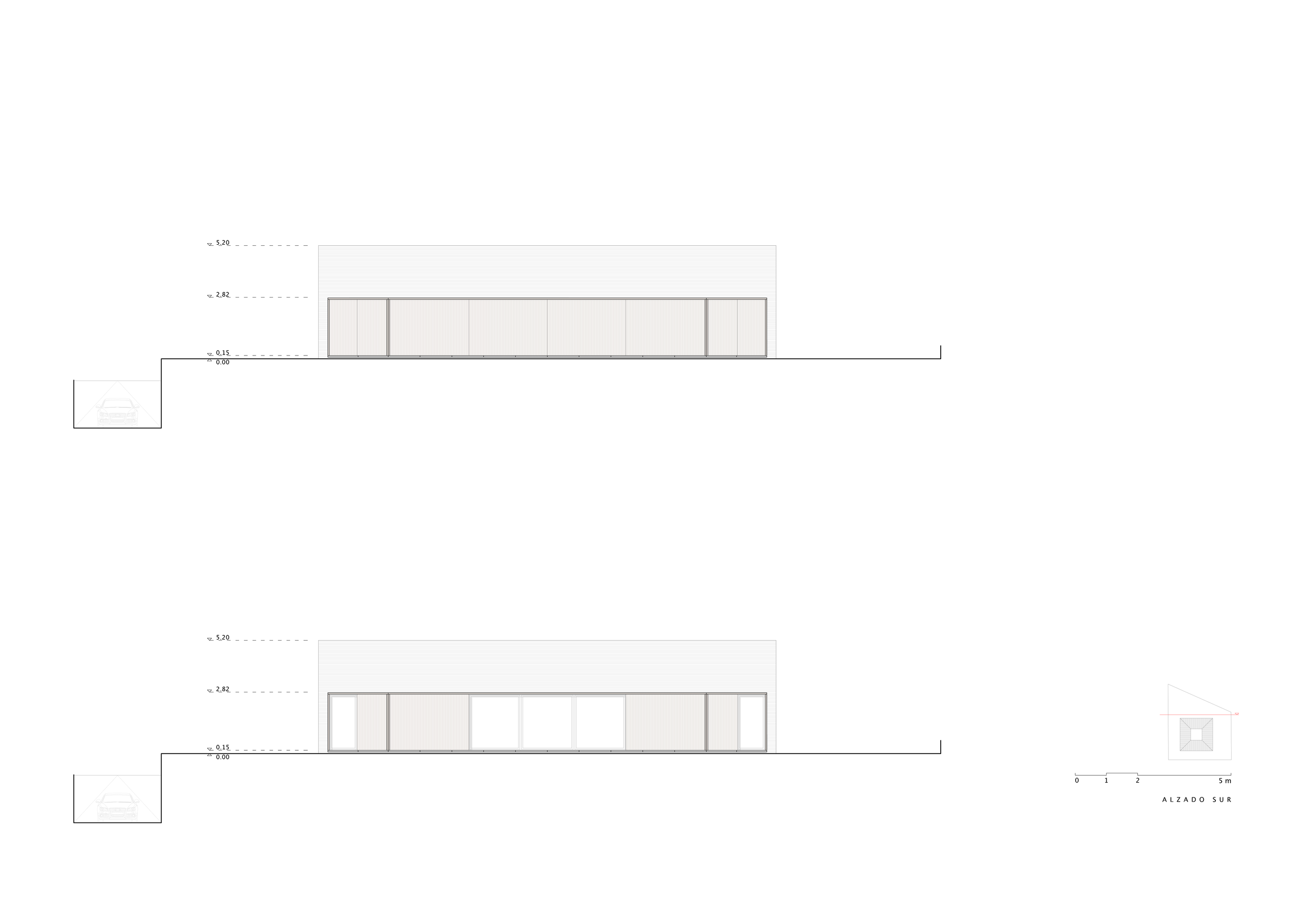
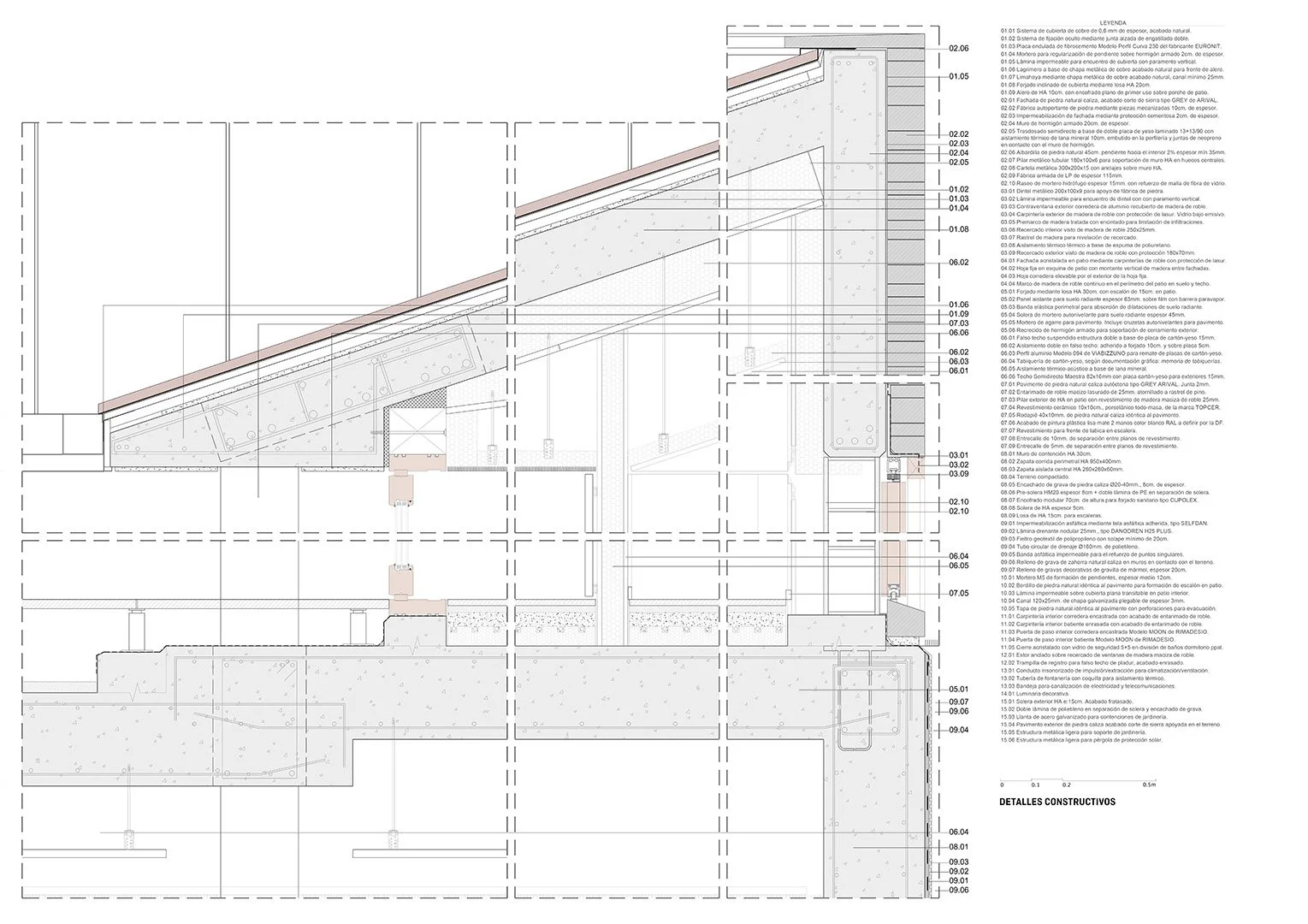
The exterior façade, consistent with its defensive character, is built of Arival limestone ashlar masonry, executed with meticulous craftsmanship and a bush-hammered texture directly on site. To emphasize the abstract nature of the piece, the edges are highlighted and no crowning or finishing elements appear above the volume of the house.
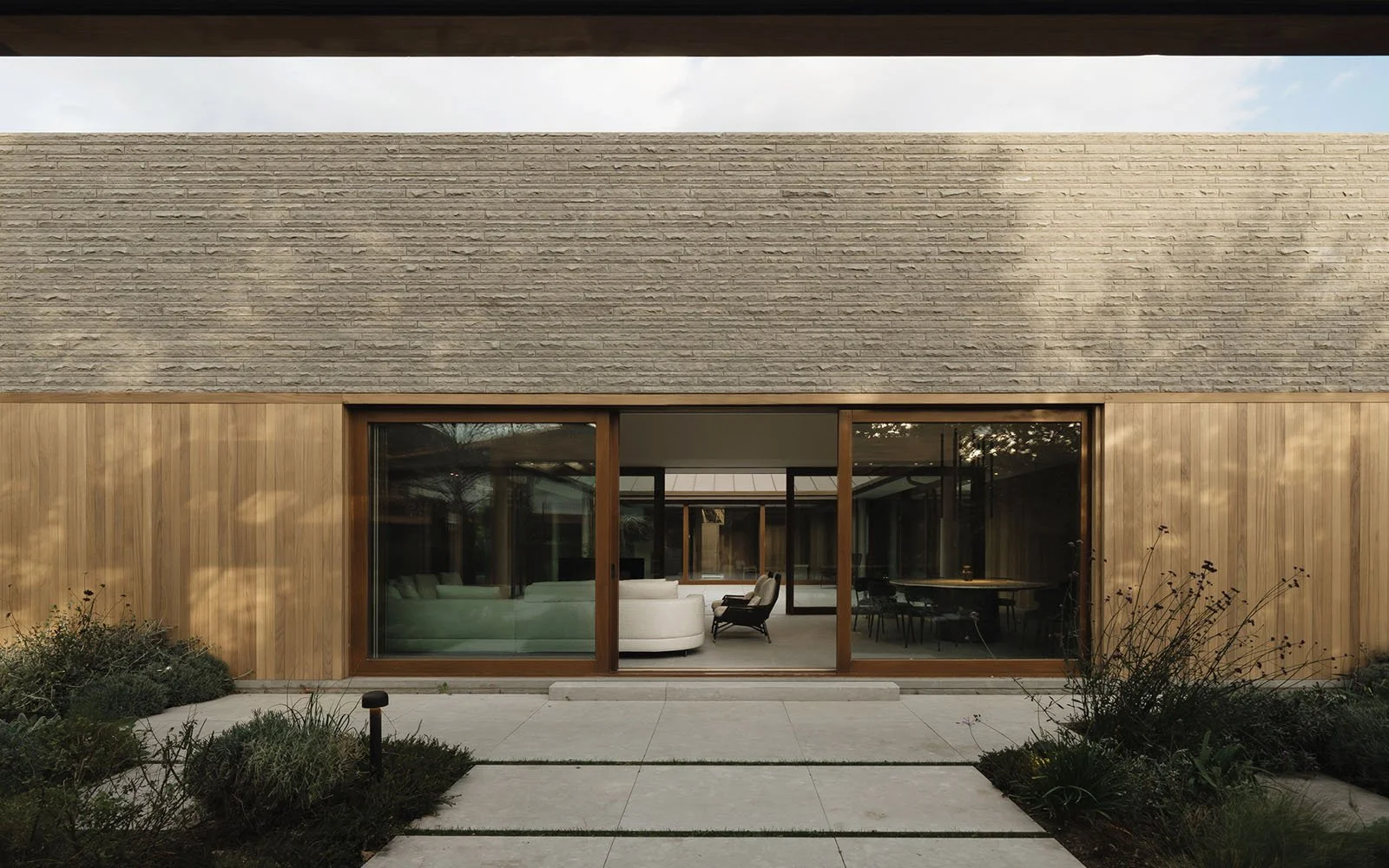
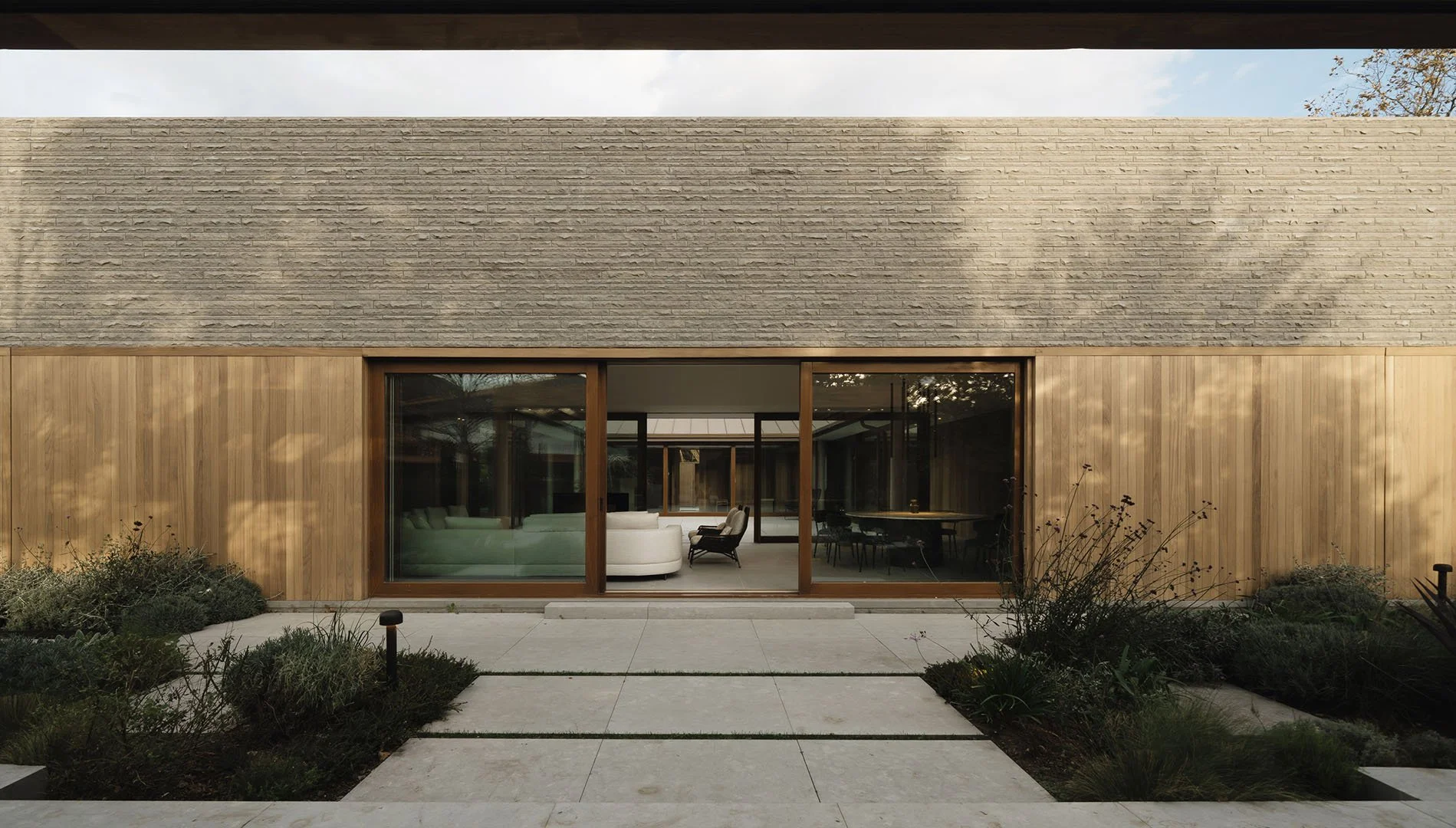
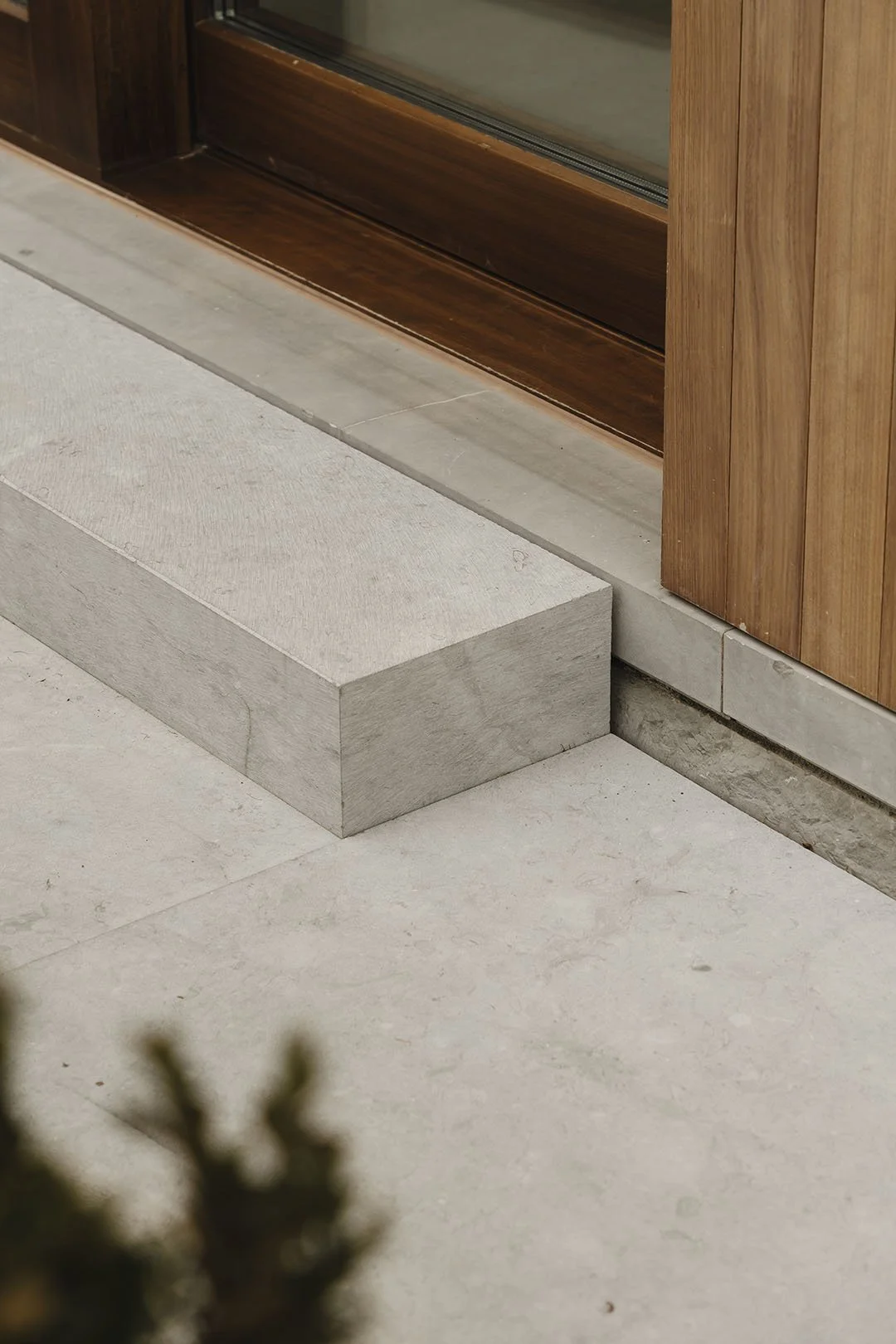
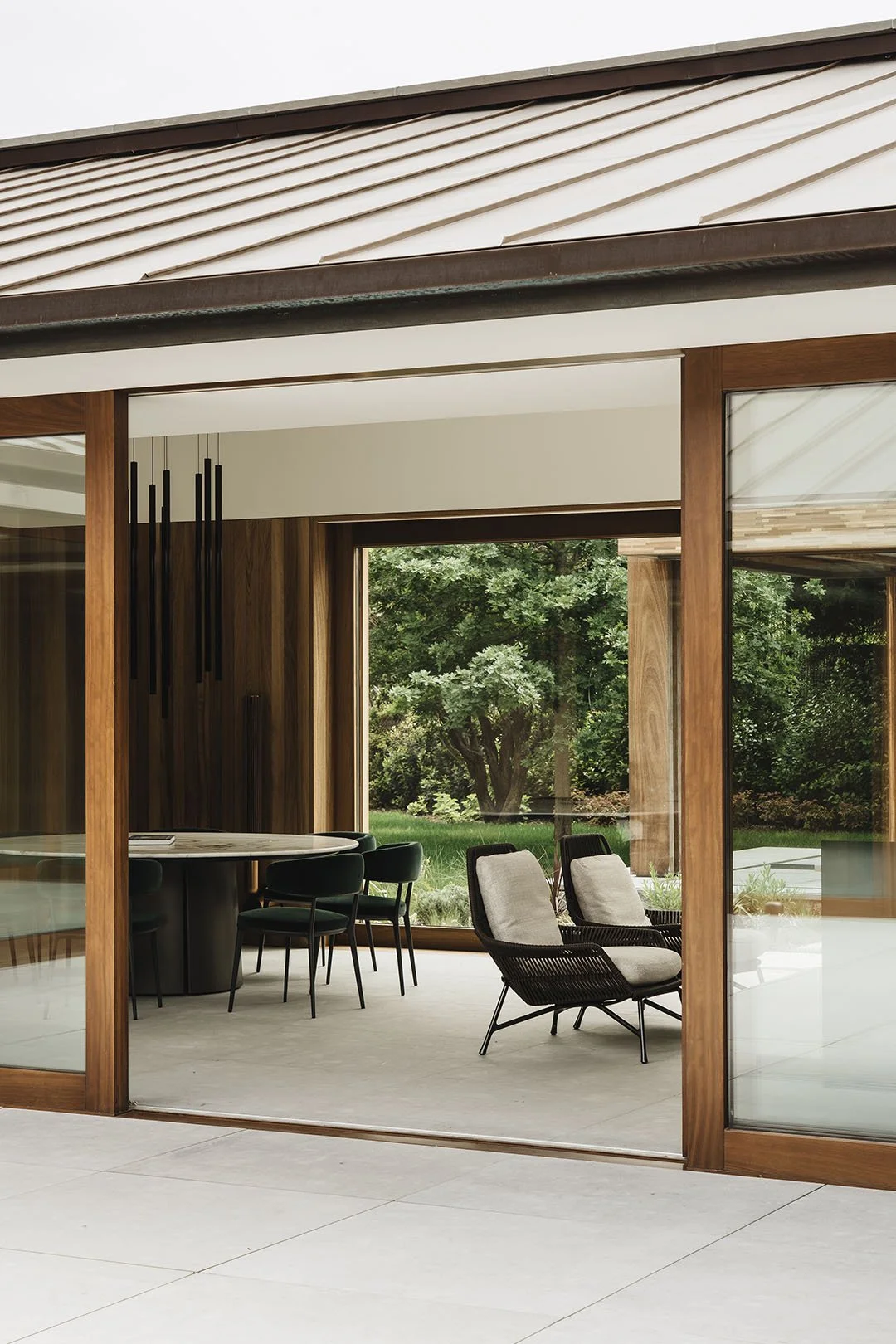
The openings, all fitted with iroko wood frames, emerge in the façade accompanied by sliding wooden shutters made of the same material. This contrast between the strength of the stone and the warmth of the wood provides a balanced counterpoint. Steps, copings, sills, and all auxiliary pieces are likewise made of Arival stone, designed with care and crafted almost artisanally.
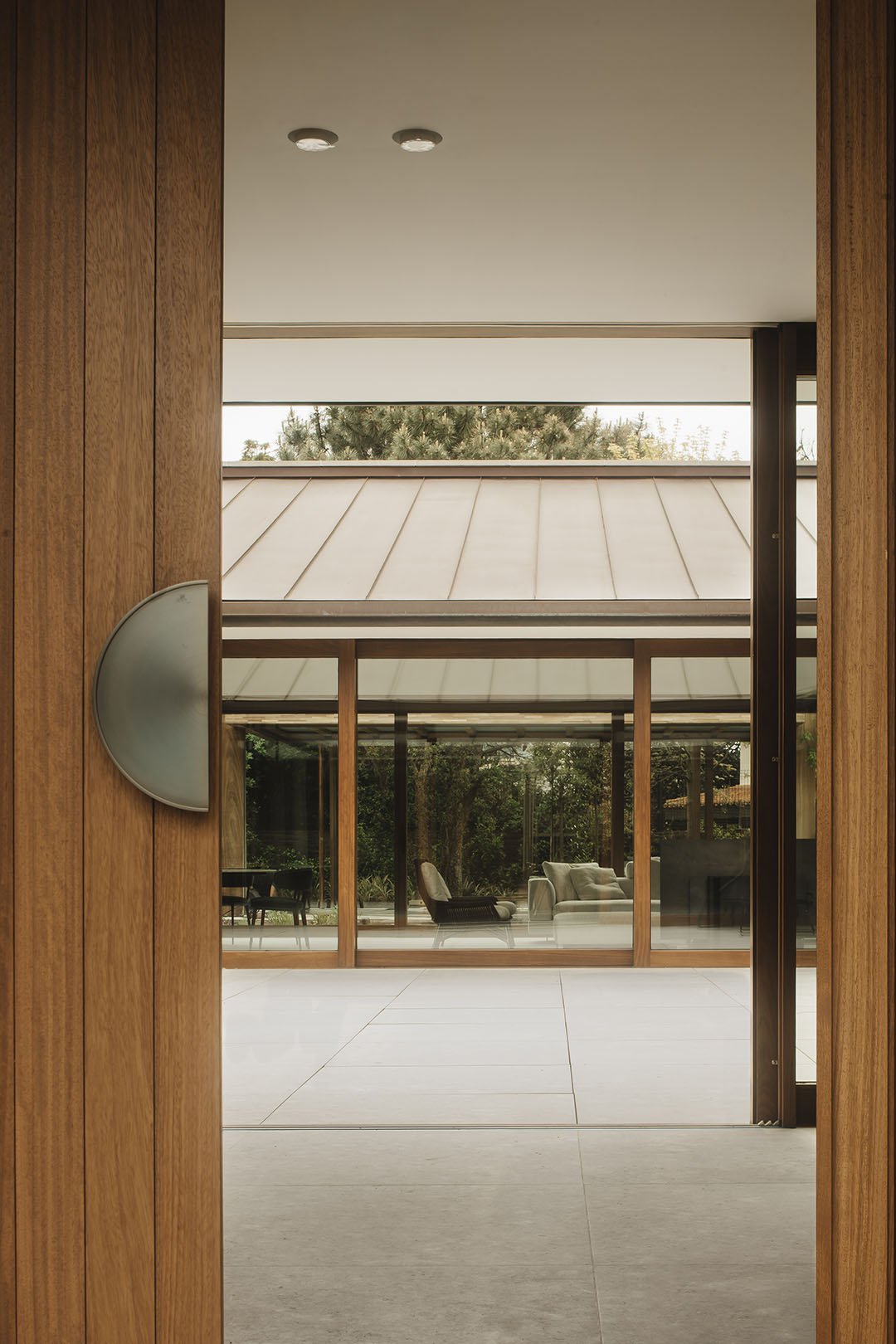
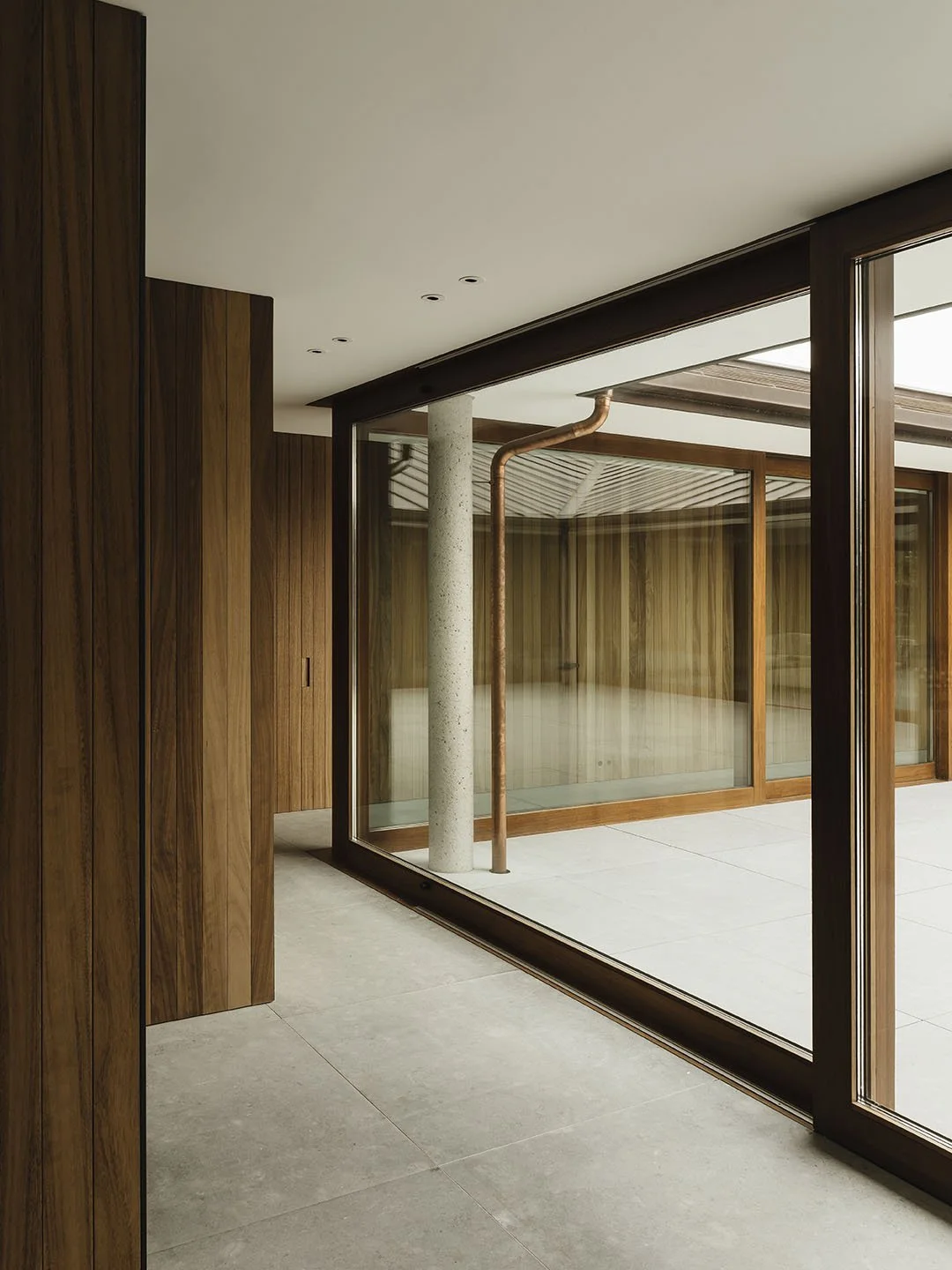
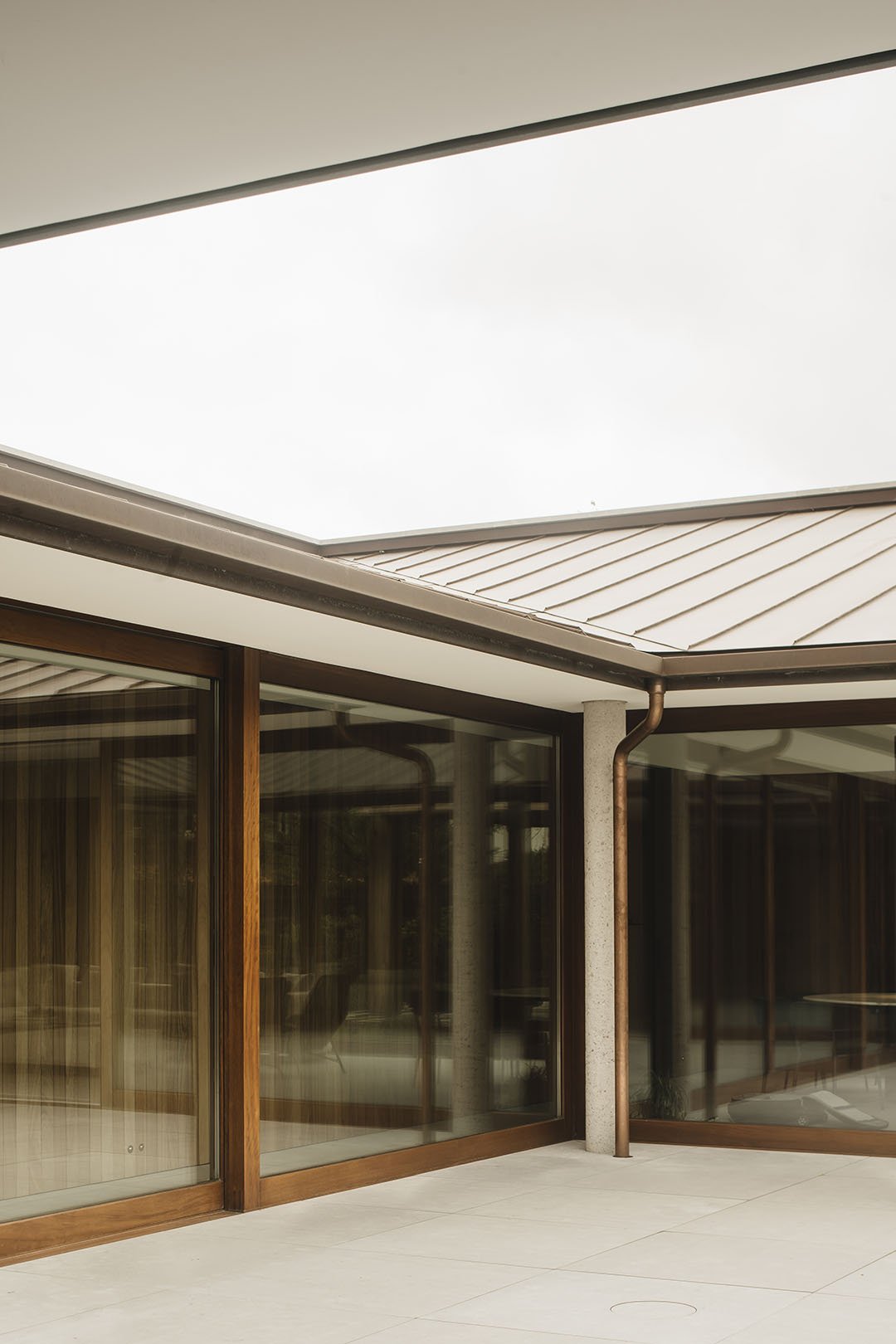
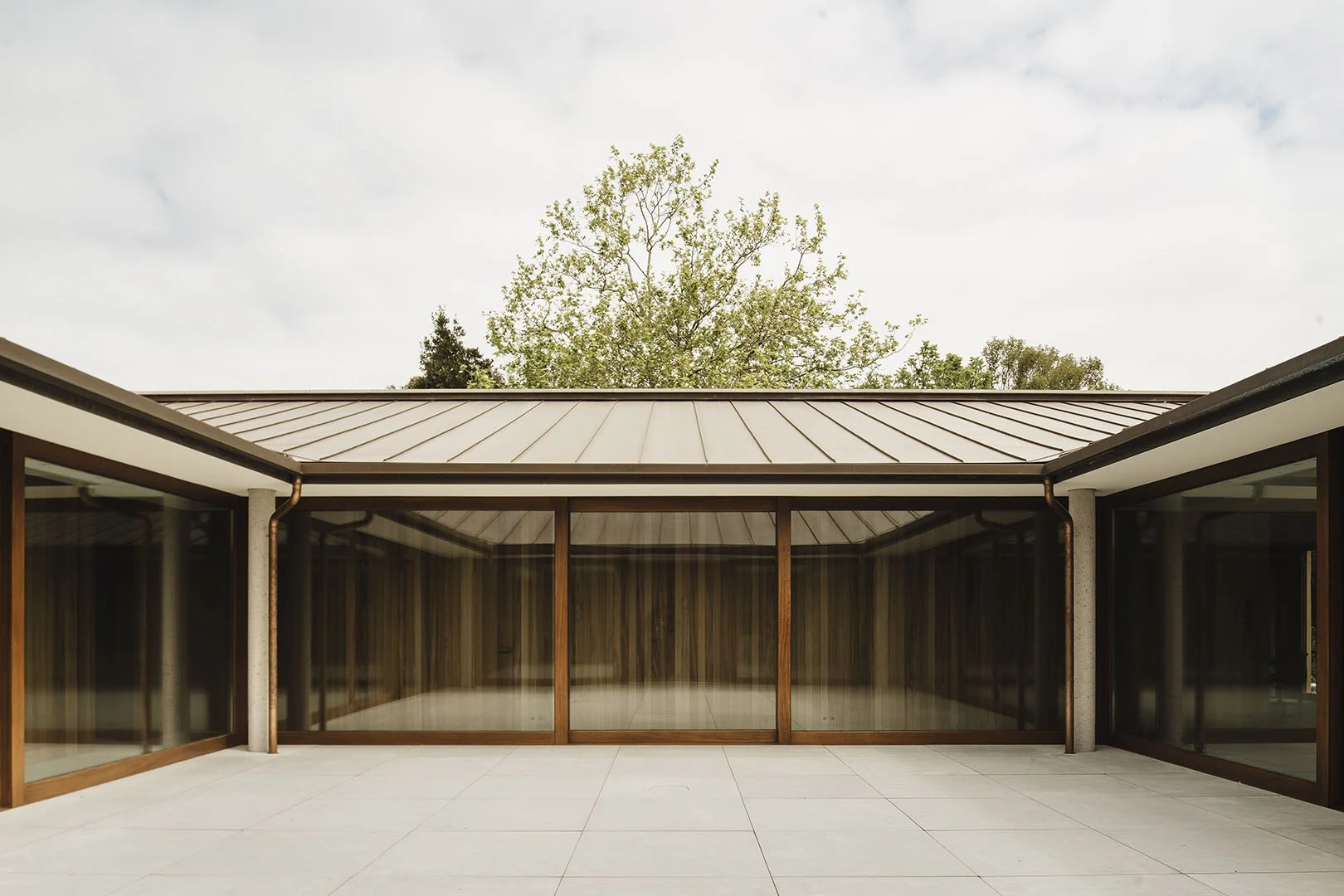
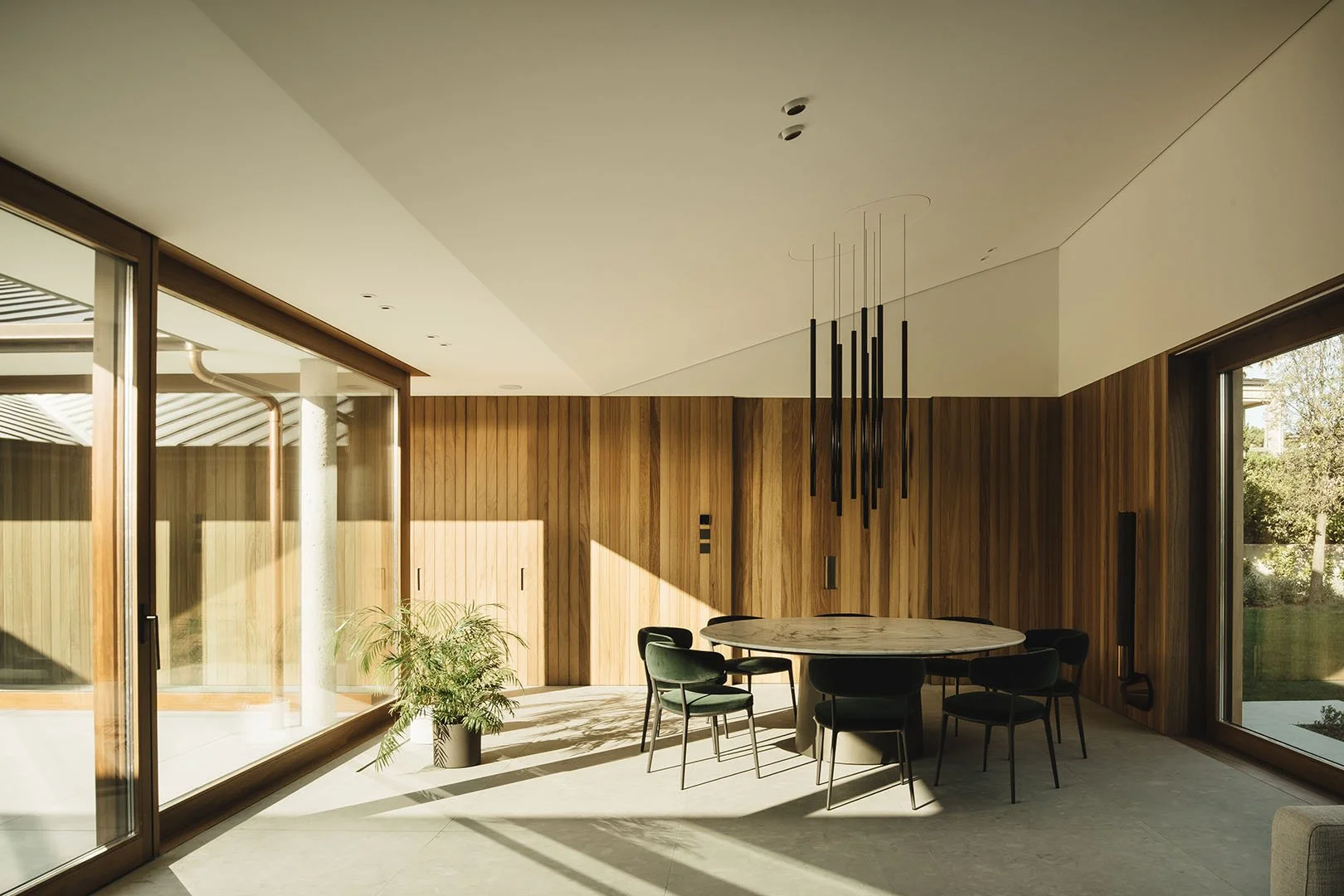
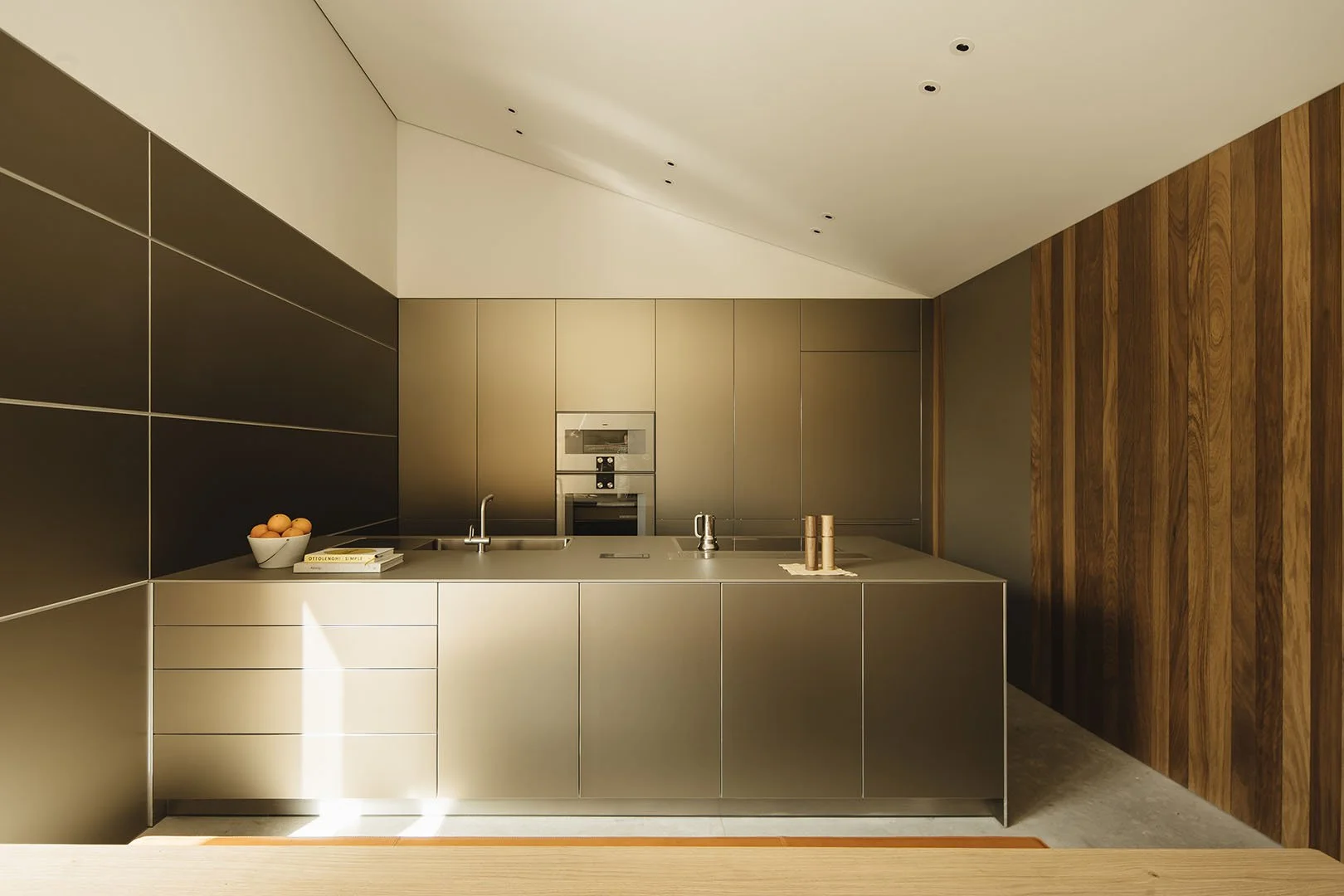
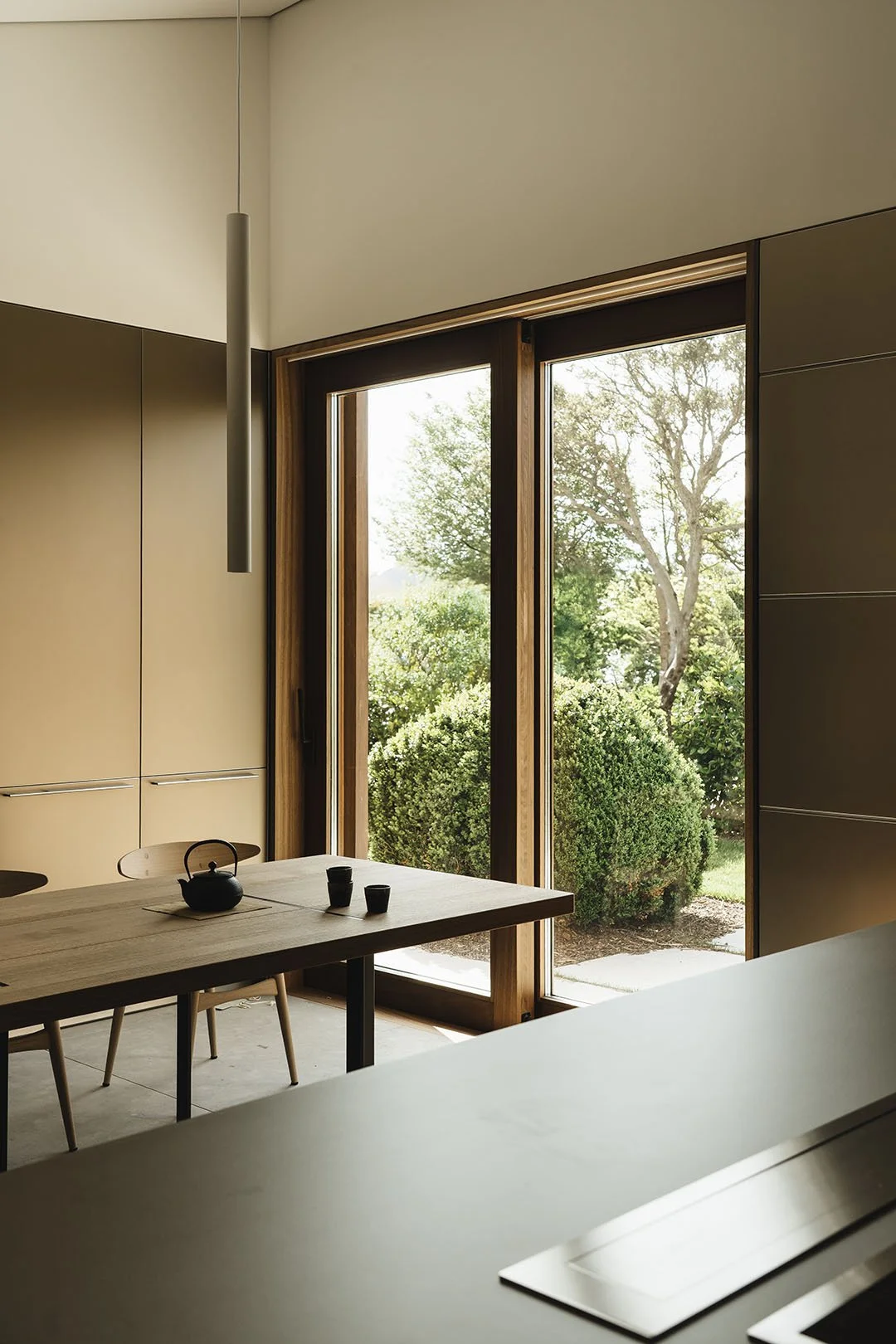
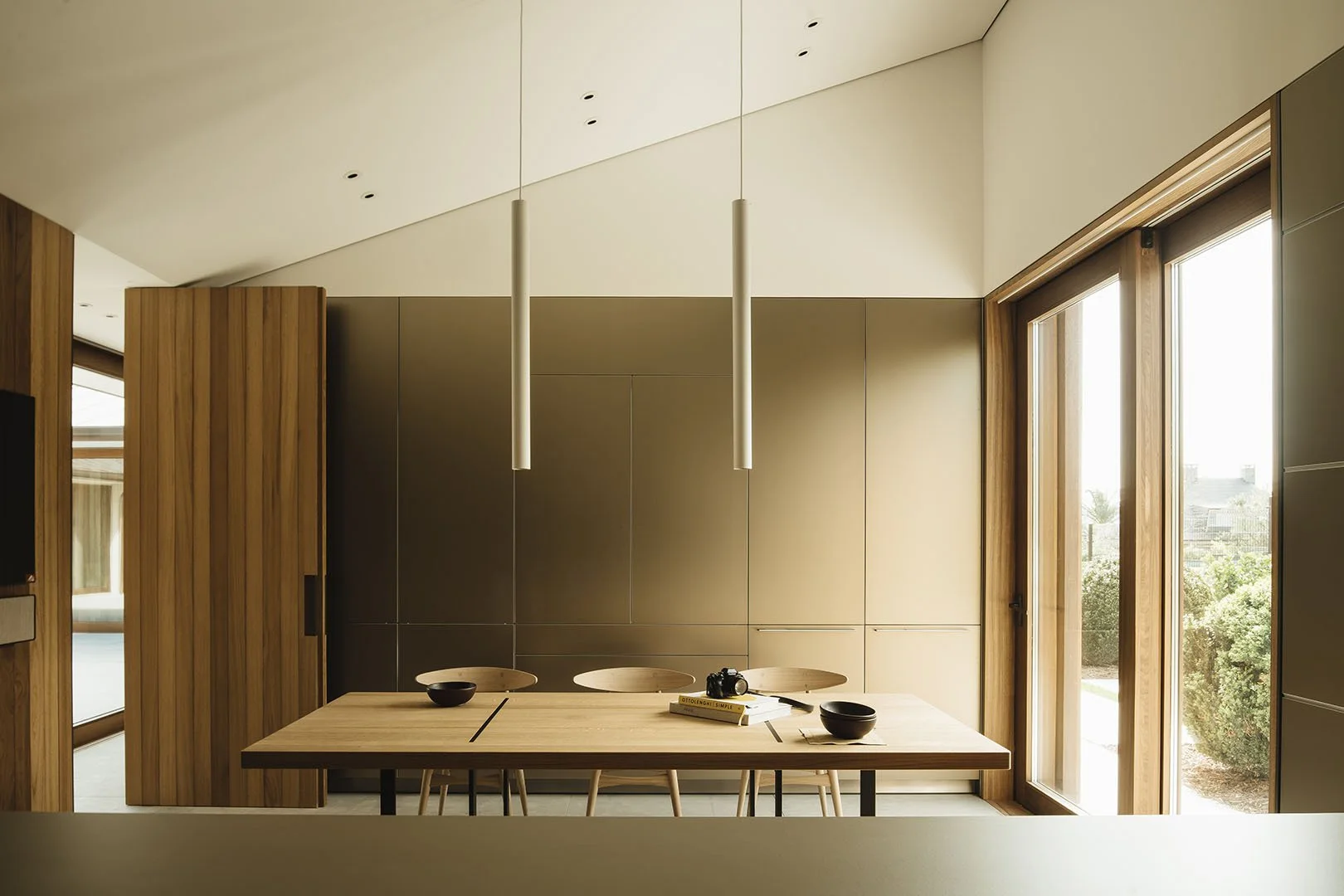
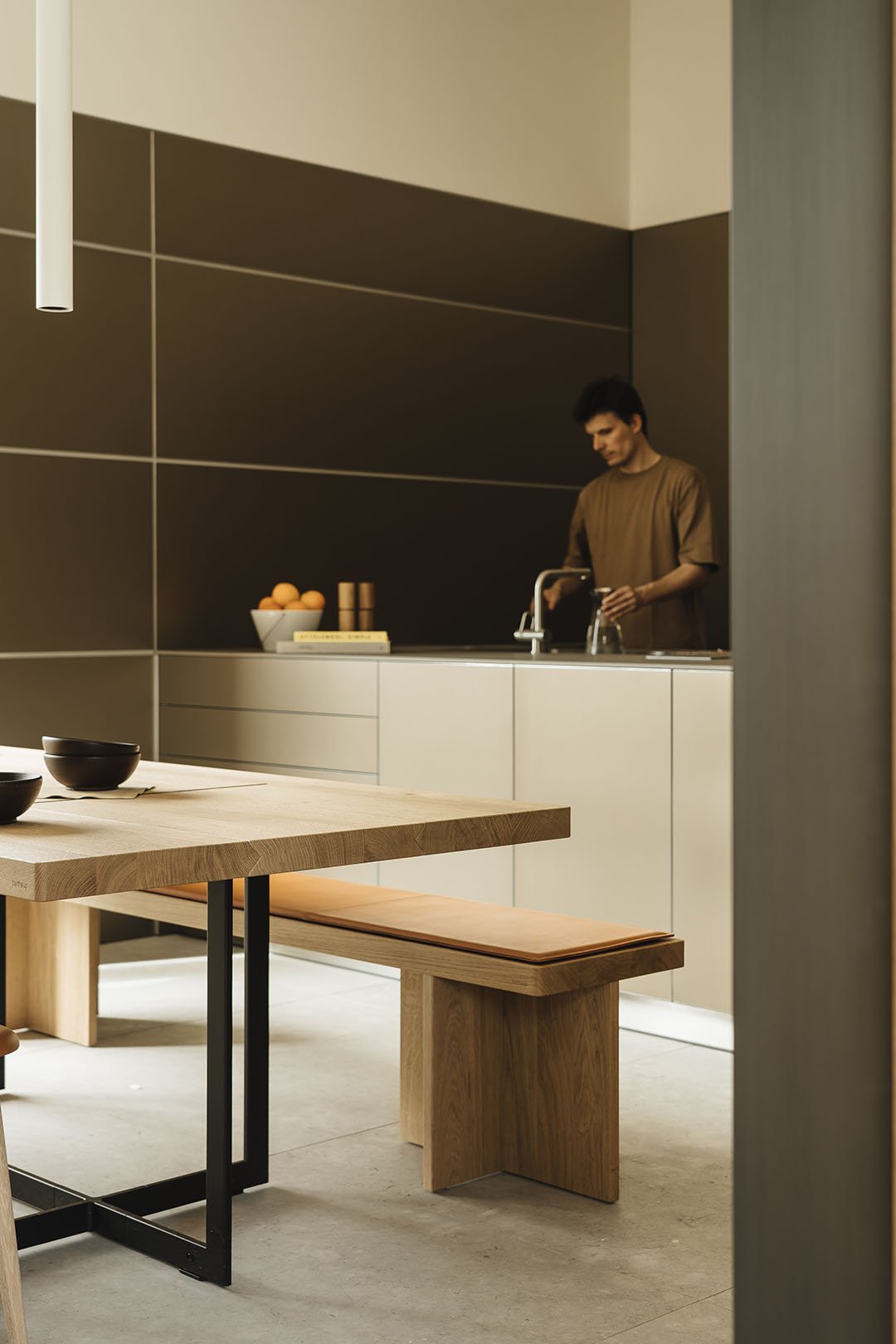
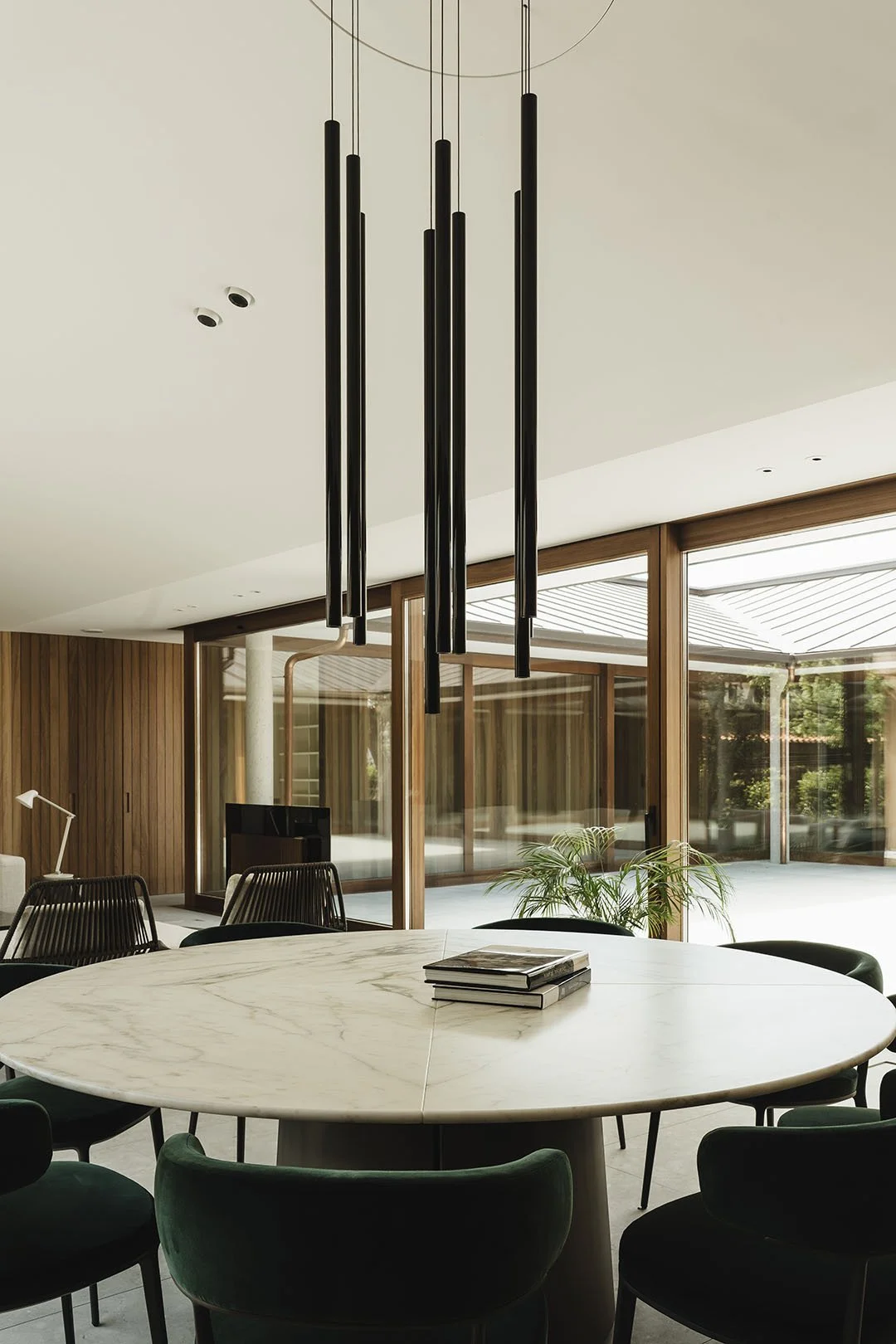
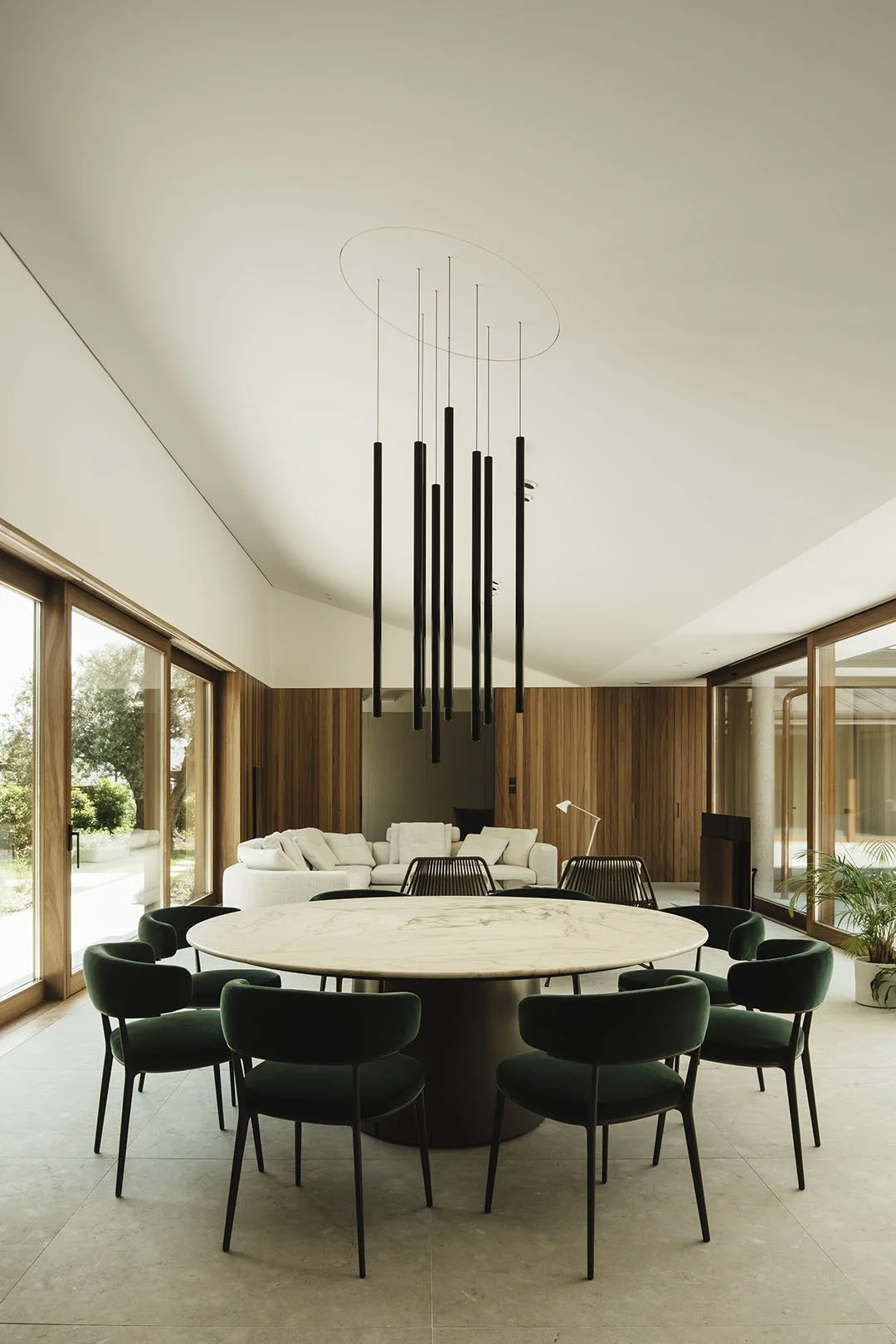
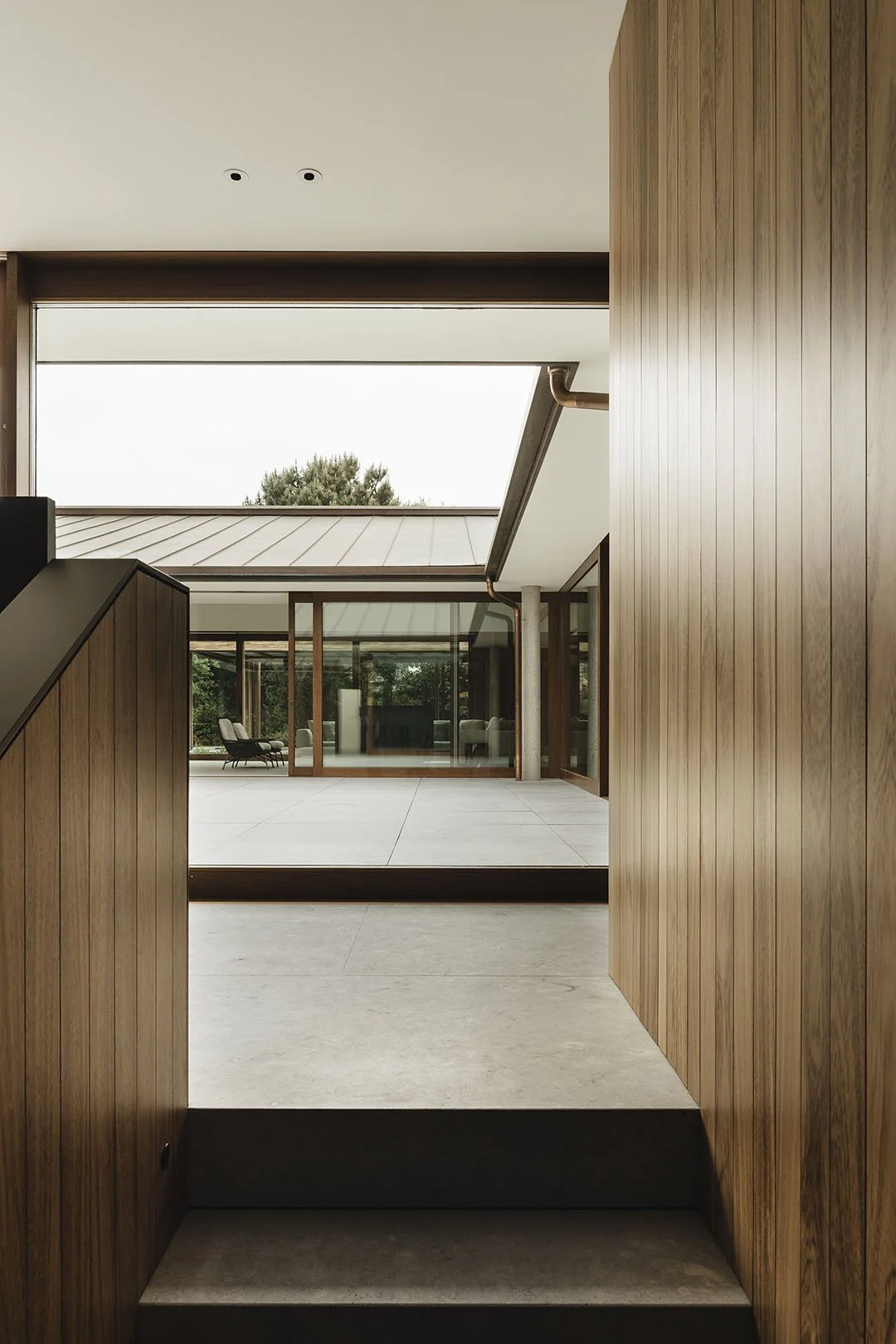
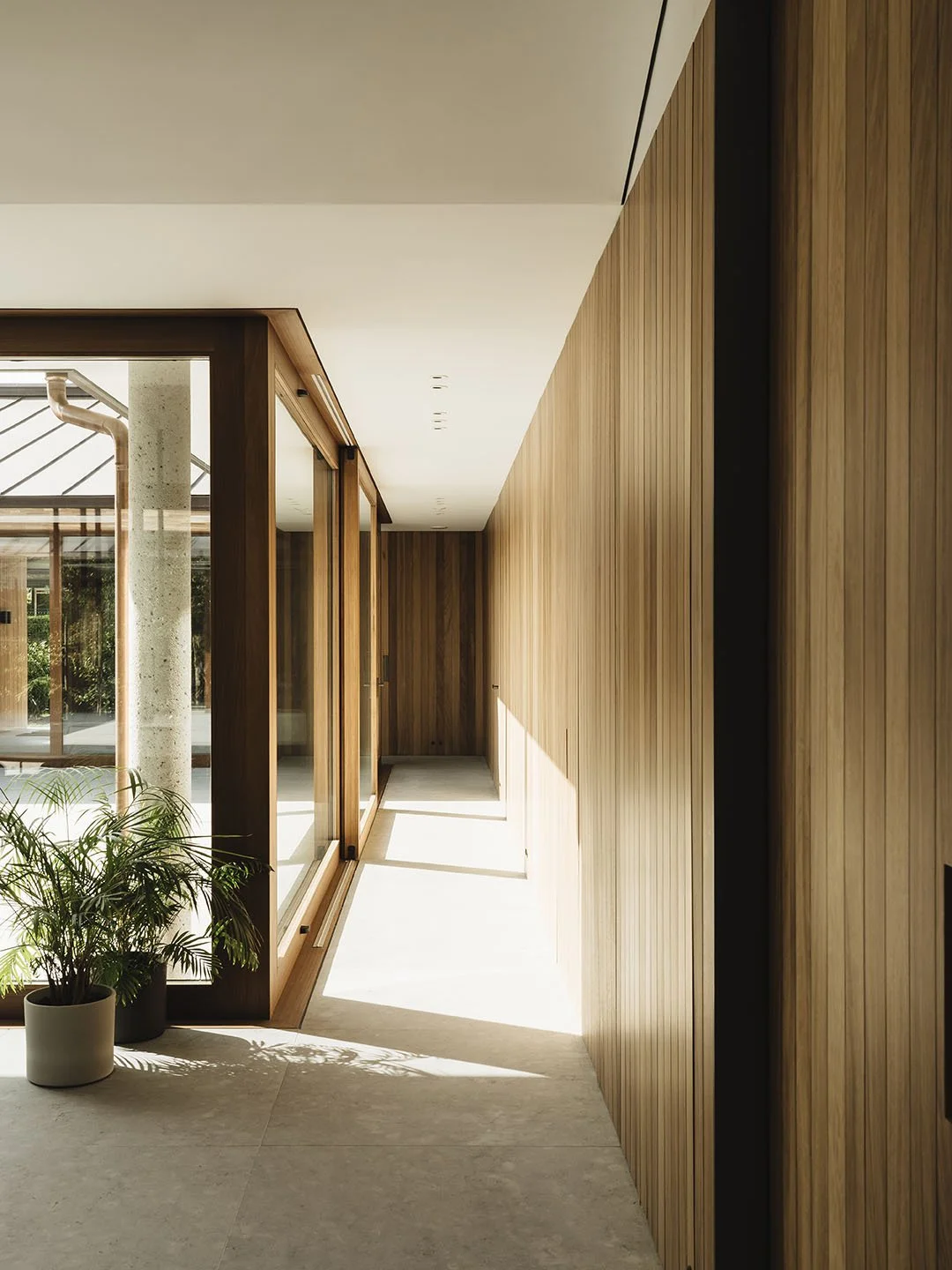
While the façade is more hermetic, the interior fills with light thanks to the central courtyard. In contrast to the exterior, this space is completely glazed: its entire perimeter is defined by large sliding windows. Thus, the entrance hall and the living room face each other across the courtyard, which enhances the perception of depth and continuity within the space. Along the sides of the patio run the corridors that lead to the various rooms, while at the corners of the prism are located other distinctive spaces such as the kitchen —on the north side—, and the study and TV room —on the south side.
The roof of the house also plays a fundamental role, as its sloping surface towards the patio is visible from every point within the dwelling. In line with the natural character of the materials —stone and wood—, it is built with standing seam copper sheets. The reddish tone of the copper harmonizes with the warm hues of the iroko wood where they meet around the courtyard.
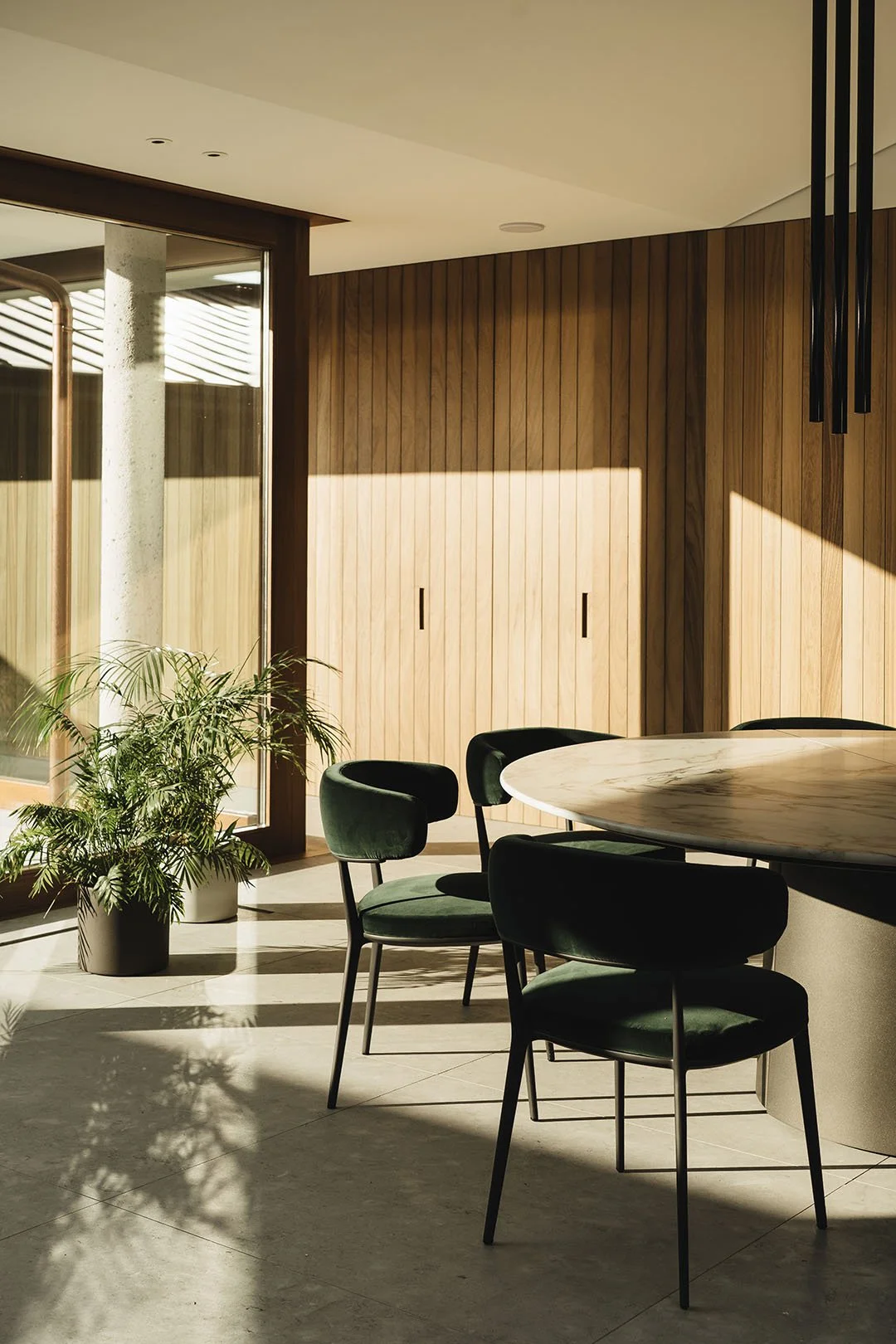
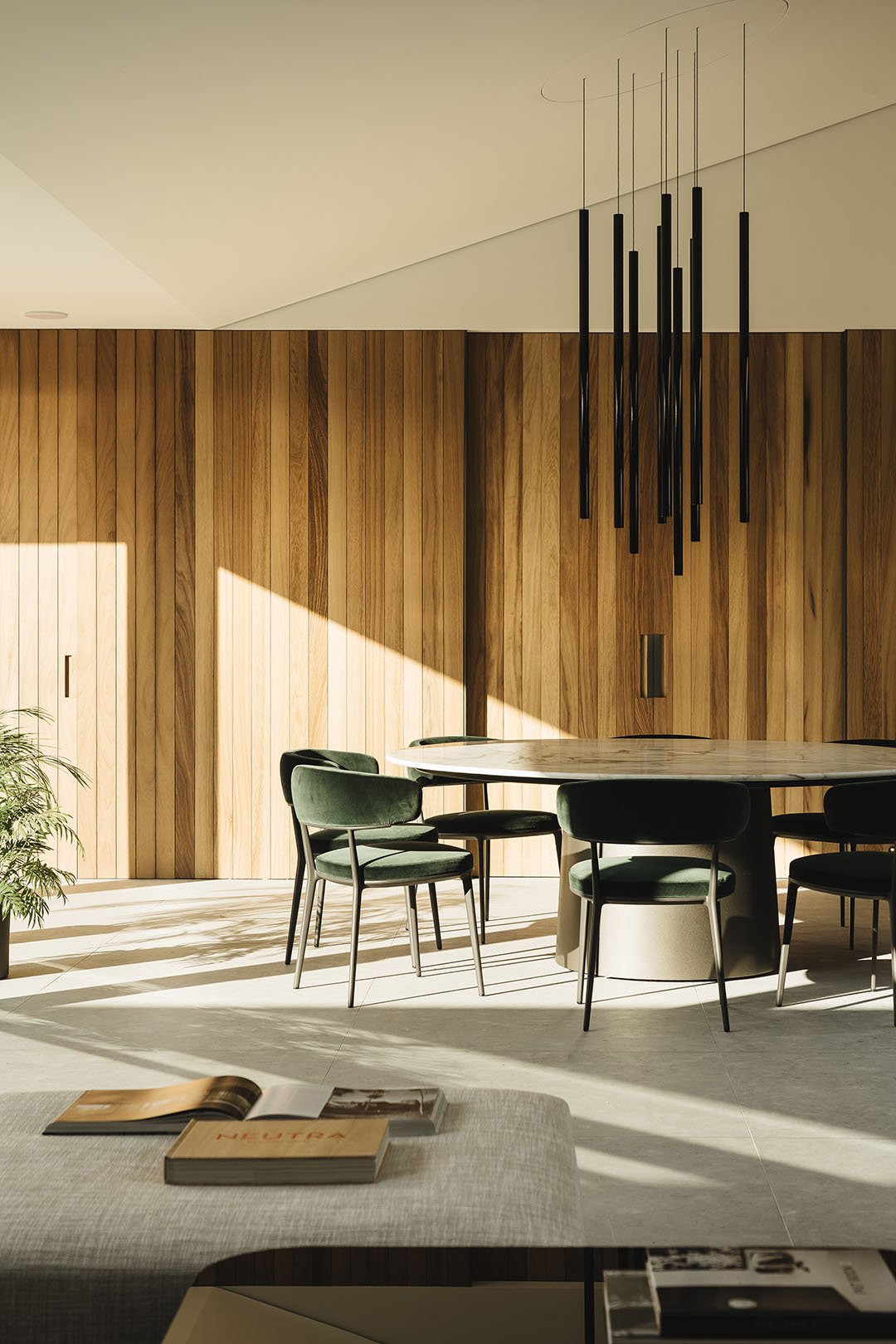
The interior follows the same material coherence, emphasizing the natural finishes without excessive ornamentation. The walls are clad with iroko boards that integrate the doors of the various rooms, while the ceilings remain white. All flooring —both indoors and in the patio— is laid with large-format Arival limestone slabs, reinforcing the sense of base and continuity between house and courtyard.
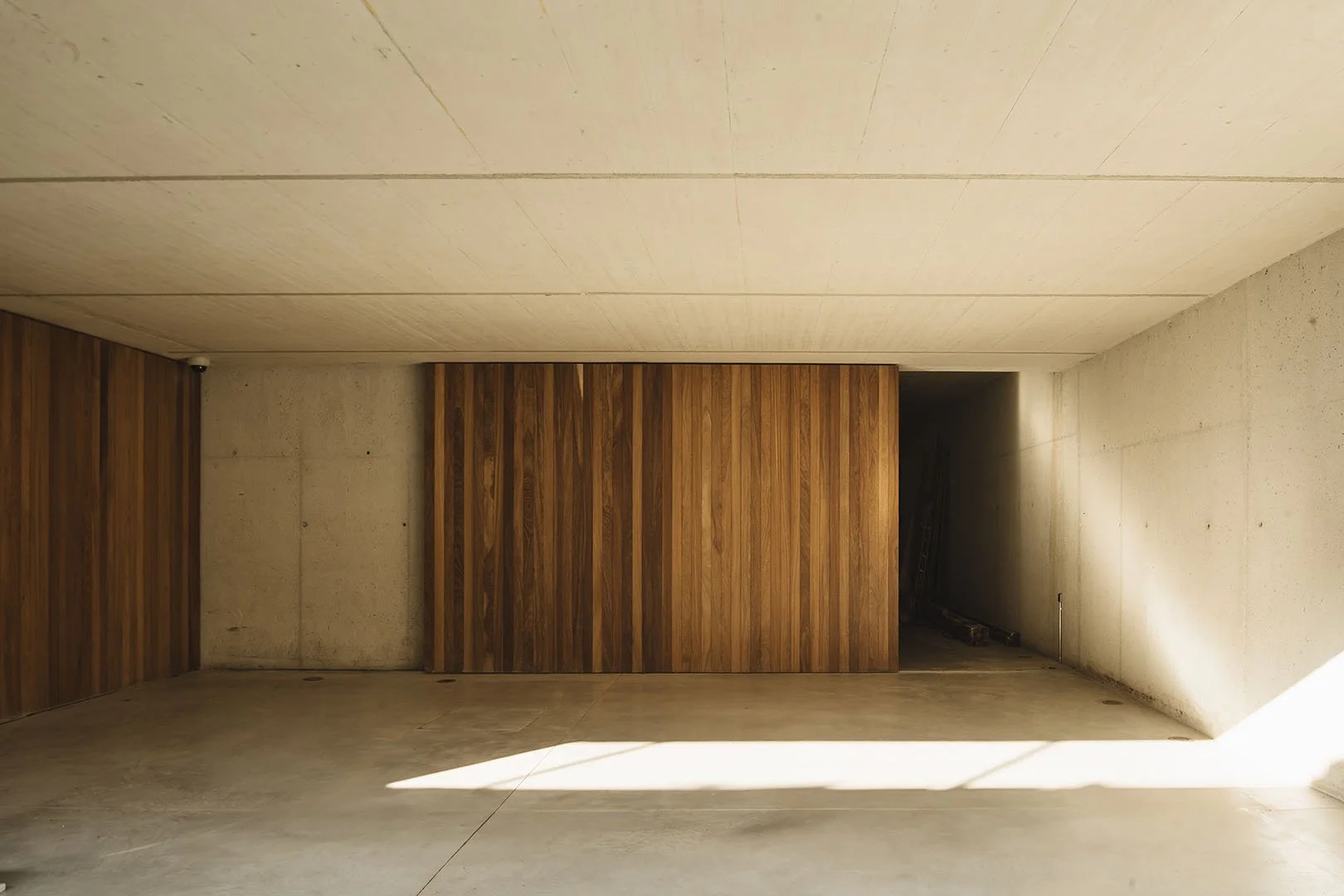
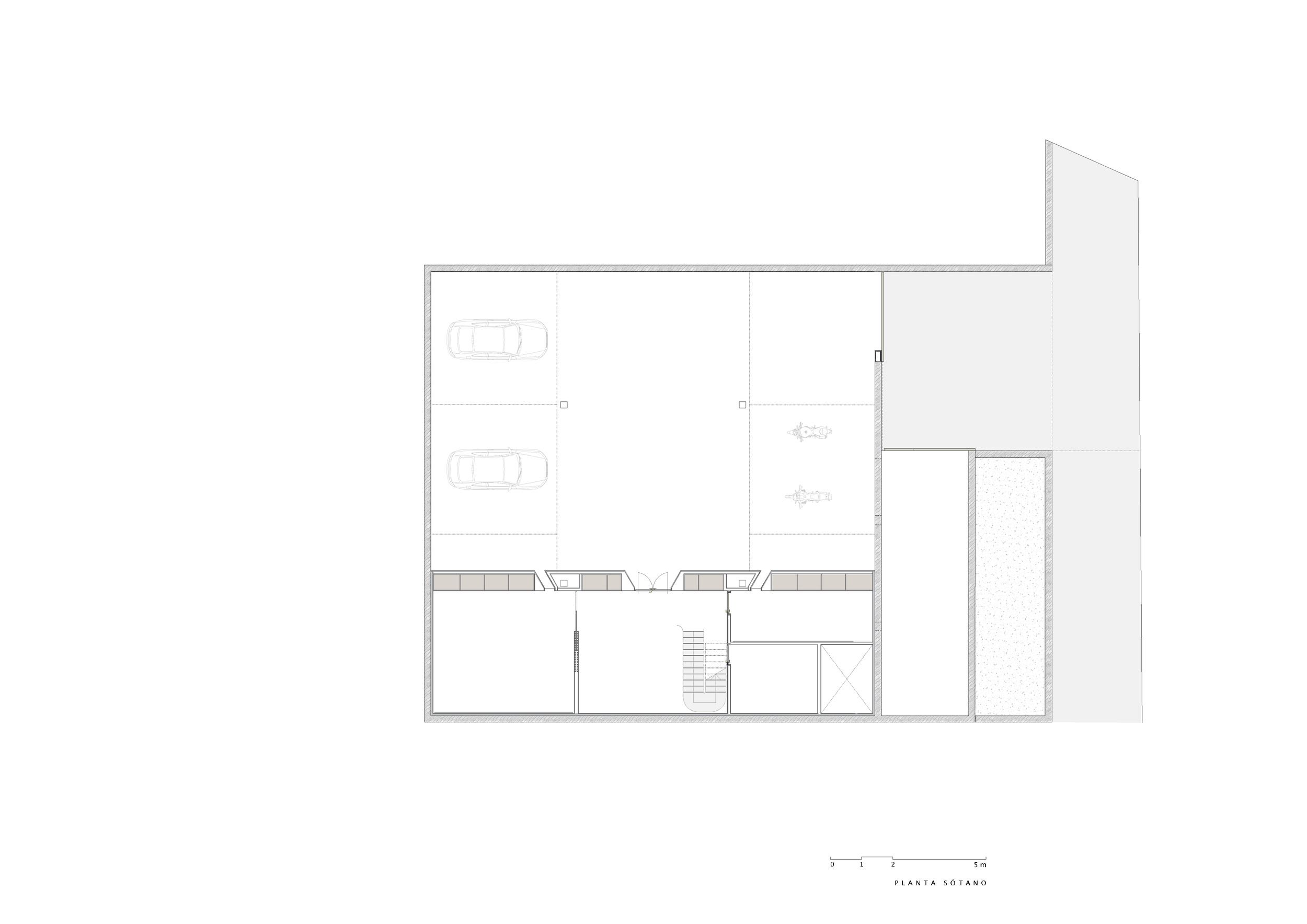
The dwelling includes a basement, accessed via a ramp discreetly camouflaged by vegetation along one side of the plot. This level, structured by four concrete pillars marking the central position of the patio, accommodates the garage and other secondary spaces. Exterior and interior closures, including the garage doors, are also made with iroko boards to maintain material coherence with the rest of the building.
The exterior landscape is fully integrated into the architectural design through a careful selection of plant species and surrounding pavements. Several areas are defined: the eastern side, more natural, with trees and larger plants; and the western side, intended for a vegetable garden, laid out with raised planters made of weathering steel (corten), which contain the various species. Finally, on the southern façade —in front of the main living room and aligned with the visual axis that crosses the patio— stands a wooden pergola, providing a pleasant shaded area in summer and extending the dwelling’s life toward the outdoors.
The interior design has been carried out in collaboration with Baufor-Estudio, based in Bilbao. Text description by the architects. Text description by the architects.
Source: www.vernearquitectura.com Architects: Víctor Larripa + Javier Martínez + Daniel Ruiz de Gordejuela Size: 400m2